

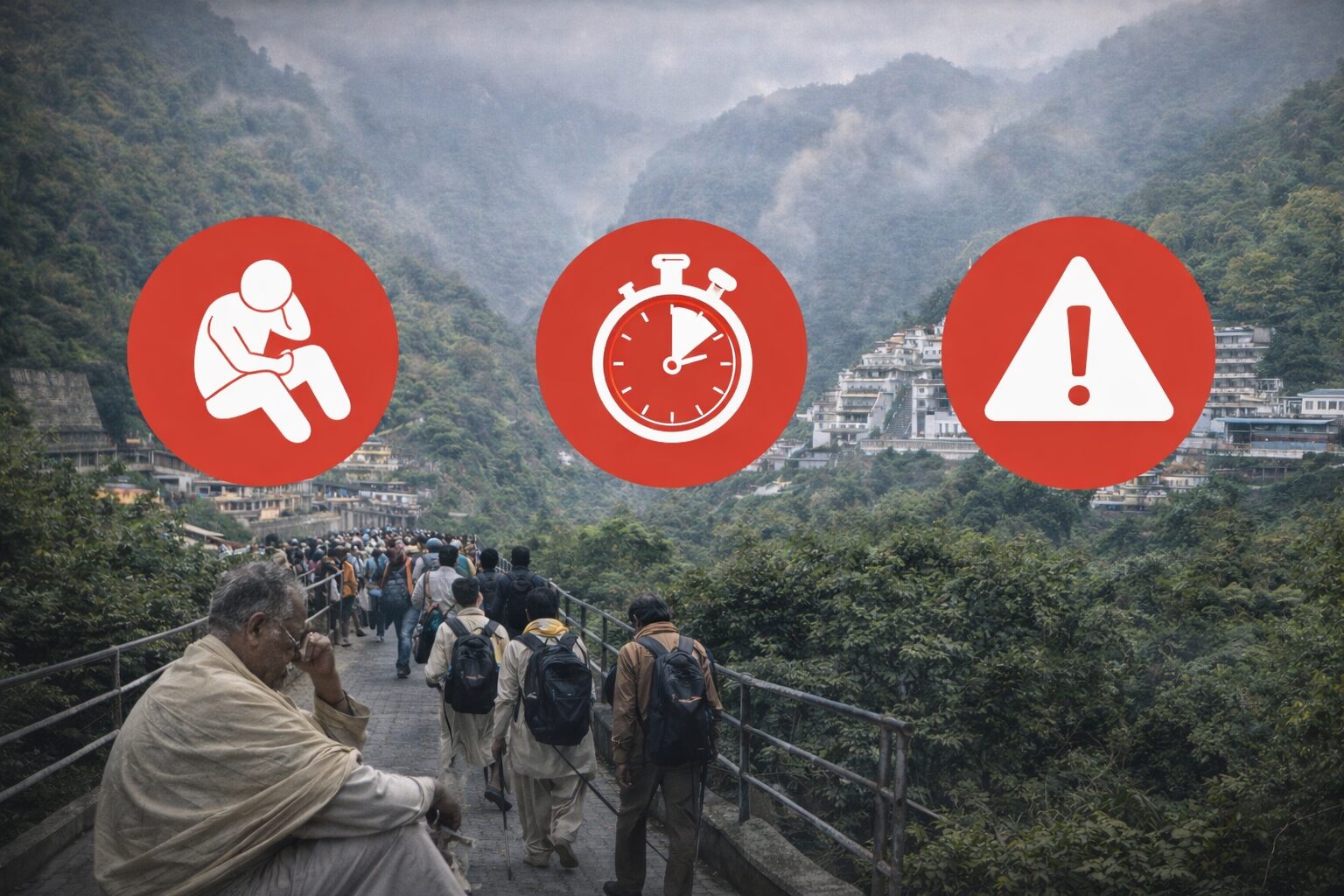

For many people, the Vaishno Devi Yatra is their first experience of a large, regulated mountain pilgrimage. Arriving in Katra, pilgrims often carry deep faith alongside assumptions shaped by hearsay, social media, or past experiences at very different shrines. Most difficulties on this yatra do not come from the route itself, but from small, avoidable misunderstandings about pace, planning, and expectations.
The yatra is carefully managed, physically demanding in a gradual way, and shared by people of all ages and abilities. When expectations do not align with reality, stress and fatigue tend to follow. These challenges are common, especially for first-time visitors, families, and senior citizens.
This article looks calmly at the most frequent mistakes pilgrims make during the Vaishno Devi Yatra—and why they happen. The goal is not to criticize, but to help future pilgrims move through the journey with fewer surprises and more steadiness.
Misunderstanding What the Yatra Actually Demands
One of the most common mistakes is assuming the Vaishno Devi Yatra is either extremely difficult or completely effortless. In reality, it sits somewhere in between. The route is paved, monitored, and well supported, but it still requires sustained walking over many hours.
Many pilgrims arrive expecting short bursts of effort followed by long rests. Instead, the yatra involves continuous movement, standing in queues, and waiting at checkpoints. This cumulative strain often surprises first-time visitors more than the incline itself.
Another misunderstanding is equating facilities with ease. Medical aid, shelters, and refreshment points exist for safety, not comfort. They support the journey but do not reduce distance or fatigue.
Understanding that the yatra is about endurance rather than difficulty helps pilgrims pace themselves realistically and avoid early exhaustion.
Starting the Yatra Without Adequate Rest or Preparation
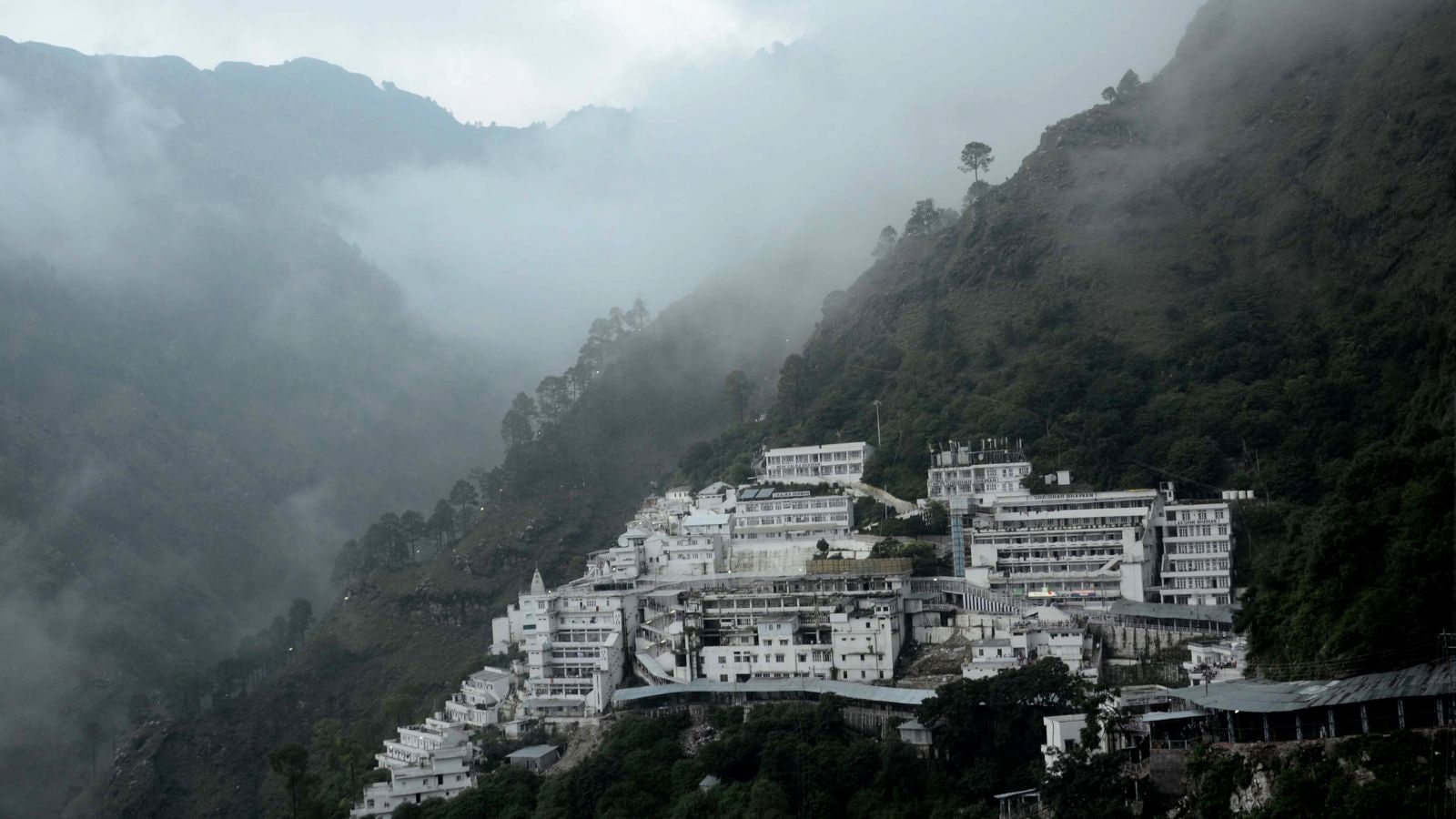
A frequent mistake is beginning the yatra immediately after a long journey to Katra. Pilgrims often arrive tired, dehydrated, or sleep-deprived and feel pressured to “start quickly” due to registration windows or perceived crowd pressure.
Starting without rest usually leads to early fatigue, slower progress later, and increased discomfort on the return journey. This is especially common among travelers arriving late at night or early morning.
Preparation here does not mean physical training alone. It means eating lightly, hydrating properly, and allowing the body a short recovery window before beginning the ascent. Even a few hours of rest can make a noticeable difference.
Pilgrims who rush the start often find themselves forced into longer, unplanned breaks later, which disrupts both physical rhythm and mental calm.
Underestimating the Role of Waiting and Queues
Many pilgrims plan their yatra based only on walking time. This leads to frustration when hours are spent waiting rather than moving. Checkpoints, RFID verification, crowd regulation, and darshan queues are all integral parts of the yatra.
Waiting is not a sign of mismanagement—it is how safety and flow are maintained on a route leading to the shrine in the Trikuta Mountains. Ignoring this reality leads to tight schedules that quickly fall apart.
A common mistake is becoming anxious or impatient during waiting periods. This drains energy and increases irritation, especially in families or groups.
Pilgrims who mentally account for waiting as part of the journey tend to remain calmer and conserve energy for walking.
Trying to Match Someone Else’s Pace or Timeline
Another frequent error is comparing progress with others. Pilgrims often push themselves to keep up with faster walkers or rush because others appear to be moving quickly.
Every body responds differently to altitude, duration, and exertion. Matching someone else’s pace often results in overexertion, knee strain, or breathlessness later in the route.
This mistake is particularly common in group travel, where individuals hesitate to ask for breaks. Over time, small discomforts compound into real physical issues.
The yatra is not a race. Pilgrims who move at a pace that suits their body almost always finish with fewer problems than those who try to meet external benchmarks.
Misjudging Night Yatra or Early Starts
Night or early-morning yatra is often seen as a shortcut to avoid crowds. While it can reduce congestion, many pilgrims underestimate the additional demands it places on alertness and stamina.
Walking at night requires steady focus, especially when tired. Those who start late without adequate rest often struggle with fatigue, disorientation, or joint pain. This is especially true for senior citizens and families with children.
Early starts can be helpful, but only if preceded by proper rest. Beginning at night after a full day of travel is one of the most common planning errors.
Night yatra works best when chosen deliberately—not as a last-minute attempt to “save time.”
Not Planning the Return Journey Properly
A major oversight is focusing entirely on reaching Vaishno Devi Bhawan and ignoring the return journey. Many pilgrims feel a sense of completion after darshan and underestimate the physical effort still required.
Downhill walking is faster but often harder on knees and joints, especially when muscles are already fatigued. Returning too quickly or without rest increases the risk of pain or injury.
Some pilgrims also plan tight departures from Katra, leaving no buffer for a slower return. This creates unnecessary stress and rushing.
A balanced plan always treats the return as part of the yatra, not an afterthought.
Overlooking How Age and Group Dynamics Affect the Journey
Families and mixed-age groups often make the mistake of planning around the strongest member. Children tire unpredictably, and senior citizens may need more frequent breaks than expected.
Ignoring these differences leads to frustration within groups and uneven pacing. In many cases, the slowest member sets the safest pace, not the fastest.
Senior citizens, in particular, may feel pressure to “keep up” and hesitate to rest. This often leads to discomfort later in the journey.
Successful group yatras usually involve honest communication and flexible timelines rather than rigid plans.
Expectation vs Reality: Where Pilgrims Often Misjudge
| Expectation | On-Ground Reality |
|---|---|
| Walking is the main challenge | Waiting and endurance matter more |
| Facilities make it easy | Facilities support safety, not speed |
| Faster is better | Steady pacing works best |
| Reaching Bhawan is the end | Return journey is equally demanding |
Recognizing these gaps early helps pilgrims adjust mindset before problems arise.
How Mistakes Differ by Traveler Type
| Traveler Type | Common Mistake |
|---|---|
| First-time pilgrims | Rushing the start |
| Families | Ignoring varied energy levels |
| Senior citizens | Avoiding rest |
| Tight itineraries | Underestimating waiting time |
Understanding where you are most likely to misjudge helps prevent it.
Practical Guidance to Avoid These Mistakes
Approach the yatra as a series of stages, not a single task. Rest before starting. Walk at your own pace. Accept waiting as part of the journey. Plan time for the return.
Avoid comparing your progress with others. Listen to your body early rather than reacting to pain later. Build buffer time into travel plans.
Most mistakes happen not due to lack of faith, but due to unrealistic assumptions. Awareness is the simplest form of preparation.
Frequently Asked Questions
Is rushing the yatra a common mistake?
Yes. Many pilgrims underestimate cumulative fatigue and waiting time.
Do facilities reduce physical effort?
They improve safety, but do not reduce distance or endurance needs.
Is it okay to take frequent breaks?
Yes. Short, regular rests usually prevent larger problems later.
Why is the return journey often harder?
Fatigue accumulates, and downhill walking strains joints.
Do senior citizens face unique challenges?
Yes. Joint strain and endurance are common concerns.
Is night yatra riskier due to mistakes?
Only when chosen without rest or preparation.
Closing Perspective
Most challenges on the Vaishno Devi Yatra come not from the mountains, but from mismatched expectations. The route is supportive, but it rewards patience, pacing, and realistic planning. Mistakes are common, especially for first-time pilgrims, and they are usually small and avoidable. When the yatra is approached calmly—respecting the body, the system, and the shared nature of the journey—it becomes steadier and more manageable. Awareness does not diminish devotion; it allows the journey to unfold with fewer disruptions and greater ease.