

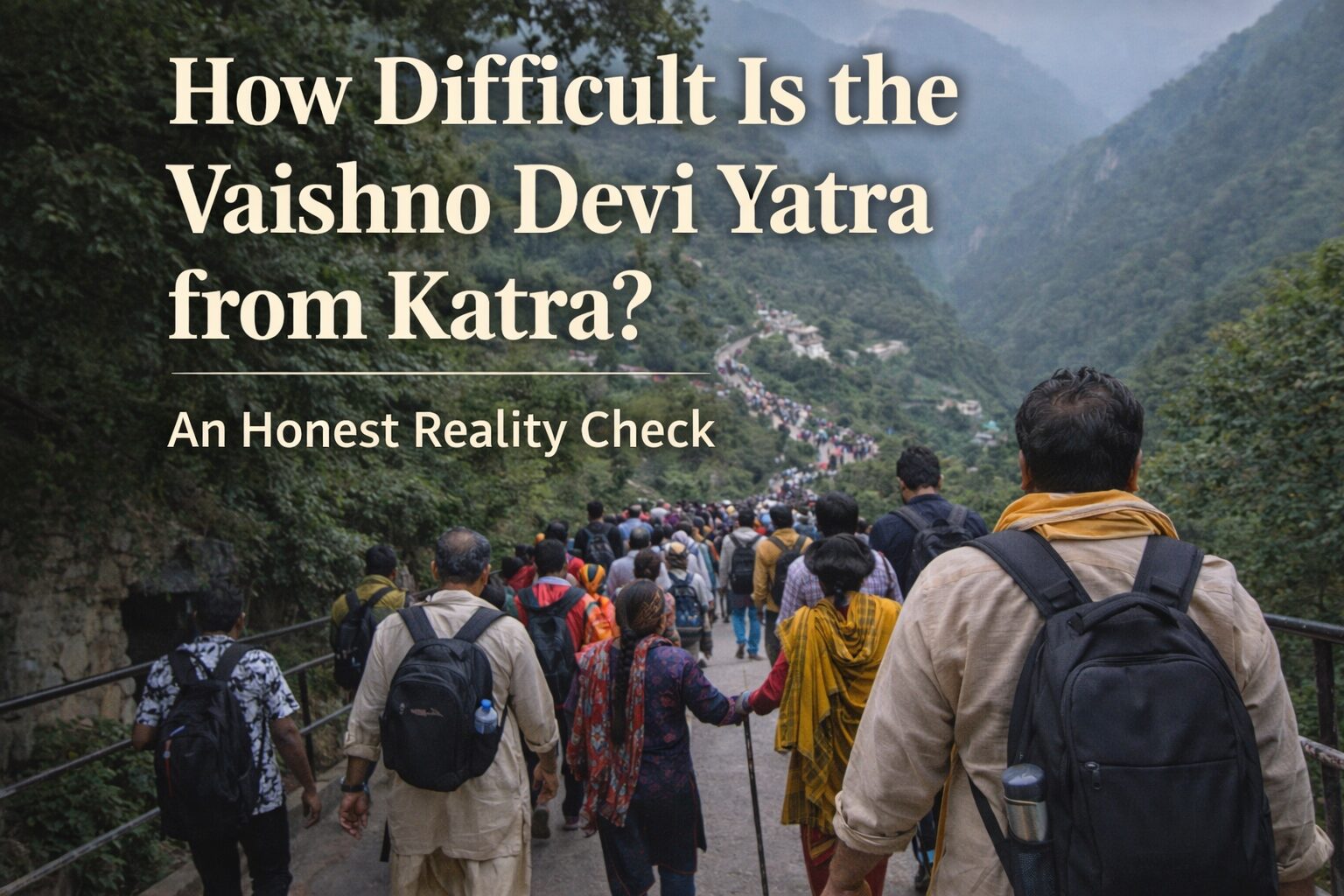

How Difficult Is the Vaishno Devi Yatra from Katra? A Realistic Assessment for First-Time Pilgrims
For many people planning their first visit to Vaishno Devi, one question quietly shapes every other decision: how difficult is the yatra, really? Some hear that it is manageable for all ages, while others are warned that it can be physically exhausting. The reality is more balanced—and understanding it early makes the journey far less stressful.
Starting from Katra, the yatra is a long, continuous uphill walk through the Trikuta Mountains. It is not dangerous or technical, but it does demand time, stamina, and patience. Facilities and support systems help, yet they do not remove the physical effort involved.
This article offers an honest, ground-level explanation of yatra difficulty. It focuses on what pilgrims actually experience, how difficulty varies by age and travel style, and how to judge whether the journey will feel manageable for you—without exaggeration or false reassurance.
What “Difficulty” Means on the Vaishno Devi Yatra
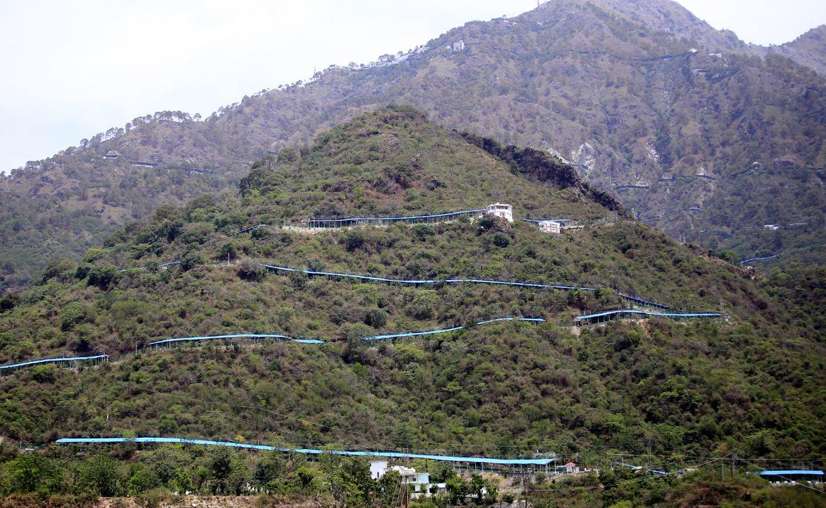
Difficulty on this yatra is often misunderstood. It is not about steep climbs, narrow ledges, or trekking skills. The route is paved, wide in most sections, and clearly marked. From a technical standpoint, it is straightforward.
Where the challenge comes in is endurance. Pilgrims walk for several hours, often without realizing how slowly fatigue builds. The incline is gradual, but constant. Even those who are reasonably fit may find that their legs feel heavier after a few hours than expected.
Another overlooked aspect is cumulative strain. Walking, standing in queues, waiting at checkpoints, and then walking again all add up. The body rarely gets full recovery until the journey is over. This is why people sometimes feel the yatra is “harder than it looks,” even though nothing about the path itself appears extreme.
How the Yatra Typically Feels for First-Time Visitors
Most first-time pilgrims begin the walk with confidence. The initial stretch out of Katra is lively and energetic, with plenty of fellow pilgrims moving at similar speeds. During this phase, the yatra often feels easier than anticipated.
As the journey progresses, especially beyond Banganga and toward Ardhkuwari, tiredness becomes more noticeable. Breathing may feel heavier, legs start to ache, and breaks feel necessary rather than optional. This transition surprises many people who assumed frequent facilities would offset physical strain.
Emotionally, this is also the point where people reassess their pace. Those who slow down, rest when needed, and resume calmly tend to cope better. Those who push forward out of impatience often experience sharper fatigue later.
It’s also important to note that the return journey brings a different challenge. While downhill walking is easier on breathing, it can be harder on knees and joints, especially for older pilgrims.
Factors That Increase or Reduce Perceived Difficulty
Not everyone experiences the same level of difficulty. Certain factors consistently make the yatra feel easier or harder.
| Factor | Effect on Difficulty | Why It Matters |
|---|---|---|
| Walking duration | High | Long hours on foot cause fatigue |
| Personal fitness | High | Endurance matters more than strength |
| Crowd levels | Moderate | Slows pace and increases waiting |
| Weather conditions | Moderate | Heat, cold, or rain add strain |
| Path condition | Low | Route is well maintained |
The most important factor is not speed, but consistency. Walking slowly but steadily usually feels easier than moving fast and stopping frequently due to exhaustion.
How Difficult the Yatra Is for Different Types of Travelers
The yatra does not feel the same for everyone. Age, health, and group composition change the experience significantly.
| Traveler Type | Likely Difficulty Level | Common Challenge |
|---|---|---|
| Solo pilgrims | Moderate | Managing pace alone |
| Families | Moderate to high | Different energy levels |
| Senior citizens | High (without assistance) | Joint pain, stamina |
| Regular walkers | Low to moderate | Time commitment |
Families often underestimate how quickly children or elderly members may tire. Senior citizens frequently complete the yatra, but rarely without planning rest, assistance, or a slower timeline. Physically active travelers usually find the yatra tiring but manageable.
Understanding where you fit in this spectrum helps set realistic expectations.
How Season and Timing Change the Difficulty
Seasonal conditions significantly affect how demanding the yatra feels, even though the route itself remains the same.
| Season | Physical Strain | Overall Experience |
|---|---|---|
| Summer | High (heat, dehydration) | Crowded, tiring |
| Monsoon | Moderate | Slippery, cautious |
| Winter | Moderate | Cold, slower movement |
| Spring/Autumn | Lower | More balanced |
Time of day matters as well. Early-morning or night yatras reduce heat and crowds but require alertness in cooler temperatures. Daytime walking offers visibility but often involves congestion.
Choosing timing thoughtfully doesn’t remove difficulty, but it can prevent unnecessary strain.
Common Misunderstandings About Yatra Difficulty
One common belief is that facilities make the yatra easy for everyone. While rest areas and medical support help, they do not shorten the distance or remove physical effort.
Another misconception is that if elderly pilgrims complete the yatra, it must be easy. Many seniors finish the journey successfully, but usually with assistance, patience, and careful pacing.
Some people assume that determination alone is enough. Motivation helps, but ignoring fatigue or pain often makes the experience harder rather than more meaningful.
Recognizing these realities early prevents disappointment and self-doubt mid-journey.
How to Honestly Judge If the Yatra Will Be Manageable for You
Rather than asking whether the yatra is “too hard,” it helps to ask practical questions. Can you walk continuously for several hours at a slow pace? Do stairs cause knee pain? Are you comfortable resting frequently without feeling pressured?
Preparation matters more than confidence. Being well-rested, hydrated, and willing to slow down has a greater impact than physical strength alone. Accepting assistance when needed is a practical choice, not a failure.
The goal is not to prove endurance, but to complete the journey steadily and safely.
Frequently Asked Questions
Is the Vaishno Devi Yatra very difficult?
It is physically demanding but not technically difficult. Endurance matters more than strength.
Can senior citizens complete the yatra?
Yes, many do, often with assistance and slower pacing.
Is the downhill return easier?
Breathing is easier, but knees and joints often feel more strain.
Does fitness level really matter?
Yes. Regular walkers usually cope better than sedentary travelers.
Is the yatra suitable for children?
It can be, but children may tire unpredictably and need frequent breaks.
Does crowding increase difficulty?
Yes. Heavy crowds slow movement and increase overall fatigue.
Closing Perspective
The Vaishno Devi Yatra is demanding in a quiet, cumulative way rather than an extreme one. Its difficulty comes from time on foot, steady incline, and the patience required to move at your body’s pace. For most pilgrims, it is achievable with honest self-assessment and thoughtful planning. When expectations are realistic, the journey feels less intimidating and more grounded—allowing focus to shift from physical strain to the meaning of the experience itself.