

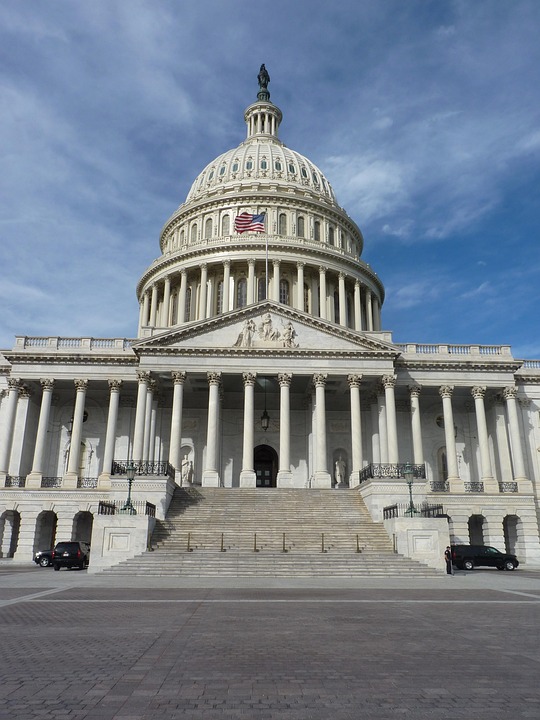

Short answer: Toronto and Washington, DC are closer than you think. The straight-line distance is about 350 miles (565 km). Driving is roughly 8–10 hours for 470–520 miles (755–835 km), while nonstop flights take around 1.5 hours in the air. Here’s how to choose the best way to go—and what it’ll cost. ✨
Key Takeaways for Travelers
- Direct distance: ~350 miles (565 km) 📏
- Driving: 470–520 miles; 8–10 hours plus border time 🚗
- Flying: 1h 25m–1h 45m in the air; 3–5 hours door-to-door ✈️
- Bus: 11–14 hours; budget-friendly 🚌
- Train: 14–18 hours with transfers; most scenic 🚆
- Border: Bring a valid passport; allow extra time at crossing 🛂
Quick Facts Box
- Countries: Canada to United States
- Currencies: CAD in Toronto; USD in Washington, DC
- Languages: English widely used; French also common in Canada
- Best Seasons: Late spring and early fall for comfortable weather
- Time Difference: Same time zone (Eastern Time) for most travelers
How far is it, really?
The straight-line (as-the-crow-flies) distance between downtown Toronto and downtown Washington, DC is approximately 350 miles / 565 km. Because roads curve and detour around the Great Lakes, the driving distance comes to roughly 470–520 miles / 755–835 km, depending on the route. In normal conditions, that means 8–10 hours behind the wheel, not counting the border wait.
Getting There: Best Routes and Options
By Air ✈️
Fastest overall. Nonstop flights typically spend 1h 25m–1h 45m in the air. With airport time on each end, plan on 3–5 hours door-to-door.
- Departure airports: Toronto Pearson (YYZ) is the main hub; Billy Bishop (YTZ) offers select connections via US hubs.
- Arrival airports: Reagan National (DCA) is closest to downtown; Dulles (IAD) and Baltimore/Washington (BWI) are broader-network options.
- Tips: Book morning departures to reduce weather delays; sit on the left side for lake views leaving Toronto on clear days. 🌅
By Car 🚗
Most flexible. Expect 8–10 hours of driving for roughly 470–520 miles. Two popular routes:
- Via Niagara/Buffalo: Highway 401 → Queen Elizabeth Way → border at Queenston–Lewiston or Peace Bridge → I‑90 → connect south via I‑79/I‑99 or I‑390/I‑86 to I‑70 → Washington, DC.
- Via Thousand Islands: Highway 401 → 1000 Islands Bridge → I‑81 south through New York and Pennsylvania → I‑270 → DC. Slightly longer but often steadier traffic.
Border tip: Check wait times before you commit to a crossing and keep snacks, water, and your documents handy. A quick stop at Niagara Falls makes the trip feel like a mini-break. 🌊
By Bus 🚌
Budget-friendly, simple. Typical schedules run 11–14 hours with 1–2 stops (often in Buffalo or Philadelphia/Baltimore). Bring a neck pillow, download podcasts, and choose a seat near the middle for a smoother ride. 🎧
By Train 🚆
Scenic but slow. Rail itineraries usually combine VIA Rail and Amtrak—often via Niagara Falls or New York City—taking 14–18 hours. You’ll trade speed for comfort and views: river valleys, farmland, and small towns roll by like a movie. 🍿
Cost Breakdown (Typical Ranges)
| Mode | One-Way Cost (Typical) | Notes |
|---|---|---|
| Flight (economy) | USD 120–300 | Cheapest 4–8 weeks out; carry-on only saves more. |
| Driving (fuel + tolls) | USD 60–120 | Assumes 30–40 mpg; fuel prices vary; parking extra. |
| Bus | USD 50–120 | Watch for overnight schedules to save time and a hotel night. |
| Train | USD 120–220 | Comfortable; select fares with fewer transfers if possible. |
| Parking in DC | USD 25–50/day | Many hotels charge; street parking is limited. |
Note: Prices fluctuate by date, demand, and exchange rates. For a family of four, driving often wins on total cost; solo travelers usually prefer flying or the bus.
Best Time to Travel Between the Cities
- April–June: Mild weather and cherry blossoms in DC 🌸; spring rains possible in Toronto—pack a light jacket.
- September–October: Comfortable temps and fall colors along the route 🍁; great for road trips.
- July–August: Hot and humid in DC; air-conditioning and early sightseeing help.
- December–February: Icy conditions are possible on I‑81/I‑79; if driving, allow extra time and carry winter gear.
Border & Documents Essentials
- Passport: Everyone crossing the border by air needs a valid passport. For land or sea, acceptable Western Hemisphere travel documents may apply.
- Visas/authorizations: Requirements vary by nationality and travel mode. Confirm what you need before you go.
- NEXUS/Global Entry: Can speed up processing at certain crossings and airports.
- Car rental: If renting, make sure your agreement allows cross-border travel and you carry proof of insurance.
Pro tip: Save a photo of your documents and confirmations offline in case you lose signal at the border. 📱
Sample 3-Day Road-Trip Plan
- Day 1: Toronto → Niagara Falls (breakfast with a view) → Corning or Elmira, NY (glass museum or small-town dinner). Overnight.
- Day 2: Corning → Williamsport or Gettysburg (history stop) → Washington, DC by evening. Stroll the National Mall at sunset. ✨
- Day 3: Smithsonian museums, Capitol area, and a neighborhood walk in Georgetown or Capitol Hill. Coffee, monuments, repeat. ☕
Top Things to Do After You Arrive in DC
- Walk the Lincoln Memorial → Reflecting Pool → Washington Monument loop at golden hour.
- Choose 1–2 Smithsonian museums (they’re big!). The Air & Space or American History museums are crowd-pleasers.
- Explore Georgetown for waterfront views and cobblestone charm.
- Foodie detour: Union Market for global bites in one spot. 😋
Common Mistakes to Avoid
- Underestimating border time: A smooth day can become a long day—build in a buffer.
- Driving through rush hour: Aim to pass Baltimore and DC outside 7–10 a.m. and 3–7 p.m.
- Parking stress: If staying in central DC, park once and use the Metro or rideshares.
- Overpacking your itinerary: The Mall looks compact on a map—your feet will disagree. Wear comfy shoes! 👟
Nearby Destinations & Alternatives
- Baltimore, MD: 1 hour from DC; Inner Harbor and great seafood.
- Philadelphia, PA: About 2.5 hours from DC; history and hoagies.
- Finger Lakes, NY: Scenic wine country along the driving route.
- Shenandoah National Park, VA: Skyline Drive views if you’ve got an extra day. 🌄
FAQs
How many miles is the distance from Toronto to Washington, DC by road?
Most drivers cover 470–520 miles depending on the chosen route and border crossing.
What is the fastest way to travel from Toronto to Washington, DC?
Flying is fastest overall: about 1.5 hours in the air and typically 3–5 hours door-to-door.
How long does it take to drive from Toronto to Washington, DC?
Plan on 8–10 hours of driving time in normal conditions, plus any border wait and rest stops.
Is there a direct train from Toronto to Washington, DC?
Not usually. Most rail trips involve transfers (often via Niagara Falls or New York City) and take 14–18 hours.
What’s the cheapest way to go from Toronto to Washington, DC?
Buses are often the lowest-cost option (about USD 50–120 one-way). Early-bird flight deals can sometimes beat that.
Which border crossing is best when driving from Toronto to Washington, DC?
The Niagara/Buffalo crossings are common and convenient; the Thousand Islands route via I‑81 can be steadier in traffic. Choose based on live wait times and weather.
Do I need a passport to travel from Toronto to Washington, DC?
Yes for air travel; for land/sea, acceptable Western Hemisphere travel documents apply. Requirements vary by nationality—check what applies to you before departure.
When is the best time of year to travel between Toronto and Washington, DC?
Late spring and early fall offer the most comfortable weather and lighter crowds; winter can be icy for drivers.
Conclusion
The two capitals are separated by roughly 350 miles as the crow flies—close enough for a quick getaway or a fun road trip. Choose the mode that fits your time and budget, keep documents handy for the border, and build in a little buffer. With smart planning, you’ll be strolling the monuments by sunset. Safe travels! 🌟