

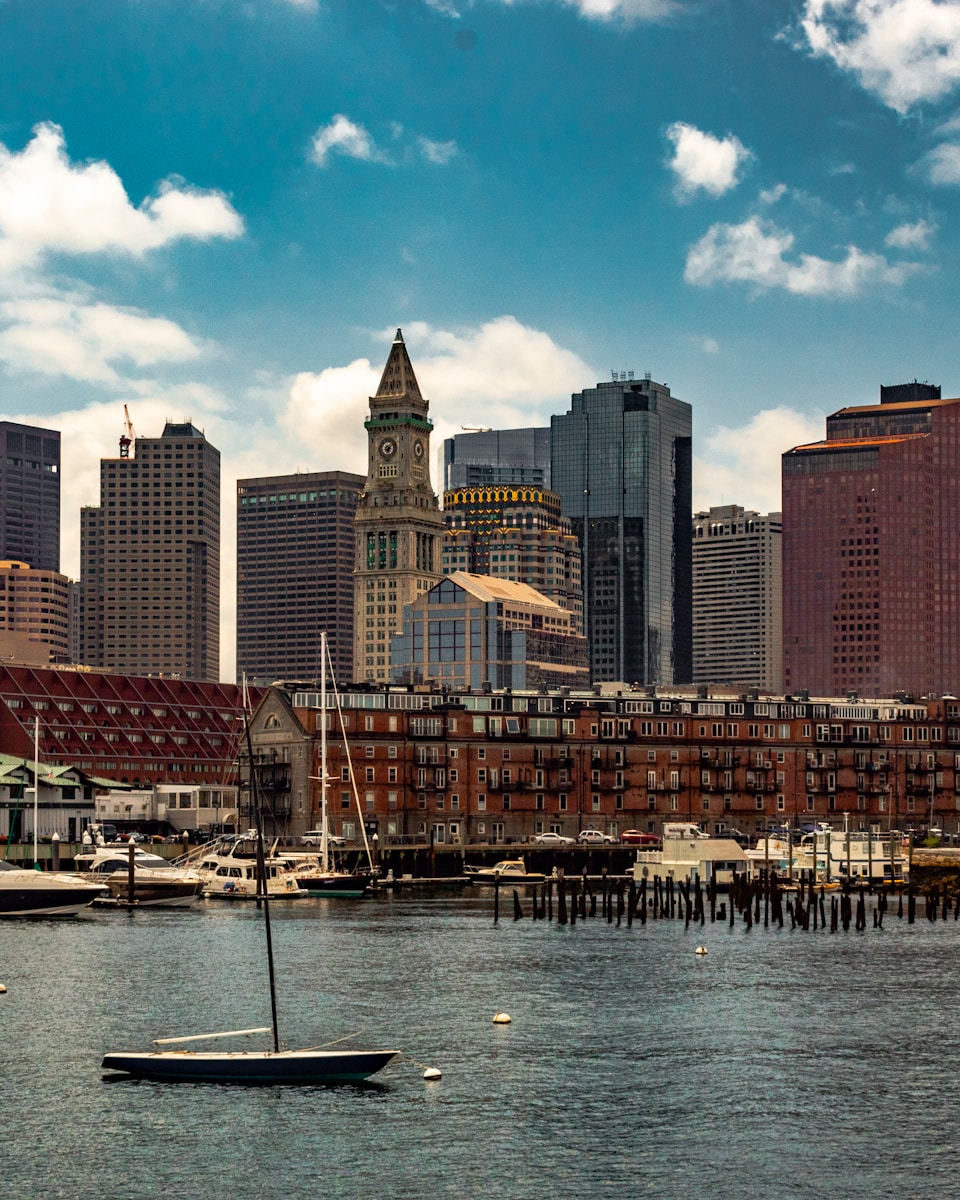

Planning a hop between Boston and New York City? Here’s the quick answer: expect roughly 215–220 miles (346–354 km) by road, around 3.5–5 hours depending on your mode and traffic, and about 190 miles (305 km) in a straight line by air. Below is a friendly, practical guide to choose your best route. 🚗🚆🚌✈️
Key Takeaways for Travelers
- By car: About 215–220 miles; 4–5.5 hours depending on traffic.
- By train: ~3h30–4h30 between South Station and Penn Station; comfortable and city-center to city-center.
- By bus: 4–5.5 hours; usually the cheapest option.
- By plane: ~1-hour flight time, but 3–4 hours door to door after airport transfers and security.
- Travel smart: Leave early, avoid Friday evenings and holiday weekends, and build in buffer time for delays.
Distance and Time at a Glance
| Mode | Distance | Typical Time | Good For |
|---|---|---|---|
| Car | 215–220 miles (346–354 km) | 4–5.5 hours | Flexibility, detours, luggage |
| Train | ≈230 rail miles (≈370 km) | 3h30–4h30 | Comfort, work onboard, city-center arrival |
| Bus | Same as road | 4–5.5 hours | Budget travelers |
| Plane | ≈190 miles (305 km) flight distance | 3–4 hours door to door | Points/miles, connections |
Driving: Routes, Tolls, and Timing
The road trip runs roughly 215–220 miles via major corridors like I‑90/I‑84 or I‑95. Without traffic it can be under 4 hours, but real life in New England says plan for 4.5–5 hours—especially near New Haven and entering NYC.
- Best windows: Early morning departures (before 7 a.m.) or late evenings outside Friday and Sunday rushes.
- Tolls: Expect around $10–$30 one way, depending on your route and bridge choice. E‑ZPass helps. 💳
- Parking: Manhattan garages are pricey; consider parking in Queens, Brooklyn, or at a suburban rail hub and train in.
- Fuel math: At ~30 mpg, 220 miles uses ~7–8 gallons. Multiply by the current per‑gallon price for a quick estimate.
- Scenic detours: The coastal I‑95 route can be slower but pairs well with stops in Mystic or New Haven. The inland I‑84 is often smoother.
Train: The Stress‑Free City‑Center Option
Trains connect Boston’s South Station (also some departures from Back Bay) to New York Penn Station in Midtown. The fastest services take around 3h30, while standard services run closer to 4–4h30.
- Why choose it: Spacious seats, power outlets, Wi‑Fi, and zero parking stress. Bring snacks and enjoy the coastal views. 🌊
- Seat strategy: Aisle for laptop space, window for scenery. Quiet cars are great if you plan to work.
- Arrival perks: You land right in Midtown—subways and cabs are steps away.
Bus: Best Value for Your Wallet
Buses are the budget winner and can be nearly as fast as driving on a good day. Expect 4–5.5 hours with typical traffic.
- Pro tip: Choose earlier departures for fewer delays and a better shot at a window seat. 😴
- Comfort check: Most coaches offer Wi‑Fi, outlets, and a restroom; bring a light sweater—the AC can be ambitious.
- Arrival points: Drop‑offs vary around Midtown or the West Side; be ready for a short walk or subway hop.
Flying: Fast in the Air, Not Always on the Clock
The air distance is roughly 190 miles, with a flight time near an hour. Add transit to/from airports plus security, and total time usually reaches 3–4 hours.
- Airports: From Boston Logan to NYC’s JFK, LaGuardia, or Newark.
- When it shines: If you’re connecting onward or redeeming miles, flying makes sense. ✈️
- Consider the door‑to‑door reality: For most city‑center trips, the train is usually smoother.
Cost Breakdown (Typical One‑Way)
| Mode | Budget Range | Notes |
|---|---|---|
| Bus | $20–$60 | Best deals on off‑peak days and early bookings. |
| Train (standard) | $40–$120 | Prices vary by time of day and advance purchase. |
| Train (premium/express) | $100–$250 | Fewer stops and more comfort at a higher fare. |
| Flight (economy) | $80–$250 | Check baggage fees; total travel time can rival the train. |
| Car (gas + tolls) | $35–$70 | Fuel estimate plus typical tolls; exclude parking. |
Prices fluctuate by season, demand, and how early you book. Use these as friendly guidelines, not guarantees.
Best Time to Travel
- Weekdays midday: Often the smoothest road and rail experience.
- Avoid: Friday afternoons, Sunday evenings, and holiday weekends—traffic and crowds spike. 🚦
- Winter: Snow and ice can slow highways; trains handle weather better but can still face delays.
- Summer: Beach traffic along I‑95 adds time; leave early.
- Fall: Gorgeous foliage on inland routes—also popular, so start early.
Suggested Itineraries
Speedy Day Trip
- Outbound: Early train to arrive by late morning in Midtown.
- Plan: Lunch near Bryant Park, museum or neighborhood stroll, early dinner, then an evening train back.
Weekend Sampler
- Downbound Friday night or early Saturday: Check into a midtown or downtown hotel.
- Saturday: One marquee museum, one neighborhood walk, one skyline view. Keep it focused—NYC rewards depth over speed.
- Return Sunday morning: Beat crowds and traffic.
Nice Stops Between the Cities
- Providence, RI: Creative food scene and scenic waterfront. 🍝
- Mystic, CT: Maritime charm, seaport vibes, and a classic slice of New England.
- New Haven, CT: Pizza pilgrimage and leafy campus architecture. 🍕
- Stamford, CT: A convenient break before the NYC push.
Common Mistakes to Avoid
- Underestimating traffic: Always give yourself an extra 30–60 minutes.
- Ignoring station locations: Trains land in Midtown; buses may not—check the exact drop‑off.
- Parking last‑minute: Manhattan garages fill up or surge; consider park‑and‑ride.
- Peak‑hour departures: Paying more for a slower ride is a double whammy—shift your schedule if you can.
- Overpacking: Keep bags manageable for subways, stairs, and station transfers.
Safety Tips & Local Etiquette
- On trains/buses: Keep valuables close and labeled; use the overhead rack with your essentials in hand.
- Driving: Stay patient near interchanges and bridges; signal early and don’t block the box. 😅
- City smarts: Late‑night arrivals are fine—stick to well‑lit areas and official taxis or rideshares.
FAQs
What’s the fastest way between the two cities?
The train is typically the fastest city‑center to city‑center, with premium services around 3.5 hours. Flying can’t beat it door to door unless you live very close to the airports and security is unusually quick.
Is driving practical for a same‑day round trip?
It’s possible but tiring. If you must do it, leave before sunrise, plan one scenic or food stop, and return after the evening peak. Trains are a more relaxed day‑trip choice.
What’s the cheapest option?
Buses usually win on price, especially if you book early or travel off‑peak. Standard rail fares can be competitive when purchased in advance.
How much time should I budget for flying?
Expect about 3–4 hours door to door: transit to the airport, security, boarding, the ~1‑hour flight, and then airport‑to‑city transfer on arrival.
Which Boston and NYC stations do trains use?
Most departures leave Boston South Station (some also serve Back Bay) and arrive at New York Penn Station in Midtown—super convenient for subways and connections.
Is Wi‑Fi available on trains and buses?
Yes, most intercity trains and many buses offer Wi‑Fi and power outlets. Speeds vary; download large files beforehand if you need them.
Are there tolls if I drive?
Yes. Depending on route and bridge choice, budget roughly $10–$30 one way. E‑ZPass can save money and time at toll points.
Can I make scenic stops along the way?
Absolutely. Try Mystic for maritime history, New Haven for pizza, or Providence for a quick waterfront stroll.
Conclusion
Whether you’re chasing skyline thrills or New England charm, the distance between these two cities is short enough for a day trip and rich enough for a weekend. Pick the mode that fits your style—speedy train, value bus, flexible car, or a quick flight—and enjoy the ride. Safe travels! 🌆🧳