

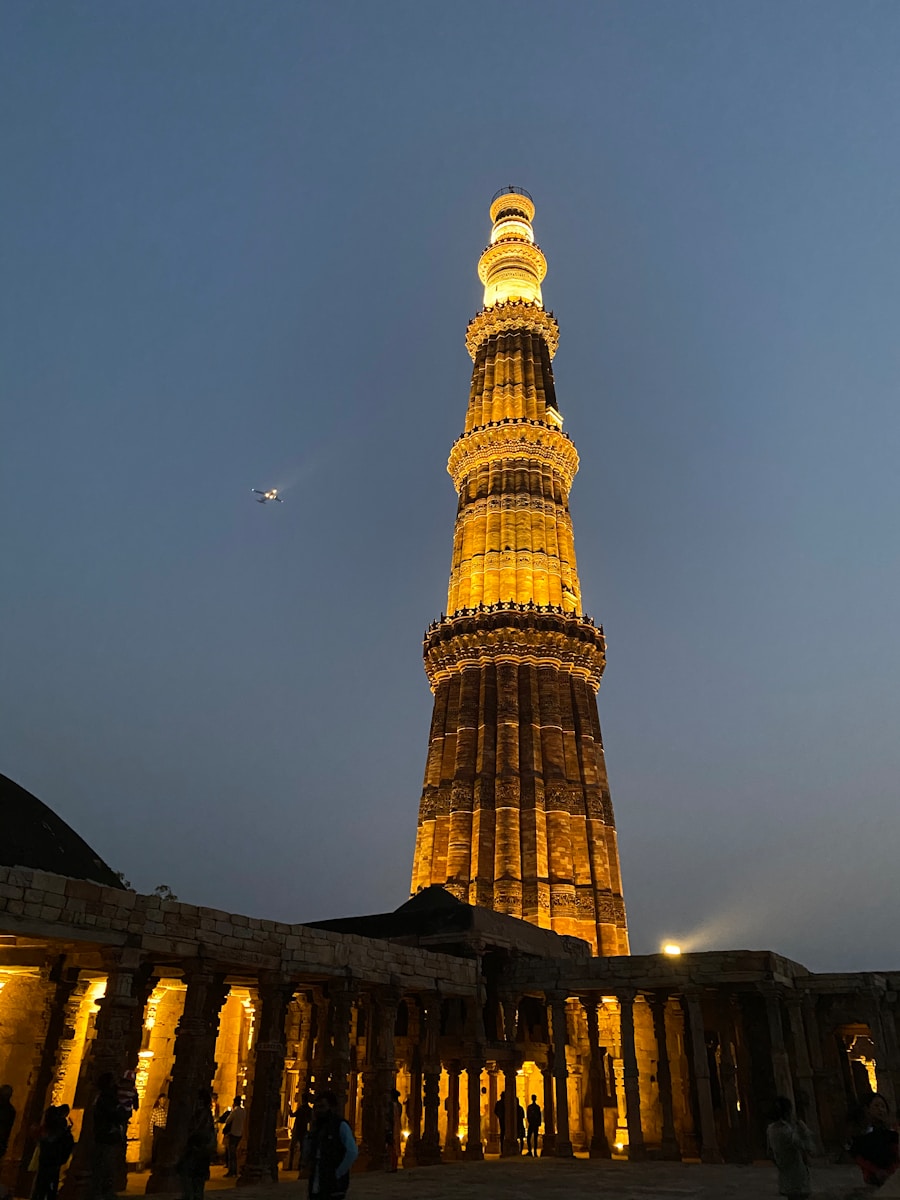

Delhi, often known as the heart of India, is a bustling metropolis that combines the rich history and modern dynamics of the nation. But is Delhi a state? This question frequently arises among travelers planning their next adventure. Let’s dive in to clarify this topic and equip you for your visit.
Is Delhi a State?
Delhi is not a state but a Union Territory of India. Officially known as the National Capital Territory (NCT) of Delhi, it operates with a unique administrative framework. While Delhi has its own legislature and Chief Minister, certain powers remain with the central government. This distinct status makes it influential yet complicated in terms of governance.
Understanding the Administrative Structure
The NCT of Delhi includes the city of Delhi and its surrounding areas. It was established in 1991 and has since grown into one of the most significant urban centers in India. The local government manages various civic issues, while major matters like police and land are overseen by the central government.
Key Takeaways for Travelers
- Delhi is a Union Territory, not a state.
- It has a rich historical and cultural heritage.
- Convenient transportation options make it easy to explore.
- Expect a blend of ancient and modern experiences.
Practical Tips for Travelers
Here are some actionable tips to enhance your trip to Delhi:
- Public Transport: Use the Delhi Metro for quick and safe travel across the city. It’s affordable and covers major attractions.
- Cultural Etiquette: Dress modestly and be respectful of local customs, especially when visiting religious sites.
- Stay Hydrated: Delhi’s climate can be quite extreme; carry water and stay hydrated.
- Timing Your Visit: The best time to explore Delhi is during the cooler months, from October to March.
- Local Cuisine: Don’t miss trying street food but choose busy stalls to ensure freshness and safety.
Common Mistakes to Avoid
Travelers often overlook essential aspects while visiting Delhi. Here are some common mistakes to avoid:
- Ignoring the traffic situation—plan your travel times accordingly to avoid delays.
- Underestimating the distance between attractions—use maps to check proximity.
- Neglecting to carry cash—while digital payments are growing, not all vendors accept cards.
- Visiting during peak summer without considering the heat—plan outdoor activities for early mornings or evenings.
- Missing out on cultural experiences by sticking to tourist areas—explore local markets and neighborhoods for a richer experience.
Conclusion
Delhi, as a Union Territory, is a vibrant testimony to India’s diverse cultural landscape. Understanding its administrative status can enrich your travel experience and help you navigate this beautiful city effectively. Whether wandering through historical sites or enjoying the bustling markets, Delhi promises a plethora of adventures for every traveler.