
Katra Vaishno Devi Travel Guide: Yatra, Stay & Best Time to Visit
Katra is a small town in the Jammu region of India, but for millions of people every year, it represents something far larger than its size. It is the official base town for the Vaishno Devi pilgrimage and the point from which one of the most important spiritual journeys in the country begins. Unlike conventional tourist destinations, Katra does not exist to entertain or impress. Its purpose is functional, spiritual, and deeply tied to the rhythm of the yatra.
For first-time visitors especially, planning a Vaishno Devi visit can feel overwhelming. Questions about registration, routes, physical difficulty, weather, crowd levels, and accommodation often surface all at once. Many people arrive with partial information, unrealistic timelines, or unnecessary anxiety. In reality, the journey becomes far more manageable when its structure is clearly understood.
This guide is designed as a single reference hub. It explains how the Vaishno Devi visit works as a complete experience—how Katra fits into it, what decisions actually matter, what varies by season and traveler type, and where deeper information is available if needed. It does not replace detailed guides, but it gives you the clarity needed to plan calmly and confidently.
Where Katra Vaishno Devi Is and Why It Matters
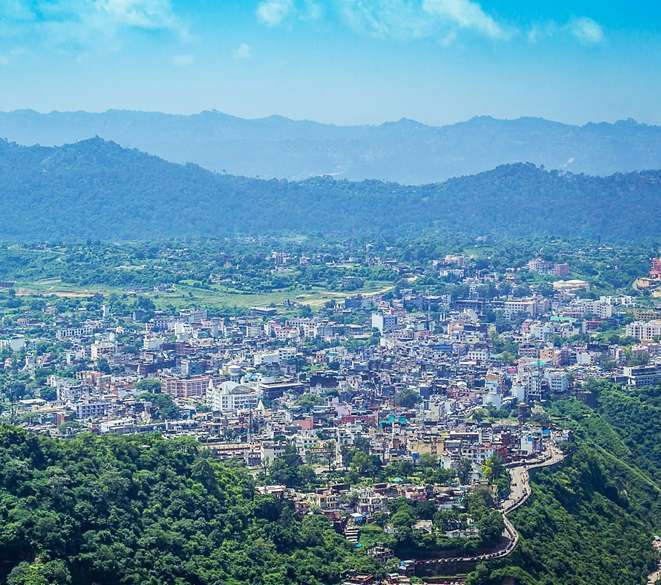
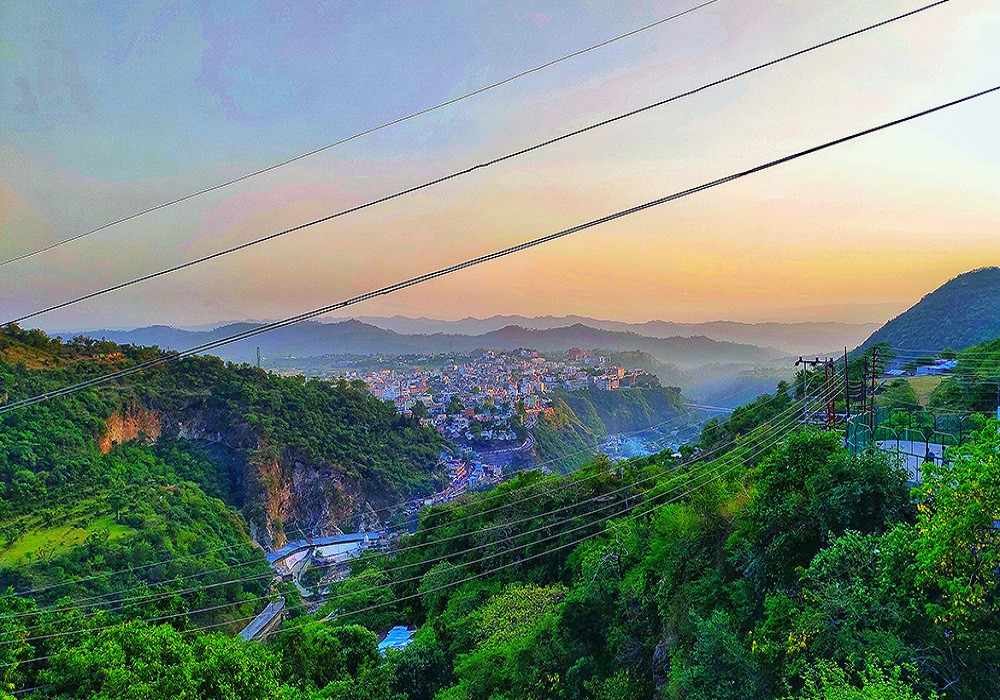
Katra is located in the Reasi district of Jammu and Kashmir, at the foothills of the Trikuta mountain range. It is the final motorable town before the Vaishno Devi shrine and serves as the mandatory starting and ending point for the pilgrimage. No matter where you travel from or how you approach the yatra, your journey will pass through Katra.
The town’s importance lies in its role rather than its attractions. Katra is where pilgrims register, rest, prepare, and recover. Transport hubs, accommodation zones, food services, and administrative facilities are all structured around supporting yatra movement. This makes Katra less of a destination to explore and more of a system to understand.
Many planning mistakes occur when visitors treat Katra like a regular hill town or tourist stop. In reality, decisions such as where to stay, when to arrive, and how long to remain should be made with the yatra timeline in mind. When Katra is understood as a functional base rather than a sightseeing location, planning becomes far simpler and more logical.
Understanding the Katra Vaishno Devi Yatra
The Katra Vaishno Devi yatra is a walking pilgrimage that begins near Katra and leads through the Trikuta hills to the shrine. For many devotees, it is a journey of faith, endurance, and reflection. For others, it is a long-held personal or family aspiration. Regardless of motivation, the experience has a physical structure that shapes how it unfolds.
The yatra involves a continuous uphill walk interspersed with flatter stretches, regulated entry points, and managed crowd movement. While the route is well-developed and supported, it still requires stamina, patience, and awareness of one’s own limits. The experience can feel meditative and energizing under comfortable conditions, or tiring and stressful when rushed or poorly timed.
What makes the yatra unique is the way physical effort and emotional purpose intersect. Many pilgrims underestimate the physical side, assuming that devotion alone will carry them through. Others focus so much on logistics that they lose sight of the experience itself. A balanced understanding helps avoid both extremes.
Katra Vaishno Devi Yatra at a Glance
| Aspect | What to Know |
|---|---|
| Base Town | Katra |
| Nature of Journey | Walking pilgrimage |
| Physical Demand | Moderate to high (varies by pace & season) |
| Suitable For | Most age groups with planning |
| Planning Required | Yes (registration, timing, stay) |
This overview helps frame expectations before diving into detailed planning.
Registration, Entry, and Access Rules
Registration is a mandatory part of the Vaishno Devi yatra and one of the most important planning elements to understand. It exists primarily for crowd control, safety, and movement regulation, especially during peak seasons when demand far exceeds the route’s comfortable capacity.
Registration determines whether and when you are allowed to begin the yatra. Entry slots are limited, and availability can fluctuate based on season, festivals, and overall footfall. Many first-time visitors underestimate the importance of this step, assuming it can be managed easily upon arrival. This assumption often leads to delays, rescheduling, or unnecessary stress.
Rather than viewing registration as a procedural hurdle, it is better understood as the foundation of your entire trip plan. Your travel dates, accommodation booking, and return schedule should all be aligned with registration availability. Treating registration as the first planning step, rather than the last, significantly improves the overall experience.
Route Options and Ways to Experience the Yatra
The Vaishno Devi yatra does not follow a single rigid format. While the core route remains the same, pilgrims can choose different ways to experience the journey based on time availability, physical ability, and personal comfort.
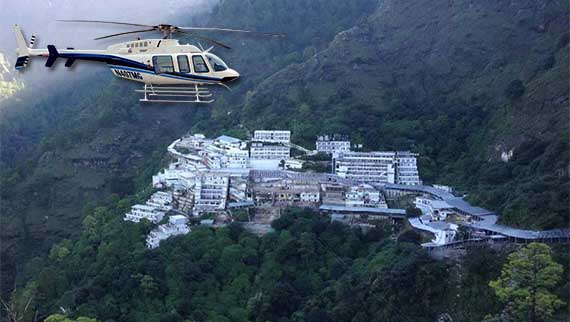
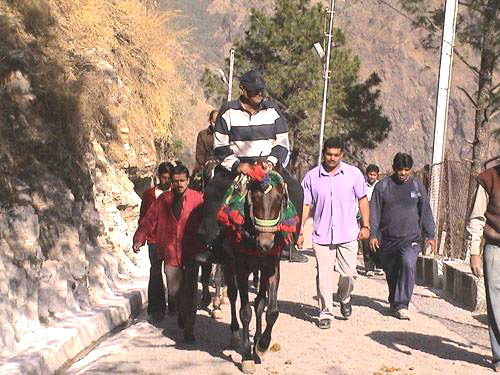
Some pilgrims complete the entire route on foot, valuing the sense of continuity and personal pacing. Others use assisted services for certain stretches to reduce physical strain. There are also options that shorten the journey partially without eliminating walking entirely.
Summary of Route Options
| Option | Suitable For | Main Trade-Off |
|---|---|---|
| Walking Entire Route | Most pilgrims | Requires time & physical effort |
| Assisted Services | Elderly or limited mobility | Less flexibility |
| Helicopter (Partial) | Time-constrained visitors | Availability dependent |
It is important to note that none of these options defines the quality or validity of the experience. The right choice is the one that aligns with your circumstances and allows you to complete the journey safely and comfortably.
Difficulty, Comfort, and Realistic Expectations
One of the most common questions pilgrims ask is whether the Vaishno Devi yatra is “difficult.” The answer depends less on the route itself and more on individual preparedness, timing, and expectations.
The yatra is not technically challenging, but it can be physically demanding. Continuous walking, inclines, weather exposure, and crowd density all contribute to fatigue. Those who are not accustomed to walking long distances or navigating hilly terrain may find it tiring, especially if they rush or skip rest breaks.
Comfort during the yatra improves dramatically when expectations are realistic. Wearing appropriate footwear, pacing oneself, staying hydrated, and accepting that waiting times are part of the experience all make a significant difference. Many difficulties arise not from the route, but from attempting to complete the journey faster than one’s body allows.
How Much Time Do You Actually Need in Katra?
There is no single correct answer to how much time a Vaishno Devi visit requires. The duration depends on travel style, season, registration timing, and personal circumstances.
Some visitors plan a short, focused trip, arriving in Katra, completing the yatra, and departing quickly. Others prefer a more relaxed schedule that allows time for rest before and after the walk. Families, senior citizens, and first-time visitors often benefit from additional buffer time.
Time Planning Overview
| Travel Style | Typical Planning Approach |
|---|---|
| Fast, focused visit | Short stay with tight scheduling |
| Comfortable pace | Balanced time for yatra and rest |
| Family or elderly travel | Extra buffer strongly recommended |
Including buffer time reduces pressure and allows flexibility in case of delays, weather changes, or fatigue. In most cases, travelers who plan with margin report a far more positive experience than those who attempt to minimize time at all costs.
Best Time to Visit Katra: Seasonal and Monthly Considerations

Choosing when to visit Katra is one of the most important planning decisions for a Vaishno Devi yatra. Unlike many tourist destinations where weather alone dictates timing, Katra requires balancing weather comfort, crowd levels, and personal tolerance for waiting and movement.
There is no universally perfect time to visit. Each season presents its own advantages and challenges, and the “best” time depends largely on whether you prioritize physical comfort, fewer crowds, or alignment with religious occasions.
Seasonal Overview of Katra
| Season | Crowd Level | Weather Comfort | Key Considerations |
|---|---|---|---|
| Winter | Low to moderate | Cold | Fewer crowds, colder conditions |
| Summer | Very high | Hot | Peak footfall, long waiting times |
| Monsoon | Moderate | Rainy | Slippery routes, weather disruptions |
| Navratri & Festivals | Extremely high | Variable | Heavy rush, advance planning essential |
Winter months are often preferred by pilgrims who wish to avoid crowds and do not mind cold weather. Summer attracts the highest number of visitors due to school holidays and easier travel conditions, but it also brings heat and congestion. Monsoon months require additional caution due to rainfall, while festival periods demand the most careful planning due to exceptionally high demand.
Many travelers find that planning using month-by-month guidance—rather than relying solely on seasonal labels—offers a more accurate picture of conditions and helps set realistic expectations.
Where to Stay in Katra: A Practical Decision Framework
Accommodation in Katra is designed primarily for pilgrims, not leisure tourists. As a result, the most important factor when choosing where to stay is location and practicality, not luxury or views.
Katra offers a wide range of accommodation types, from basic dharamshalas to comfortable mid-range hotels. Each option serves a different purpose depending on travel style, group composition, and budget.
How to Decide Where to Stay
| Priority | Best Fit |
|---|---|
| Easy arrival and departure | Near railway station |
| Early yatra start | Closer to Banganga |
| Budget-conscious travel | Dharamshala-style stays |
| Comfort and privacy | Mid-range hotels |
Staying closer to the railway station simplifies logistics for those arriving late or departing early. Accommodation nearer to Banganga can reduce early-morning travel on yatra day. Budget travelers often prefer dharamshalas for their affordability and pilgrim-focused environment, while families and older travelers may value the comfort and amenities of hotels.
Rather than searching for the “best” place to stay, it is more effective to choose accommodation that aligns with your timing, physical needs, and travel rhythm.
Nearby Places to Visit Around Katra
While Katra is best known as the base town for the Vaishno Devi yatra, the surrounding region offers several places that add cultural, natural, and spiritual depth to a trip. Many visitors choose to extend their stay by a day or two to explore nearby destinations, especially if they prefer a slower, more immersive travel experience.
These places are easily accessible from Katra and are often visited either before beginning the yatra or after completing darshan, depending on energy levels and travel plans.
Popular Places Around Katra
| Place | Distance from Katra | Why It’s Worth Visiting |
|---|---|---|
| Banganga | Very close | Sacred origin point of the yatra |
| Ardhkuwari | On yatra route | Important spiritual stop |
| Patnitop | Short drive | Hill views, cooler climate |
| Shiv Khori | Day trip | Revered cave shrine |
| Sanasar | Moderate drive | Meadows, nature, quiet stays |
Travelers who enjoy nature, photography, or cultural exploration often find these places a rewarding complement to the pilgrimage. Visiting one or two nearby locations at a relaxed pace can turn a Vaishno Devi trip into a broader Jammu region experience rather than a single-purpose journey.
Food in Katra: Local Flavours and Pilgrim-Friendly Cuisine
Food in Katra reflects the town’s role as a pilgrimage hub while also offering a glimpse into regional North Indian flavours. Most eateries focus on vegetarian meals, prepared in a simple, homestyle manner that suits both pilgrims and travelers.
For many visitors, meals in Katra become a comforting part of the journey — warm food after a long walk, early breakfasts before starting the yatra, and relaxed dinners while resting.
What You’ll Commonly Find to Eat in Katra
| Category | Typical Options | Why Visitors Enjoy It |
|---|---|---|
| Traditional meals | Dal, rice, roti, sabzi | Filling and familiar |
| Local snacks | Chole, rajma, pakoras | Regional comfort food |
| Sweets & desserts | Halwa, kheer, peda | Often part of offerings |
| Cafés & bakeries | Tea, coffee, light snacks | Popular with families |
Beyond basic meals, Katra also has cafés, sweet shops, and casual eateries that cater to tourists looking for relaxed dining after the yatra. Cleanliness, simplicity, and accessibility remain the defining features rather than fine dining.
Exploring local food at an easy pace adds a pleasant rhythm to the stay, especially for travelers spending multiple nights in Katra.
Extending Your Katra Trip Beyond the Yatra
Many travelers initially plan Katra as a short stop but later realize that the surrounding region offers enough variety to justify a longer stay. Extending the trip allows visitors to balance spiritual travel with nature, culture, and rest.
This approach is particularly popular with:
-
Families traveling together
-
Repeat Vaishno Devi visitors
-
Travelers combining pilgrimage with regional tourism
-
Visitors exploring Jammu and Kashmir beyond Srinagar
With thoughtful planning, Katra can serve as a comfortable base for both pilgrimage and regional exploration.
Guidance for First-Time Visitors to Vaishno Devi
First-time visitors often approach the Vaishno Devi yatra with a mix of excitement and uncertainty. Concerns about fitness, procedures, and crowd management are common, especially for those unfamiliar with pilgrimage-style travel.
One of the most reassuring aspects of the yatra is its structure. The route is clearly defined, assistance is widely available, and the overall system is designed to handle large volumes of pilgrims. Most challenges faced by first-timers stem from overplanning or unrealistic expectations, rather than actual difficulty.
A few guiding principles help first-time visitors significantly:
-
Plan realistically, not aggressively
-
Allow buffer time
-
Prioritize comfort over speed
-
Accept waiting as part of the experience
When approached calmly, the yatra becomes far less intimidating than it often appears during the planning phase.
Visiting With Family, Parents, or Children
Traveling to Vaishno Devi with family members requires additional thought, particularly when the group includes elderly parents or young children. While the yatra is accessible to a wide range of age groups, comfort and safety depend heavily on pacing and preparation.
Senior citizens often benefit from slower schedules, frequent rest breaks, and avoiding peak congestion hours. Children, on the other hand, require attention to hydration, nutrition, and rest to prevent exhaustion.
Katra and the yatra infrastructure are accustomed to accommodating families, but successful family travel typically involves:
-
Extra time buffers
-
Flexible route choices
-
Willingness to pause or adjust plans
Viewing the journey as a shared experience rather than a task to complete helps ensure that everyone remains comfortable and engaged.
Common Mistakes Pilgrims Make in Katra
Many difficulties encountered during a Vaishno Devi visit can be traced back to a handful of common misconceptions.
One frequent mistake is underestimating the physical nature of the yatra. While devotion is a powerful motivator, physical readiness and pacing still matter. Another is attempting to compress the entire visit into an overly tight schedule, leaving no room for rest or delays.
Other common errors include:
-
Ignoring weather conditions
-
Wearing unsuitable footwear
-
Overpacking or carrying unnecessary items
-
Relying on generalized online advice without personal context
Avoiding these mistakes does not require complex planning—only realistic expectations and a willingness to adapt.
Cultural and Spiritual Context of the Vaishno Devi Journey
For many pilgrims, the Vaishno Devi yatra is not simply a trip but a deeply personal spiritual undertaking. The journey carries symbolic meaning related to faith, perseverance, and devotion, which shapes how it is experienced emotionally.
The collective movement of pilgrims, shared pauses along the route, and rituals performed at the shrine contribute to a sense of connection that extends beyond the individual. Even visitors who approach the yatra from a cultural or experiential perspective often find the atmosphere reflective and emotionally resonant.
Understanding this broader context helps explain why the journey holds lasting importance for so many people and why patience, respect, and humility are often emphasized throughout the experience.
Who Should Visit Vaishno Devi — and Who Should Reconsider (Honestly)
The Vaishno Devi yatra is open to people from all walks of life, but that does not mean it suits every travel style or physical condition equally well. One of the most helpful planning steps is honestly assessing whether the journey aligns with your current situation rather than relying on assumptions or external pressure.
The yatra is well-managed and supported, but it still requires endurance, patience, and tolerance for crowds. Visitors who approach it with awareness tend to have far more positive experiences than those who arrive unprepared or conflicted.
Who Is Likely to Have a Positive Experience
-
Visitors who are comfortable walking for extended periods at a steady pace
-
Pilgrims who allow buffer time and do not rush the journey
-
Families who plan conservatively rather than aggressively
-
Travelers who accept waiting and crowd movement as part of the process
Who May Want to Reconsider Timing or Approach
-
Visitors with unresolved medical issues or severe mobility limitations
-
Travelers who struggle with crowds or confined movement
-
Those expecting a relaxed sightseeing-style trip
-
Visitors attempting to fit the yatra into an extremely tight schedule
Reconsidering does not mean abandoning the plan entirely. In many cases, adjusting the season, travel style, or support options makes the journey far more manageable.
Physical Preparation vs Mental Preparation: What Matters More
Most planning discussions around Vaishno Devi focus on physical readiness, but mental preparation often plays an equal or greater role in determining how the journey feels.
Physically, the yatra demands stamina and joint comfort. Mentally, it requires patience, flexibility, and acceptance of uncertainty.
Physical Readiness: A Reality Check
-
Ability to walk continuously for long periods
-
Comfort on inclines and uneven surfaces
-
Tolerance for weather exposure
Mental Readiness: Often Overlooked
-
Accepting that waiting times are normal
-
Remaining calm in crowded environments
-
Letting go of rigid timelines
-
Adjusting expectations when plans change
Many pilgrims who are physically capable struggle because they mentally resist the realities of crowd movement or waiting. Conversely, visitors with modest physical ability but strong mental adaptability often report fulfilling experiences.
Crowd Psychology on the Yatra (Why It Feels Intense)
Crowds at Vaishno Devi are not random. They move in waves, shaped by registration slots, time of day, and seasonal demand. Understanding this dynamic helps reduce stress.
Crowd-related discomfort often stems from loss of perceived control rather than actual danger. Movement slows, personal space reduces, and progress feels uncertain. For first-time visitors, this can feel overwhelming.
What helps:
-
Viewing delays as temporary, not personal
-
Avoiding peak movement windows when possible
-
Focusing on pacing rather than speed
-
Taking mental breaks during pauses
Crowds are an operational reality of one of the most visited pilgrimage sites in the country. Accepting this early makes the experience far more manageable.
🌤️ Katra & Vaishno Devi Weather
Weather Impact on the Body (Beyond Hot and Cold)
Weather affects the yatra in ways that go beyond simple comfort.
Heat
-
Accelerates fatigue and dehydration
-
Increases strain on joints and feet
-
Makes crowds feel denser and more draining
Cold
-
Reduces muscle flexibility
-
Slows movement, especially at night
-
Increases discomfort during rest stops
Rain
-
Makes surfaces slippery
-
Slows crowd movement
-
Requires extra caution rather than speed
Planning clothing, pacing, and rest around weather conditions—not just dates—plays a major role in overall comfort.
Why Many Pilgrims Feel Overwhelmed (And How to Avoid It)
Feeling overwhelmed during the yatra is more common than many people admit. This usually happens when expectations clash with reality.
Common triggers include:
-
Unexpected waiting times
-
Physical fatigue combined with crowd pressure
-
Overpacked schedules
-
Comparing progress with others
The simplest way to avoid overwhelm is to shift focus from completion to continuity. The yatra is not a test to pass or a race to finish. It is a process to move through, step by step.
Pilgrims who allow the journey to unfold naturally often report a calmer, more meaningful experience.
Using Katra as a Recovery Base After Darshan
Many visitors underestimate the value of rest after completing darshan. Physical fatigue, disrupted sleep, and emotional intensity often peak after the yatra rather than during it.
Staying in Katra for recovery allows:
-
Proper rest and hydration
-
Gradual return to normal activity
-
Reduced risk of travel-related exhaustion
For families, elderly travelers, and first-time visitors, treating Katra as a recovery base rather than a transit point improves overall well-being and travel safety.
How Repeat Visitors Plan Differently
People who visit Vaishno Devi more than once often approach planning very differently the second time.
Common changes include:
-
Choosing off-peak seasons
-
Allowing more time rather than less
-
Prioritizing comfort over speed
-
Ignoring unnecessary online noise
Experience teaches that smoother journeys come from simpler plans, not more aggressive ones. This insight alone accounts for much of the difference between stressful and fulfilling visits.
Self-Assessment Tables for Better Planning
Fitness Readiness Check
| Question | If Mostly “Yes” |
|---|---|
| Can you walk for long periods comfortably? | Good baseline |
| Are inclines manageable for you? | Suitable for yatra |
| Can you pace yourself without rushing? | Strong readiness |
Crowd Tolerance Check
| Question | Interpretation |
|---|---|
| Comfortable in dense crowds? | Peak season possible |
| Prefer space and calm? | Off-season better |
| Patient with delays? | Lower stress likely |
These self-checks help align expectations with planning choices.
Frequently Asked Questions
Is the yatra suitable for solo travelers?
Is there pressure to complete the yatra quickly?
Does physical fitness guarantee a smooth experience?
Can plans change mid-journey?
Is Katra suitable for rest after darshan?
Do repeat visitors do anything differently?
Is there snowfall in Katra or Vaishno Devi?
Does it snow in Vaishno Devi during winter?
Where is Katra located exactly?
How far is Vaishno Devi from Katra?
Is there a ropeway from Katra to Vaishno Devi?
Where should I stay in Katra for Vaishno Devi?
Final Perspective: What This Journey Really Requires
The Vaishno Devi yatra is not defined by distance, speed, or comparison. It is shaped by preparation, patience, and perspective. Katra exists to support this journey, not to complicate it.
When visitors understand the structure of the yatra, respect their own limits, and plan with flexibility, the experience becomes less about managing difficulty and more about moving with intention.
A calm plan does not reduce the significance of the journey—it enhances it.