

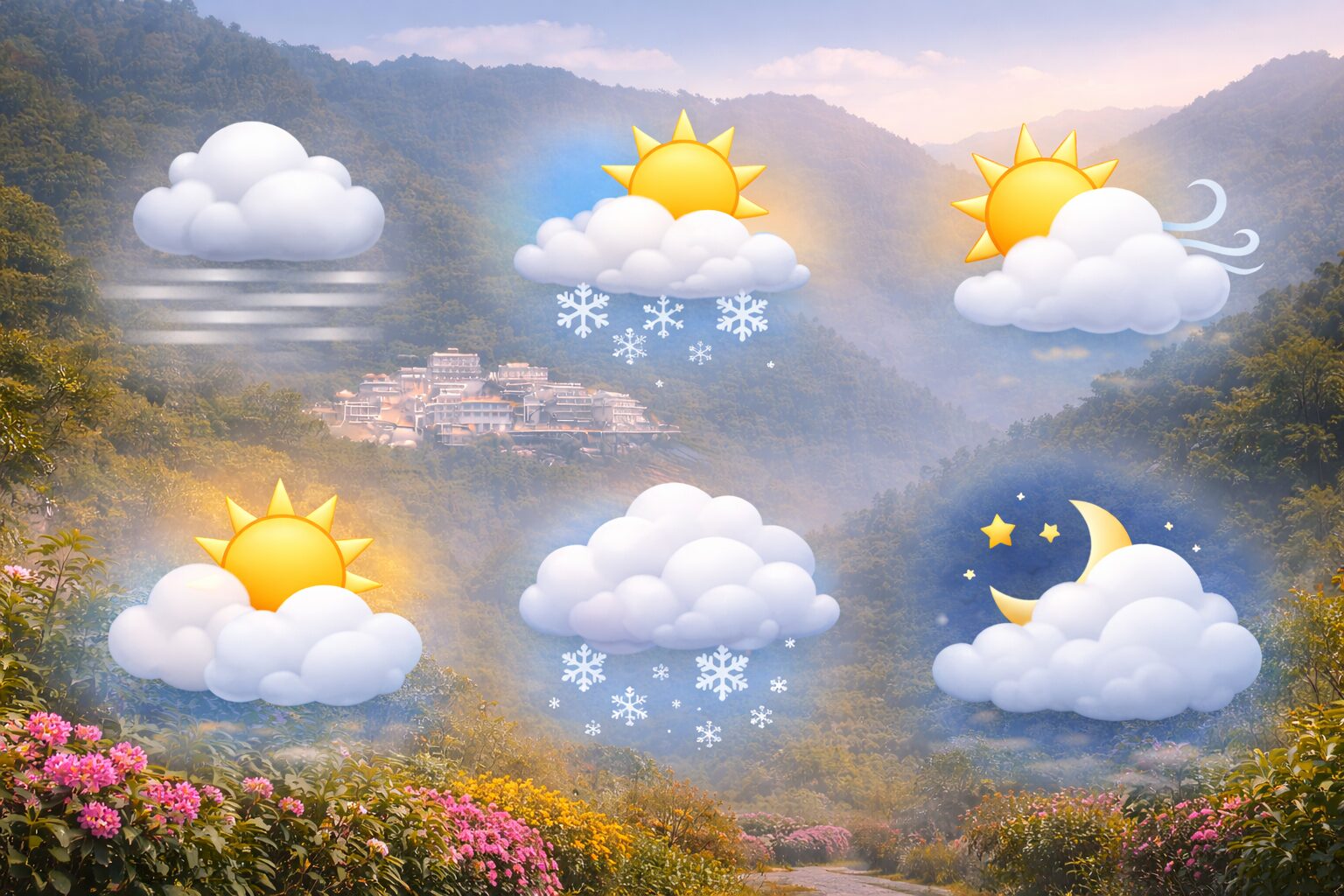

Katra Weather Forecast Today (January 22, 2026) for Vaishno Devi Yatra
Thursday, January 22, 2026 – Pilgrims in Katra and on the Vaishno Devi Yatra route can expect a typical mid-winter pattern today: cold at the base town in the early hours, turning pleasantly cool by afternoon, and dropping back to a sharp chill after sunset. Conditions along the track from Katra to Bhawan are likely to stay mostly dry, with some variation in wind and nippy patches at higher points.
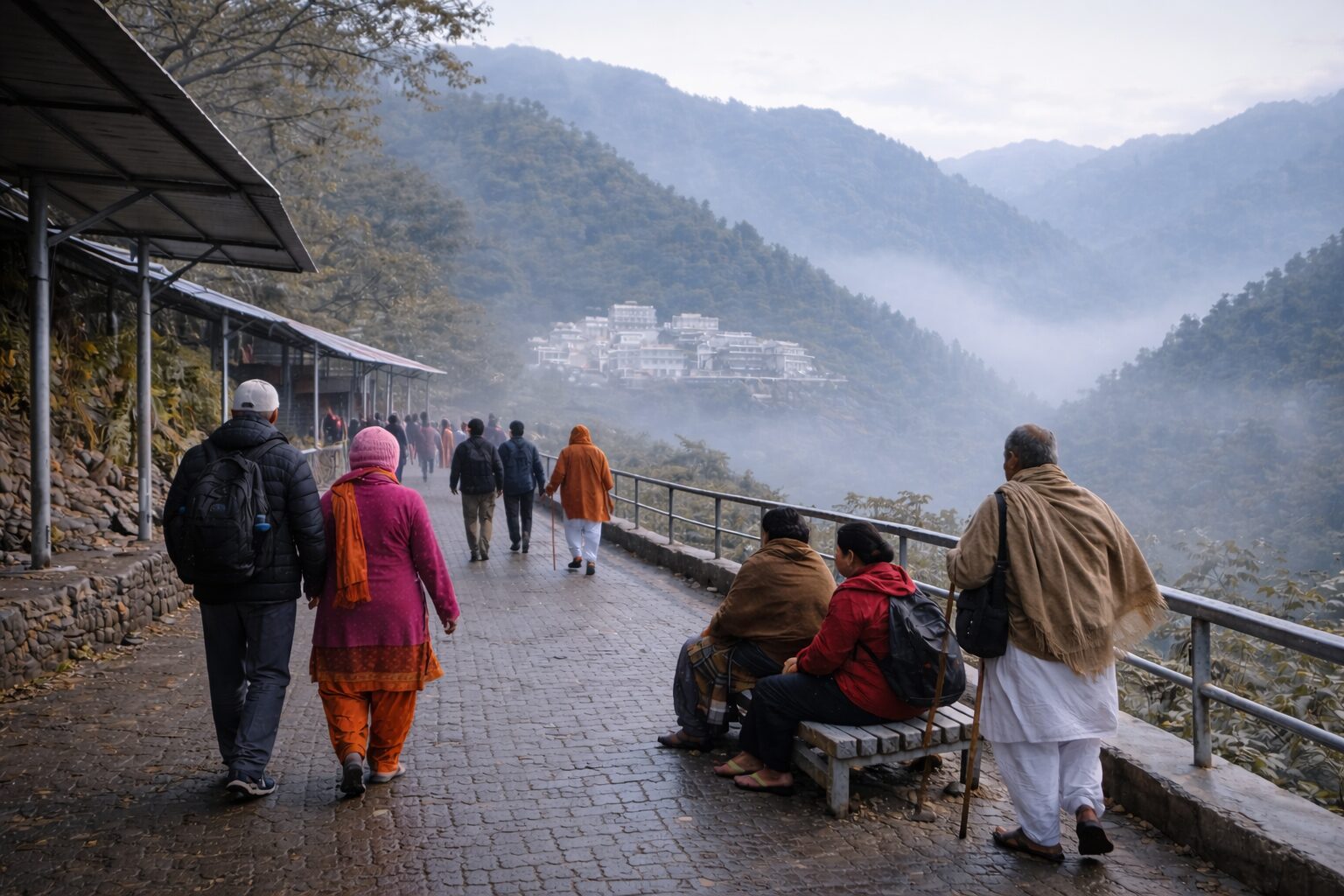
If you are starting your Yatra today or are already in Katra, the key will be layering well, protecting hands and ears, and timing your walk to avoid the coldest window late at night.
For broader planning around the season, stay, and route options, you may also find this overview useful: Katra Vaishno Devi Travel Guide: Yatra, Stay & Best Time to Visit.
Today’s Weather at a Glance
| Time of day | Conditions | Temp (approx.) | Walking comfort | Weather |
|---|---|---|---|---|
| Early morning (4–8 am) | Cold, possible light fog | 7–10°C | Manageable | 🌫️ |
| Late morning (8–11 am) | Cool, gradually clearer | 10–14°C | Comfortable | 🌤️ |
| Afternoon (11 am–4 pm) | Pleasant, mostly sunny | 14–18°C | Comfortable | 🌤️ |
| Evening (4–8 pm) | Cool to cold | 10–13°C | Manageable | 🌤️ |
| Night (8 pm–2 am) | Cold, breezy at heights | 6–9°C | Challenging | 💨 |
What this means for pilgrims today
- The most comfortable walking window is late morning to mid-afternoon, especially for families and older pilgrims.
- Early-morning starters should expect a cold, slightly damp feel, especially near foggy stretches and shaded bends.
- Evening and late-night trekking will feel significantly colder, particularly beyond Adhkuwari and on exposed sections near Sanjichhat.
- Layers that can be removed by afternoon and put back on after sunset will be more useful than one heavy jacket.
- Those prone to breathing issues should avoid the chilliest and breeziest night hours on steep sections.
Weather Impact on Vaishno Devi Yatra Route
Conditions today are broadly favourable for the Yatra, with no strong signal of heavy rain or severe weather. The main weather factor you will need to manage is cold, which becomes more pronounced with altitude and after sunset.
Katra base town
- Morning: Katra may start off with a cool to cold feel and a hint of fog or haze in patches. Visibility on roads should remain generally adequate, but two-wheelers should drive cautiously.
- Midday: By late morning and early afternoon, Katra usually feels pleasantly cool. This is a comfortable time to complete registration formalities, arrange accommodation, and begin the climb.
- Evening: Temperatures drop quickly after sunset; add an extra layer before stepping out for darshan-related arrangements or late starts.
Track from Katra to Bhawan
- Banganga to Adhkuwari: Lower sections are relatively milder, but shaded corners can stay cool till late morning. Railings and metal benches may feel very cold to touch in the early hours.
- Adhkuwari to Sanjichhat: Expect a noticeable drop of a few degrees compared to Katra, especially during evening and night. Wind exposure is higher on bends and open viewpoints, making it feel colder than the temperature number alone suggests.
- Sanjichhat to Bhawan: The final approach can be breezy and sharply cold after dark. If you plan to reach Bhawan late at night, ensure ears, hands, and head are covered.
Yatra operations are generally not disrupted by this kind of cold, but individual comfort can vary widely. Children, elderly pilgrims, and those with joint pain or respiratory conditions should build in extra rest breaks and avoid the coldest hours if possible.
Walking and Trekking Conditions
Track surface and footing
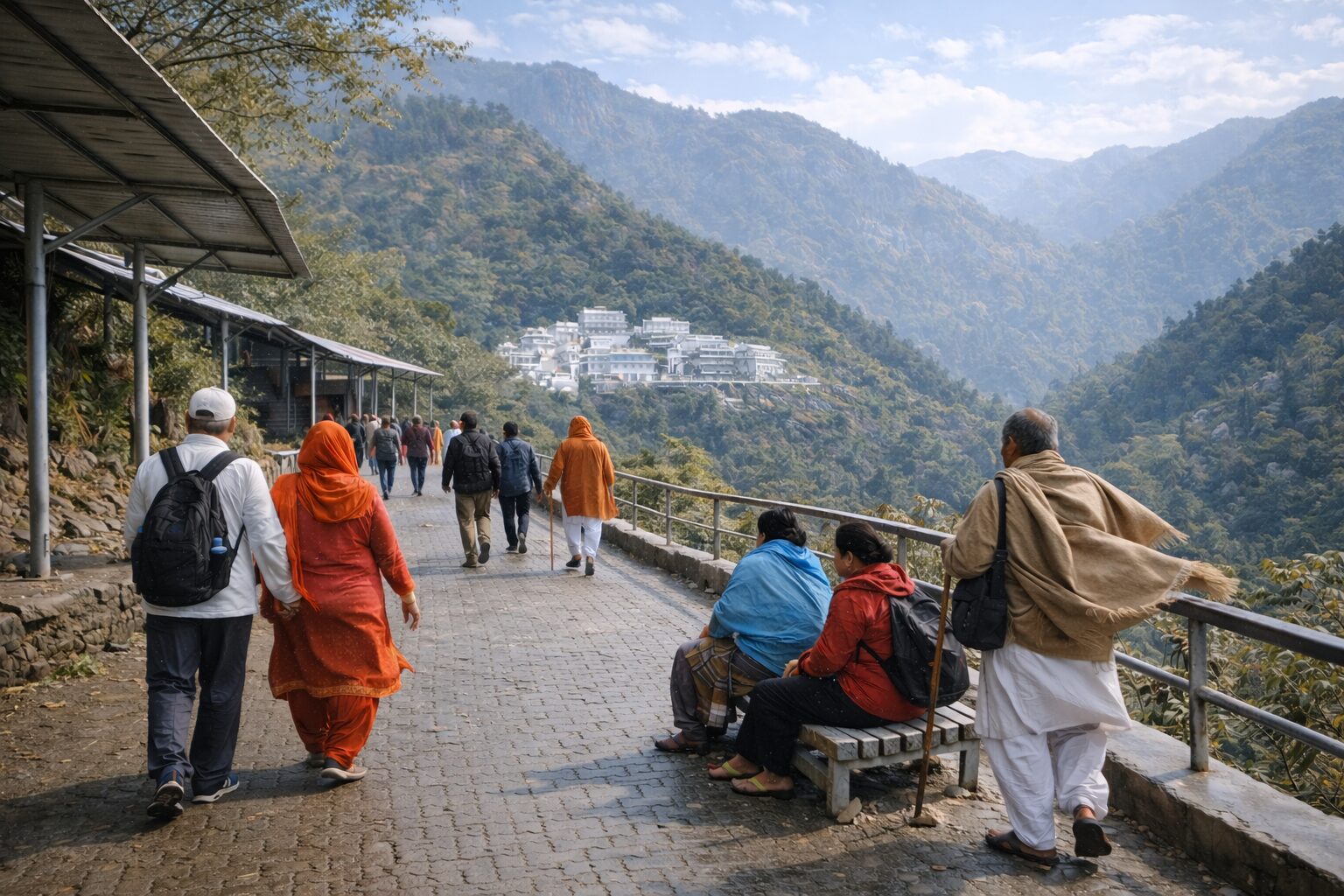
- The main track is paved and generally dry in such conditions, but early-morning moisture or dew can make certain shaded patches slightly slippery.
- Steps and steep gradients may feel harder on the knees in cold weather; pace yourself and use railings where available.
- If you are using alternate routes or older tracks, watch for uneven surfaces and patches that hold moisture longer.
Recommended timing for the climb today
- Best comfort window: Starting between 9 am and 1 pm balances cooler temperatures with enough daylight, giving you time to reach Bhawan without facing the harshest night-time chill.
- For early starters: If you begin before sunrise, dress for a substantially colder feel than the numbers suggest; carry a light scarf or muffler, gloves, and a cap.
- For night trekkers: The combination of altitude and breeze can make the route feel very cold. Keep an extra warm layer easily accessible in your daypack and plan more frequent tea or rest stops.
Hydration and fatigue
- Cold weather can reduce the sense of thirst, but your body still loses fluids through breathing and exertion. Sip water regularly, even if you do not feel thirsty.
- Warm beverages available at stalls en route can help maintain body temperature, but avoid overloading on very sugary drinks.
- Short, frequent breaks are better than long halts, especially for elderly pilgrims; keep moving gently to avoid stiffness in the cold.
Crowd Movement and Weather
In winter-like conditions such as today, a good portion of pilgrims prefer starting late morning or early afternoon to avoid the coldest hours. This can cause a relative crowding of the mid-morning window, especially around registration points and early sections of the track.
- Morning: Early hours (before 7–8 am) tend to be quieter on the track but colder; suitable for experienced walkers who are well prepared for the chill.
- Midday: Expect more families and group yatras during 10 am–3 pm when walking comfort is best. Service counters and refreshment points may be busier.
- Evening and night: Some pilgrims aim for night-time darshan to manage crowd levels, resulting in pockets of congestion near Bhawan and key checkpoints even as temperatures fall.
Cold conditions can slow down walking pace, especially for older devotees and those carrying children. Build a time cushion into your schedule for queues, security checks, and rest breaks, rather than pushing too hard to make up time.
Transport, Visibility, and Possible Delays
Reaching Katra
- Road travel: Mild morning fog or haze is possible on approach roads, particularly in low-lying stretches. Visibility should generally remain workable, but drivers should keep speeds moderate in the early hours.
- Rail: Winter schedules in North India sometimes see knock-on delays. Check the latest train status before departure or while in transit.
- Air travel (via Jammu): Fog at some North Indian airports can cause delays that ripple into flights to Jammu. Keep your Yatra start time flexible if you are flying in today.
Transport on the Yatra route
- Ponies and palkis: Animals and porters may move a little slower in cold conditions, especially on steeper segments. Plan for extra time and confirm rates and availability at the official counters.
- Battery cars: Battery car services, where operational, are not usually affected by this level of cold, but queues can build up during comfortable daytime hours.
- Helicopter services: On generally clear, cool days, helicopter operations are more likely to run as scheduled, but they remain subject to visibility and local conditions. Always rely on official communication rather than assumptions.
For the latest status on Yatra arrangements, facilities, and any weather-related restrictions, refer only to official updates from the Shri Mata Vaishno Devi Shrine Board.
Safety Advisories for Today
Cold management and clothing
- Dress in three layers: a light inner layer to wick sweat, a warm middle layer (sweater or fleece), and an outer layer to protect from breeze.
- Carry a woollen cap or muffler, gloves, and socks thick enough for night-time temperatures, especially if you expect to be near Bhawan after dark.
- A compact rain or wind-cheater jacket can help cut the wind at higher sections even if skies stay mostly clear.
Health and pace
- Pilgrims with asthma, COPD, or heart conditions should avoid sudden exertion in cold air. Take shorter steps, warm up gradually, and use any prescribed inhalers as advised by your doctor.
- Keep essential medicines in a small pouch close to your body so they stay at a moderate temperature and are easy to access.
- Avoid walking with wet socks or shoes; moisture quickly increases the sensation of cold and can cause discomfort or blisters.
Night trekking precautions
- Use a small torch or headlamp even though the track is lit; it helps with patches in shadow and crowded segments.
- Stay on the designated paved path; do not experiment with shortcuts or poorly lit side tracks, especially in cold and low-visibility conditions.
- If anyone in your group shows signs of excessive shivering, dizziness, or unusual fatigue, pause, move to a sheltered spot, offer warm fluids, and reassess whether to continue or rest longer.
Practical Tips for Pilgrims Starting Today
What to carry for this kind of weather
- Clothing: One warm jacket or fleece, a light sweater, thermal innerwear if you feel the cold easily, woollen cap, scarf, and gloves.
- Footwear: Closed shoes with good grip and cushioned soles. Avoid brand-new shoes that can cause blisters on a long, cold walk.
- Small daypack: For water, light snacks, a spare pair of socks, and one extra warm layer that can be added as temperatures drop.
Food and hydration
- Prefer light, warm meals before and during the Yatra. Very heavy, oily food can make walking on inclines harder in cool weather.
- Keep a small bottle of water accessible and take frequent sips. Herbal tea or simple chai during breaks can help maintain warmth.
- Avoid overconsumption of very cold drinks, especially when your body is warm from walking and the air is chilly.
Planning darshan timing
- If you want to minimise cold exposure, aim to reach Bhawan between late morning and early evening, when temperatures are not at their lowest.
- Those planning night or early morning darshan should build in extra time around Bhawan for queues, security checks, and prasad collection while accounting for colder conditions.
- Always keep some flexibility in your schedule; weather, crowds, or health can all change the pace of your Yatra.
How Stable Is Today’s Weather Pattern?
The pattern described above—cold mornings and nights, milder afternoons, and largely dry conditions—is typical for this time of year around Katra. While no disruptive weather is strongly indicated, local conditions in hilly terrain can change faster than in the plains.
- A brief spell of increased cloud cover, a passing drizzle, or thicker fog cannot be completely ruled out, especially in the early hours.
- Wind can pick up unexpectedly at exposed points on the higher stretches, making it feel several degrees colder than the measured temperature.
- If you notice darkening clouds, stronger gusts, or significant drop in visibility, consider taking a short break at a sheltered or official resting point until conditions stabilise.
Use this forecast as a planning guide, not a guarantee. Local authorities and the Shrine Board have the final word on operational decisions if weather changes.
Quick Bullet Summary for Pilgrims
- Expect a cold start, a pleasantly cool afternoon, and a sharp evening and night chill along the Yatra route today.
- Best comfort window: Start between 9 am and 1 pm if you prefer milder conditions.
- Night trekking is possible but will feel significantly colder, especially beyond Adhkuwari and near Sanjichhat.
- Dress in layers, protect head, hands, and ears, and carry at least one extra warm garment.
- Road, rail, and Yatra operations are generally normal, though minor delays are always possible in winter patterns.
- Check the Shri Mata Vaishno Devi Shrine Board updates for any operational changes or advisories before you start.
FAQ: Weather and Vaishno Devi Yatra Today
1. Is today a good day to do the Vaishno Devi Yatra?
Yes, conditions today are broadly suitable for the Yatra, with dry, cold weather and a comfortable afternoon window. As long as you are prepared for cold mornings and nights with adequate clothing and allow enough time for breaks, the route should be manageable for most pilgrims.
2. What is the most comfortable time to start the climb today?
Starting between 9 am and 1 pm offers the best balance of daylight and milder temperatures. Early starters before sunrise must be ready for a colder feel, while late-evening starters should expect a sharper chill and potentially slower progress due to cold and fatigue.
3. Will fog or poor visibility affect the Yatra?
Light fog or haze is possible in the early morning around Katra and on lower stretches, but it is unlikely to be dense enough to disrupt movement on the main track. Visibility generally improves by late morning. If you encounter a particularly foggy patch, slow down and keep close to railings and your group.
4. Do I need heavy woollens for today’s weather?
You do not usually need extreme high-altitude gear, but you will be more comfortable with a warm jacket or fleece, a sweater or thermal innerwear, and a cap, scarf, and gloves, especially if you plan to walk or stay outdoors after sunset. Children and elderly pilgrims may need slightly warmer clothing than younger adults.
5. Is there any risk of rain or snowfall on the Yatra route today?
Based on typical patterns for this date, the risk of significant rain or snowfall near Katra and the main Vaishno Devi track appears low. However, hills can see quick localised changes. Carrying a light, packable rain or wind-cheater jacket is a sensible safeguard in case of a brief change in weather.
6. How will the cold affect elderly pilgrims or those with health issues?
Cold conditions can increase strain on the heart and lungs and may aggravate joint pain or breathing problems. Elderly pilgrims and those with chronic conditions should walk at a slow, steady pace, dress warmly in layers, and avoid the coldest night hours where possible. Consulting a doctor before travel is advisable if you have significant health concerns.
7. Are ponies, palkis, and battery cars safe to use in this weather?
Yes, these services generally operate normally in cold, dry conditions like today. The main point is to keep yourself warm while seated, as you will not be generating body heat by walking. Wear adequate woollens, keep hands and feet covered, and follow all instructions from the official operators along the route.
8. What should I do if the weather suddenly turns windy or colder while I’m on the track?
First, put on your warmest available layer and cover your head, ears, and neck. Move to a more sheltered bend, tea stall, or resting area, and avoid pushing yourself on exposed stretches until you feel stable and comfortable again. If conditions worsen or you feel unwell, prioritise rest and, if needed, consider turning back or pausing your Yatra until you feel fit to continue.
9. Can children do the Yatra comfortably in today’s weather?
Children can complete the Yatra today, provided they are dressed warmly, given frequent breaks, and not rushed. Avoid exposing them to the coldest late-night and early-morning hours on higher stretches. Keep them well hydrated and watch for signs of excessive tiredness or discomfort.
10. How should I plan my return from Bhawan given the evening chill?
If you finish darshan in the late evening or night, add a warm layer before beginning the descent, as many pilgrims underestimate how cold it feels once you stop queuing and start walking downhill. Plan for slower walking speeds and extra breaks, especially for older companions, and keep your group together in the colder, darker segments.
11. Will the cold affect my mobile phone or electronics on the route?
Moderate cold like today may reduce battery performance slightly but is unlikely to damage devices if kept inside pockets or bags. Keep power banks and phones close to your body rather than in exposed outer pockets, and avoid using devices continuously in strong breeze at higher stretches.
12. I’m arriving in Katra late tonight. Should I start the Yatra immediately or wait till morning?
If you arrive very late and are already tired from travel, it is often safer and more comfortable to rest for a few hours in Katra and begin in the morning when it is brighter and slightly less cold. Starting immediately at night is possible but more demanding; make that decision based on your group’s health, warmth of clothing, and overall energy levels.