

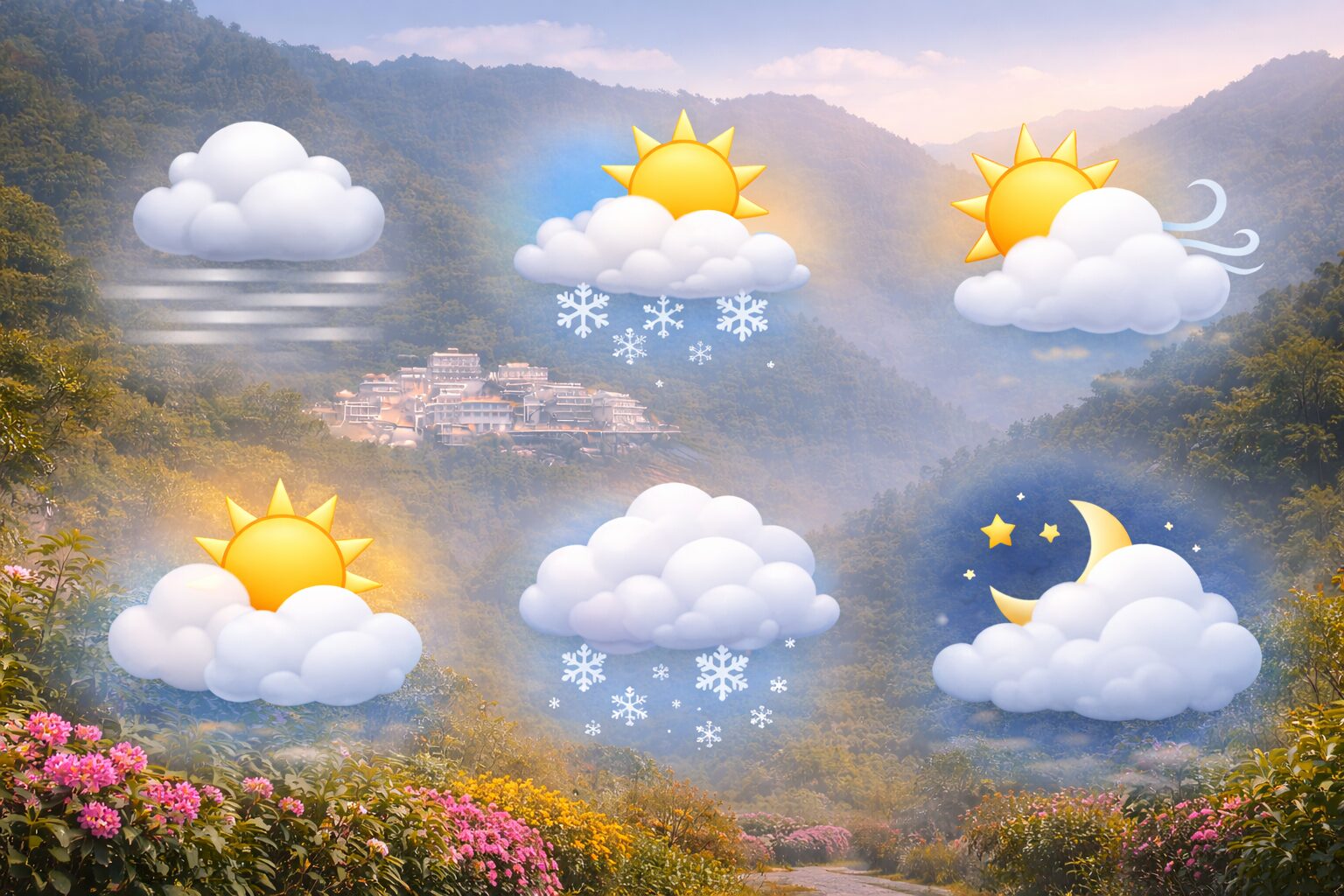

Katra Weather Forecast Today (January 28, 2026) for Vaishno Devi Yatra: Walking Conditions & Advisory
As of January 28, 2026 (India Standard Time), conditions around Katra and the Vaishno Devi Yatra route are in typical late-winter mode: cool to cold mornings and evenings, with a milder, more comfortable window in the afternoon. Pilgrims can expect a largely manageable day on the track, but with noticeable chill on higher stretches and after sunset.
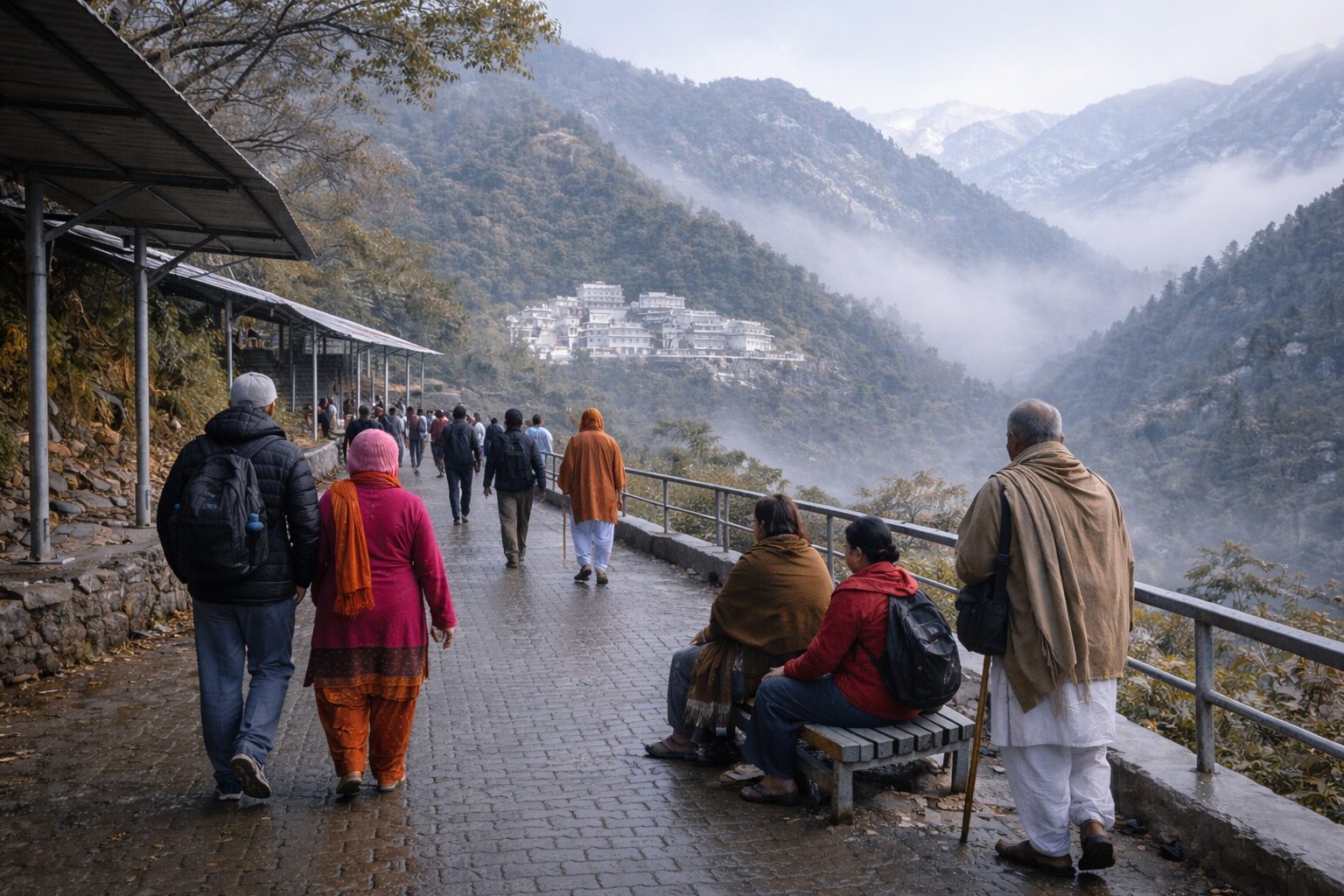
Temperatures are likely to feel coldest between Banganga and Ardhkuwari in the early hours and again near Sanjichhat and Bhawan after dark. If you’re planning to walk today or overnight, layering and basic rain–cold preparedness will matter more than speed or timing.
For broader planning beyond today, including seasonal patterns and logistics, you can refer to the Katra Vaishno Devi Travel Guide: Yatra, Stay & Best Time to Visit.
Today’s Weather at a Glance
| Time of day | Conditions | Temp (approx.) | Walking comfort | Weather |
|---|---|---|---|---|
| Early morning | Cold, possible fog | 6–9°C | Manageable | 🌫️ |
| Late morning | Cool, turning sunny | 10–14°C | Comfortable | 🌤️ |
| Afternoon | Pleasant, mild sun | 14–17°C | Comfortable | 🌤️ |
| Evening | Cool, breezy | 9–12°C | Manageable | 💨 |
| Late night | Cold, partly clear | 6–9°C | Challenging | 🌫️ |
What this means for pilgrims today
- Best walking window: Late morning to late afternoon is the most comfortable time for the climb, especially for families, senior citizens, and first-time trekkers.
- Early starts are colder: If you begin before sunrise, expect a sharp chill and possible patches of fog around Katra and the lower track; keep an extra warm layer handy.
- Evening and night yatra feels colder at height: Near Adhkuwari, Himkoti, and Sanjichhat, late evening and night will feel significantly colder than Katra town; gloves, woollen caps, and a light windcheater are recommended.
- Hydration still matters: The cool air can mask thirst; sip water regularly even if you don’t feel hot.
- Visibility generally okay, but watch for early fog: Any morning fog is most likely to affect the Katra–Banganga stretch and road approaches; give extra time for transfers.
Weather Impact on Vaishno Devi Yatra Operations
Today’s pattern favours largely smooth yatra operations, with typical winter slowdowns rather than severe disruptions.
- Darshan and track access: There is no strong weather signal suggesting widespread suspension of the walking route today. The cold may slow queues and walking pace, especially at night, but conditions are broadly manageable.
- Helicopter services: Operations between Katra and Sanjichhat are usually more sensitive to low clouds, fog, and strong winds. With a mostly stable sky expected, only early morning fog or brief low visibility could cause delays or rescheduling.
- Sanitation and rest zones: Cold air encourages people to cluster around shelters and tea stalls, leading to small localised crowding. Allow a little extra time around Ardhkuwari, Sanjichhat, and Bhawan cloak rooms.
- Queues at Bhawan: Early morning and late evening queues may move slower as pilgrims pause more often in the cold, especially those with children or elderly family members.
For any last-minute operational updates on yatra regulation, gate timings, or helicopter status, rely on official communication from the Shri Mata Vaishno Devi Shrine Board rather than informal sources.
Walking and Trekking Conditions on the Katra–Bhawan Route
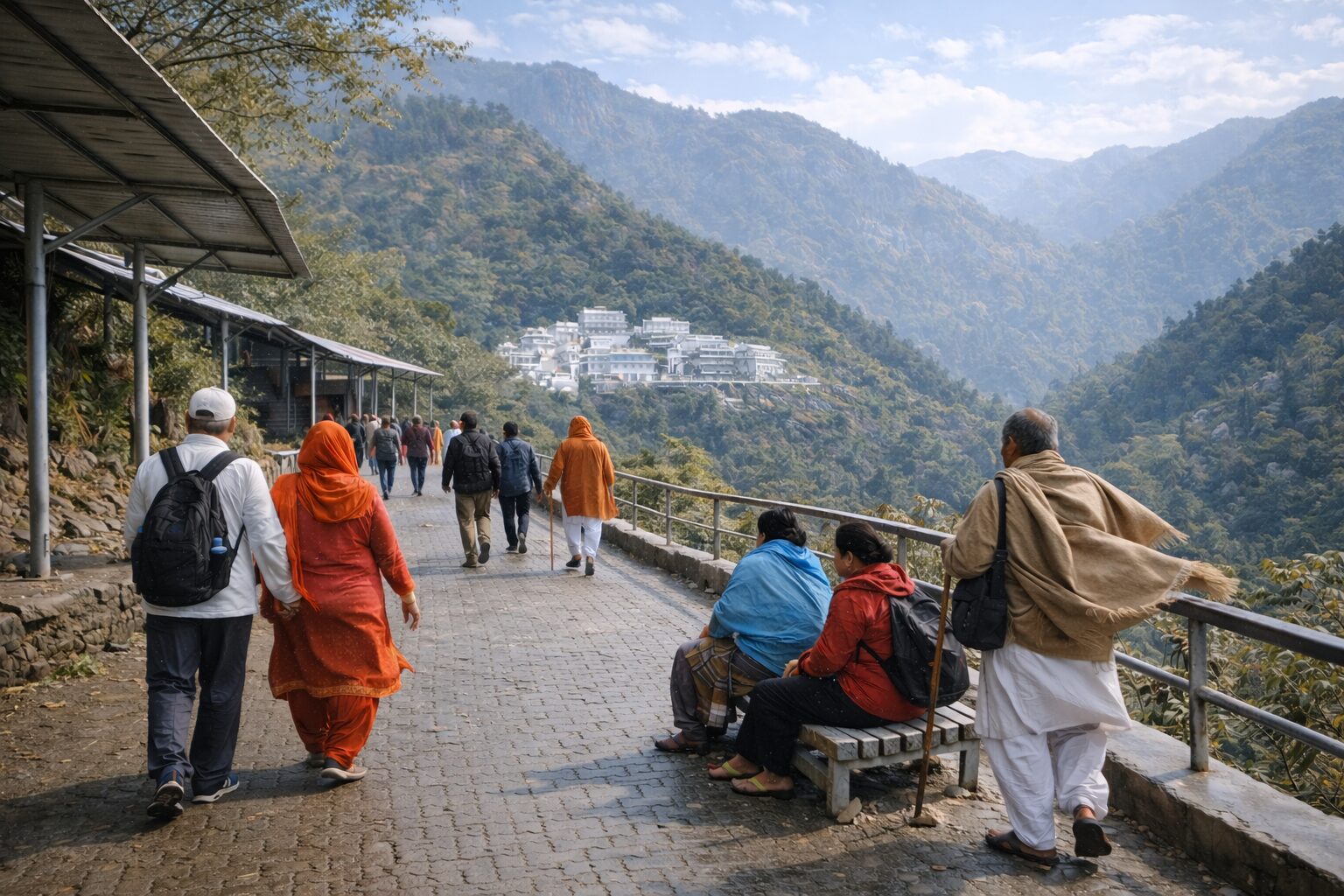
The track between Katra and Bhawan today should remain dry to slightly damp in places, with winter chill rather than active rain or snow being the main factor.
Temperature and feel along the route
- Katra to Banganga: Early hours feel cold but not extreme; once the sun is up, walking here becomes quite comfortable with a light jacket.
- Banganga to Ardhkuwari: Slightly cooler due to elevation and shade. If you are walking at night or early morning, you will feel the cold more strongly in resting areas and under covered stretches.
- Ardhkuwari to Sanjichhat: This section is more exposed to wind. Even on a relatively calm day, the breeze can cut through single layers—carry a windproof outer layer.
- Sanjichhat to Bhawan: The cold is most noticeable here during late evening and post-midnight. Slower walkers and those with respiratory issues may feel some discomfort if not adequately layered.
Surface condition and traction
- Track surface: Primarily paved; in winter, the concern is damp patches and condensation in shaded segments, especially before sunrise.
- Slippery spots: Expect slightly slick stretches near water points, tea stalls, and restroom entrances where spillage occurs. Walk carefully in footwear with worn-out soles.
- Footwear advice: Closed sports shoes or trekking shoes with decent grip are ideal. Avoid open sandals, smooth leather soles, or brand-new stiff shoes that are not broken in.
Best time to start based on today’s pattern
- For families and seniors: A start between 8:00 am and 11:00 am generally offers the best balance between daylight, warmth, and still-manageable crowds.
- For night trekkers: If you prefer walking in quieter hours, be ready for significantly colder conditions post-10:00 pm, particularly above Ardhkuwari.
- For helicopter users: Early to mid-morning slots often see more stable visibility than dawn in winter. Build in buffer time for possible weather-related delays.
Cold, Wind, and Fog: How They May Affect Your Yatra Today
Cold and wind
- Wind exposure: Upper stretches near Sanjichhat can feel windy, especially around afternoon and evening. The actual air temperature may not be very low, but the wind chill can make it feel several degrees colder.
- Body response: Those with asthma, bronchitis, or heart disease may feel the cold and wind more intensively. Keeping the chest covered and breathing through a muffler or light mask can help.
- At rest points: You will feel colder when you stop walking. Keep a light shawl or jacket easy to reach in your small daypack rather than packed at the bottom.
Fog and visibility
- Katra town and approach roads: Any fog is more likely in the early morning. This can briefly reduce visibility for vehicles approaching Katra from Jammu.
- Lower track: Short stretches of haze or light fog may appear near Banganga in the early hours, but the paved, lit path still remains usable.
- Impact on timing: Consider starting road travel to Katra a little earlier than absolutely necessary if you have a fixed helicopter slot or reporting time, to allow for any slow driving in fog patches.
Transport and Delay Considerations
Road travel to and from Katra
- Jammu–Katra sector: On a cool, largely dry winter day, the Jammu–Katra road usually remains open and passable. Delays, if any, are more often due to fog in the early morning or localised congestion near Katra bus stand and parking areas.
- Vehicle readiness: Ensure your vehicle’s defogging and wiper systems are working. If hiring a taxi, check that windows can be kept clear in case of dawn fog.
- Evening return: If you are returning to Jammu late evening or at night, the temperature drop can make the ride feel noticeably colder than the afternoon. Keep a warm layer accessible in your hand baggage.
Helicopter and pony services
- Helicopter: While clear to partly cloudy conditions support flying, any temporary low cloud or fog in the Katra valley—especially early morning—can slow operations. Factor in waiting time at the helipad even in stable weather.
- Pony and palki: Demand for ponies and palkis often rises in the cold, particularly for night darshan or for seniors. Booking or negotiating early in the day gives you more choice and reduces last-minute crowding.
- Walking vs riding: On a day like today, reasonably fit pilgrims can comfortably walk most or all of the route with warm clothing and regular breaks. Riding remains useful mainly for those with mobility, cardiac, or respiratory concerns.
Safety Advisories for Today’s Conditions
For seniors and those with medical conditions
- Cold stress: The combination of cold air and effort on the incline can strain the heart and lungs. Walk at a measured pace, and avoid competitive or rushed climbing.
- Medication: Keep necessary medicines, inhalers, and basic first-aid items in a small personal pouch rather than in group luggage.
- Rest planning: Use official rest areas and shelters, especially during late night or early morning when the chill is stronger. Short, more frequent breaks are better than long, infrequent halts.
For children and first-time visitors
- Layered clothing: Children lose heat faster than adults. Use multiple thin layers that can be adjusted as the day warms up.
- Footwear checks: Make sure children’s shoes fit snugly and have grip. Avoid letting them run on sloping, damp sections of the track.
- Hydration and snacks: Offer water regularly and keep light, dry snacks on hand to maintain energy during slower stretches.
General behaviour on the track
- Avoid sudden sprints: The cold can mask exertion. Keep a steady pace instead of rushing to overtake or reach a particular point quickly.
- Use railings where available: On steeper inclines or damp patches, hold the railing for extra stability, especially if carrying luggage or accompanying elderly relatives.
- Respect closures and diversions: If any segment is temporarily regulated by authorities due to crowd, maintenance, or weather concerns, follow the advised path even if it adds a few minutes.
Practical Packing Tips for Today and the Next 24 Hours
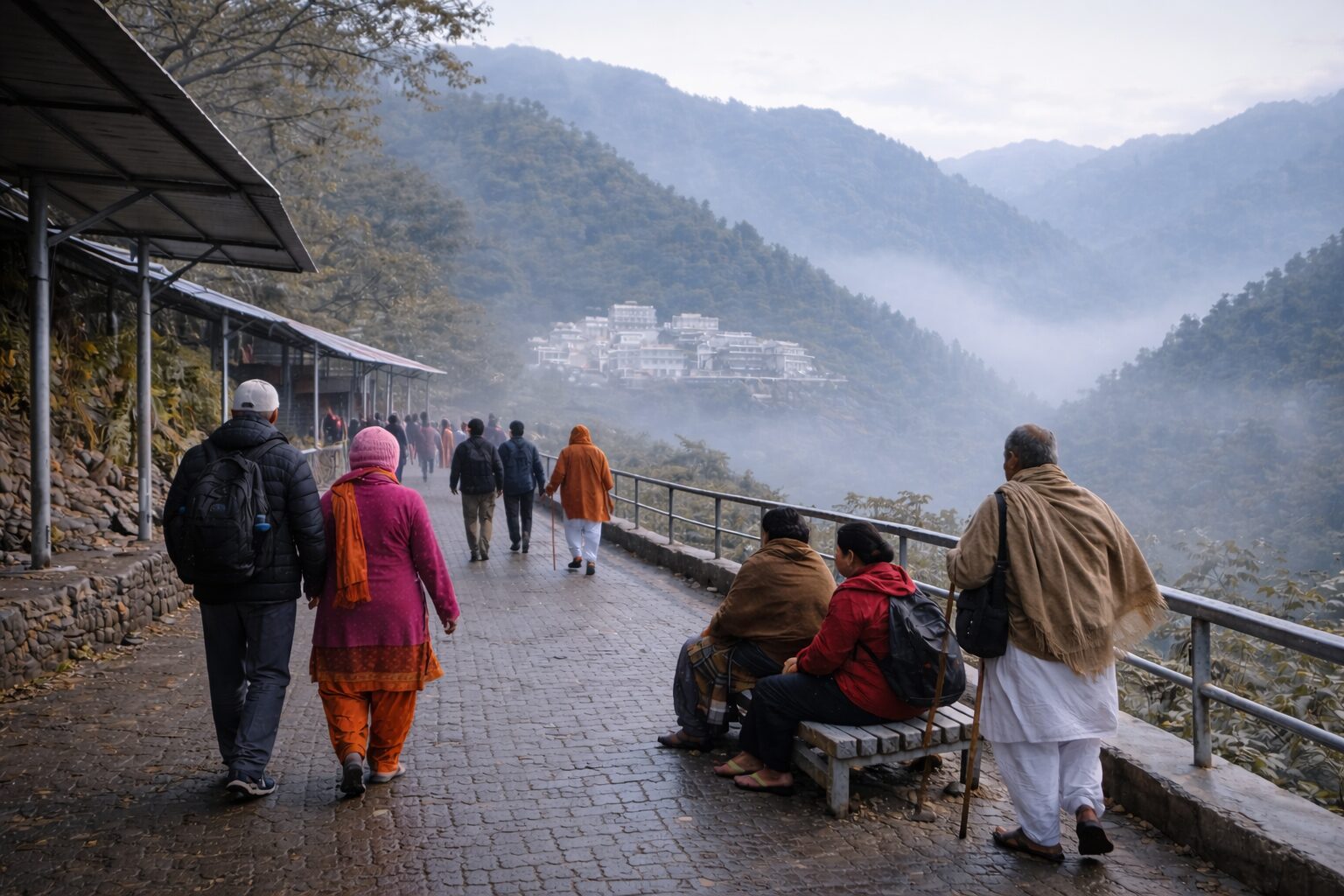
Clothing
- Base layer: Light, full-sleeve inner or thermal top if you feel the cold easily.
- Mid layer: A light sweater or fleece that you can remove by afternoon if it turns warmer while walking.
- Outer layer: A windproof or mildly insulated jacket, especially important if you’re likely to be on the upper track during evening or night.
- Accessories: Woollen cap, muffler or neck gaiter, light gloves—small items that make a big difference in winter comfort.
Footwear and gear
- Shoes: Closed sports or trekking shoes with socks; consider one extra pair of socks in case your feet get damp.
- Daypack: A small backpack for water, snacks, documents, and a spare layer, rather than carrying loose items in hand.
- Rain and wind backup: While persistent rain is not indicated, a compact rain poncho or light windcheater offers protection against sudden drizzle or chilly winds.
Health and comfort
- Hydration: Carry a personal water bottle. Even in cool weather, refilling at intervals is better than drinking large amounts infrequently.
- Skin and lips: A light moisturiser and lip balm prevent dryness from cool, breezy air.
- Face masks or mufflers: Helpful both for warmth and for those sensitive to dust or crowd settings.
How Stable Is Today’s Forecast?
Late January in the Katra–Vaishno Devi region is usually governed by broad, slow-moving winter systems. This means that once a cool, mainly dry pattern sets in, conditions tend to remain broadly similar through the day, with temperature and wind being the main variations.
- Low risk of sudden heavy rain: There is no strong indication today of a major, fast-developing storm system, so widespread heavy rain is not expected.
- Possible minor changes: Short-lived patches of low cloud or thicker fog are possible around early morning or late night, which can affect visibility more than comfort.
- Temperature feel: Actual readings may shift by a degree or two, but the overall story—cold mornings and nights, milder afternoons—remains the same.
Still, pilgrims should keep plans a little flexible. If you notice darkening clouds, stronger-than-expected wind, or official advisories at Katra, be prepared to adjust start times, break schedules, or decisions on walking versus using ponies or helicopters.
Quick Summary for Pilgrims Planning the Yatra Today
- Expect cold early morning and late night conditions, with more comfortable walking from late morning through afternoon.
- The track is likely to be dry to slightly damp, with only localised slippery spots near water and rest areas.
- Layered clothing, closed shoes, and a windproof outer will cover most weather-related needs today.
- Older pilgrims and those with heart or lung issues should favour daylight climbing and avoid exertion in the coldest hours unless medically cleared.
- Roads and helicopter services are generally expected to operate, with early-morning fog the main possible source of delay.
Short, Practical FAQ for Today’s Conditions
1. Is it safe to walk the Katra–Bhawan track today in this weather?
Yes, for most healthy adults the track is manageable today, provided you dress warmly and wear proper footwear. The main challenge is cold during early morning and late night, rather than any severe weather.
2. What is the most comfortable time to start the yatra today?
Starting between 8:00 am and 11:00 am usually gives you cool but not biting temperatures and good daylight. You can often reach Bhawan and be on your way back before the coldest night hours set in, depending on your pace.
3. Will fog disrupt my travel from Jammu to Katra this morning?
Some fog in late January is possible in the early morning, which can slow driving and reduce visibility. It usually improves as the sun climbs, so allow extra time if you must travel before mid-morning.
4. Should I carry rain protection today?
Widespread, prolonged rain is not strongly indicated today, but a light, packable poncho or umbrella is still sensible. It offers insurance against brief drizzles, changes in local conditions, or wind-driven chill.
5. How cold will it feel at Bhawan tonight?
Late evening and night near Bhawan can feel significantly colder than Katra, even if the thermometer shows only single digits. With wind and tiredness after the climb, you may feel the chill more than the number suggests—layering and warm accessories are important.
6. Is it okay for elderly pilgrims to take night darshan in this weather?
It can be done, but extra care is required. Elderly pilgrims should consult their doctor beforehand if they have heart, lung, or joint issues, and use ponies, palkis, or helicopter options where needed. Warm clothing, slow pacing, and regular rest are essential.
7. Does the current weather increase the risk of yatra suspension?
Under a typical late-winter, mainly dry pattern, widespread suspension of the walking track due to weather alone is unlikely. Operational changes, if any, would be more related to crowd management or a sudden local weather shift, which authorities will announce if needed.
8. What should I pack if I am arriving in Katra this evening and walking tomorrow early?
Carry a warm base layer, a mid-layer sweater, a windproof jacket, cap, muffler, and gloves. Closed shoes with socks, a small backpack, and a water bottle are essential. Temperatures early tomorrow are likely to be similar to today’s early hours—cold enough to need proper winter clothing.
9. Will the helicopter service be heavily affected by today’s weather?
With mostly stable, cool conditions, only periods of fog or low cloud, especially around early morning, are likely to affect helicopter operations. Still, minor delays or reshuffling of slots can happen, so keep your schedule flexible around your booking.
10. Do I need thermals for today’s yatra?
Thermals are helpful if you feel cold easily or plan to spend extended time at higher points late in the night or predawn. For a daytime yatra with a reasonably brisk pace, a good sweater and jacket may be sufficient for many pilgrims.