
Romantic Travel: Destinations, Ideas & Meaningful Experiences for Couples
Romantic travel has always been about more than just getting away. For many couples, it’s a way to mark time, create shared memories, and step briefly outside everyday routines. The places matter, but the experiences tend to matter more — the quiet moments, the conversations that unfold naturally, and the feeling of discovering something together.
This guide looks at romantic travel as a broad, evolving idea. Honeymoons are part of that story, but not the whole of it. Whether you’re planning a once-in-a-lifetime trip or a simple escape, romantic travel is less about perfection and more about connection.
What Romantic Travel Really Means Today
Romantic travel used to follow a fairly narrow script. Think candlelit dinners, iconic landmarks, and a checklist of “must-see” spots. While those experiences still appeal to some couples, the idea of romance on the road has widened over time.
Today, romantic travel often reflects how couples actually live. It might mean slow mornings in a walkable city, time spent outdoors, or choosing destinations that feel personal rather than famous. For many, it’s about space — from work, from expectations, and sometimes from noise.
Honeymoon travel fits naturally into this picture. It’s one of the few trips that’s openly emotional, designed to celebrate a major life shift. But honeymoons now look very different from what they once did. Some couples plan long, immersive journeys. Others prefer short, meaningful trips that align with their routines and values.
Romantic travel, in this broader sense, isn’t limited to newlyweds. It’s something couples return to again and again, at different stages of life, for different reasons.
Different Types of Romantic Travel for Couples
Honeymoon Travel
A honeymoon is often the first major trip a couple plans together after getting married. It carries emotional weight, not because it needs to be extravagant, but because it marks a transition.
For some couples, honeymoons are about rest and privacy. For others, they’re about exploration or revisiting a place that already holds meaning. There’s no single template that fits everyone, which is why modern honeymoon travel tends to be highly personal.
Many travel editors now think of honeymoon planning as a subset of romantic travel — one that sits alongside other meaningful trips rather than above them. Dedicated honeymoon guides and hubs can help with logistics and inspiration, but the heart of the trip usually comes from aligning expectations early.





Couple Getaways & Romantic Escapes
Not all romantic trips need a big reason. Weekend getaways, short breaks, and spontaneous escapes often end up being the most memorable.
These trips are usually less about ticking off sights and more about shared time. A nearby countryside stay, a coastal town in the off-season, or a city explored at an unhurried pace can feel just as romantic as a long-haul journey.
For many couples, these smaller trips are what keep romantic travel sustainable over time.
Anniversary & Special Occasion Trips
As relationships evolve, travel often becomes a way to reflect rather than celebrate something new. Anniversary trips, milestone birthdays, or even post-retirement journeys tend to focus on meaning and nostalgia.
Couples might return to places they’ve loved before or choose destinations tied to personal interests — food, history, nature, or art. These trips often prioritize comfort, rhythm, and depth over novelty.
How Couples Choose Romantic Destinations
There’s no universal formula for choosing romantic destinations, but certain factors tend to come up again and again.
Emotional connection plays a big role. Some places feel romantic because of their atmosphere — quiet streets, natural beauty, or a slower pace of life. Others are romantic because they align with shared interests or memories.
Budget comfort also matters. Romantic travel doesn’t require luxury, but it does benefit from feeling relaxed. When a trip fits comfortably within a couple’s means, it’s easier to enjoy the experience without stress.
Pace is another key consideration. Some couples prefer full itineraries and active days, while others want space to do very little. Neither approach is more romantic than the other, but mismatched expectations can affect the experience.
Privacy versus exploration is often a trade-off. Secluded settings can be ideal for reconnecting, while vibrant destinations offer energy and discovery. Many couples look for a balance between the two.
Seasonality also shapes decisions. Traveling in shoulder seasons can offer quieter experiences, while festive periods add atmosphere but also crowds. Depending on preferences, either can feel right.
Most Loved Romantic Destinations Around the World
Romantic destinations don’t need to be iconic to feel meaningful, but certain regions continue to resonate with couples for specific reasons.
Europe

Europe’s appeal lies in its variety and intimacy. Cities are often walkable, landscapes change quickly, and history adds texture to even simple moments.
Places like Paris are often associated with romance because of their scale and rhythm rather than any single landmark. Coastal regions such as the Amalfi Coast offer a mix of natural beauty and everyday life, while rural areas like Tuscany appeal to couples who value space and simplicity. Islands such as Santorini are popular for their light, views, and sense of pause.
Asia
In Asia, romantic travel often centers on contrast — between old and new, busy and quiet. Destinations like Kyoto appeal to couples interested in tradition, design, and calm routines.
Places such as Bali attract a wide range of travelers, from honeymooners to long-term couples, largely because they allow trips to be shaped around personal pace and interests.
Islands & Beaches
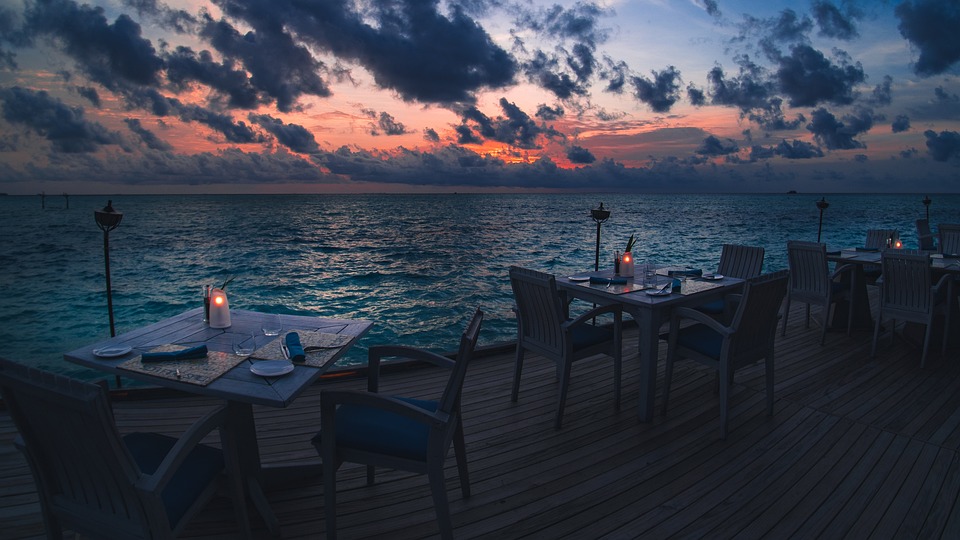
Island destinations are often associated with honeymoons, but they also suit couples looking for rest and privacy. The appeal usually lies in the simplicity of daily routines — swim, eat, walk, rest.
Places like the Maldives are known for seclusion, while many Caribbean islands offer a blend of culture, nature, and social energy.
Mountains & Nature
For couples who connect through the outdoors, mountain and nature-focused destinations often feel deeply romantic. The Swiss Alps appeal to those who enjoy structure and scenery, while regions like Patagonia attract travelers drawn to scale and solitude.
Nature-based trips tend to emphasize shared effort — hiking, driving long distances, or adapting to weather — which can strengthen connection in subtle ways.
Featured Honeymoon & Couple Travel Guides
Romantic travel inspiration often starts with broad ideas before narrowing into specifics. Editorial guides that explore the best honeymoon destinations usually focus on mood rather than rankings, helping couples imagine what a place might feel like rather than what it offers on paper.
Similarly, comparisons between budget-conscious and more indulgent honeymoon ideas tend to work best when framed around comfort and priorities, not cost alone. A thoughtfully planned domestic trip can feel just as meaningful as an international journey, depending on timing and expectations.
For couples deciding between international and domestic honeymoons, factors like travel fatigue, available time, and emotional bandwidth often matter more than distance. The most useful guides are those that respect these trade-offs and leave room for personal interpretation.
Seasonal Romantic Travel Ideas
Seasonality shapes romantic travel in quiet but important ways.
Winter trips often lean toward coziness. Snowy landscapes, warm interiors, and slower days can encourage reflection and closeness. For some couples, winter travel feels grounding rather than limiting.
Summer escapes tend to be more social and expansive. Longer days, outdoor dining, and coastal settings invite movement and spontaneity. These trips often feel lighter, even when destinations are busy.
Festive travel around Christmas or New Year brings a different kind of romance. Shared traditions, unfamiliar celebrations, and a sense of pause between years can make these trips feel symbolic, especially for couples marking transitions.
Discovery-driven travel — choosing a destination based on curiosity rather than reputation — works in any season. These trips often align well with how people actually encounter travel inspiration today, through stories rather than lists.
Planning Romantic Travel Without Overthinking
Romantic trips don’t benefit from over-planning. In many cases, the most meaningful moments happen in the gaps — an unplanned café stop, a long walk, a change of plans due to weather.
Emotional alignment is often more important than logistics. Talking openly about what each person hopes for can prevent small disappointments from becoming bigger ones.
Flexibility matters too. Allowing a trip to evolve naturally can make it feel more personal and less performative. This is especially true for honeymoons, where expectations are often high.
Simplicity tends to work well. Fewer locations, more time in each place, and realistic daily plans can make romantic travel feel restorative rather than demanding.
Final Thoughts: Romance Is About the Experience, Not the Place
Romantic travel isn’t defined by geography. It’s shaped by attention, presence, and the willingness to share time intentionally.
Honeymoons are one chapter in that story — an important one, but not the only one. Over time, couples often find that romance shows up in unexpected places, on trips that weren’t meant to be extraordinary.
What lasts isn’t the destination itself, but the way it felt to experience it together.
Honeymoon Travel FAQs & Planning Questions
Planning a honeymoon often comes with more questions than answers—especially for couples traveling together for the first time. From choosing the right destination to deciding the best time to travel, honeymoon planning is rarely one-size-fits-all.
This section brings together practical, real-world honeymoon questions that couples commonly ask while researching romantic travel. These guides are designed to help you understand:
-
How to choose a honeymoon destination that suits both partners
-
When to travel based on season, weather, and crowd levels
-
The difference between budget, mid-range, and luxury honeymoons
-
Whether domestic or international honeymoons make more sense
-
How long a honeymoon should ideally be
-
Common mistakes couples make while planning their first trip together
Each question is answered with a balanced, experience-driven approach, focusing on comfort, expectations, and realistic planning rather than trends or sales-driven advice.
If you are still exploring ideas, these FAQs can help you narrow down what kind of honeymoon experience truly fits your relationship—whether that means a quiet beach escape, a cultural city break, or a slow-paced nature retreat.