

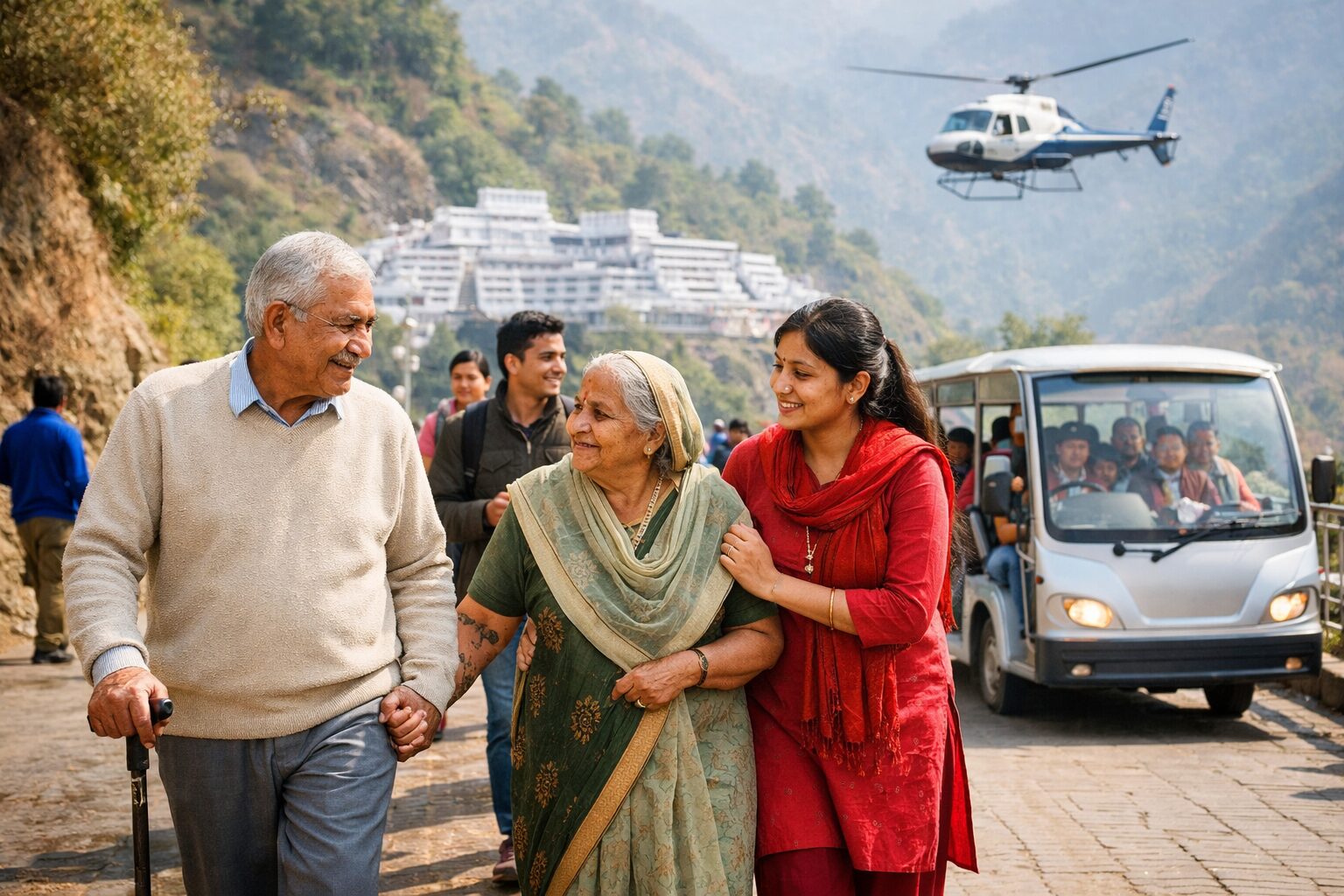

Planning a Vaishno Devi Yatra with elderly parents often comes with a very specific question in Indian families: “What support systems are actually available if they get tired?” Beyond faith and intention, families want reassurance that comfort options exist — without feeling that they are taking shortcuts or compromising devotion.
This article is written to answer that concern honestly. It explains how senior citizens usually experience the yatra, and clearly outlines utilities such as the battery car service from Ardhkuwari and the helicopter facility from Katra. The focus is not on pushing anyone to complete the journey, but on helping families understand how these services are commonly used to reduce strain.
The intention is simple: to help Indian families plan with clarity, dignity, and emotional ease — knowing that support exists if needed, and that adjusting the journey is both common and culturally accepted.
Who This Journey Is Suitable For
For senior citizens, suitability depends less on age and more on how comfortably they handle walking, waiting, and long travel days. Utilities like battery cars and helicopters have changed how many families think about the yatra, especially when parents are involved.
Age and Adaptability
Many pilgrims in their 60s and early 70s undertake the journey with family support. Seniors who can walk short distances at a relaxed pace often feel reassured knowing that assisted options are available at specific stretches. The presence of utilities does not remove effort entirely, but it reduces anxiety around exhaustion.
Emotional Willingness Matters
Some elders strongly wish to walk as much as possible. Others feel peaceful knowing they can rely on assisted movement if required. Families benefit when they discuss these preferences openly before starting, instead of deciding only when fatigue sets in.
Family Structure and Support
Joint-family travel works particularly well when seniors are involved. One person can stay close to the elder while others manage logistics. Utilities are easier to access calmly when someone is consistently assigned to accompany the senior family member.
Age and Comfort Perception
| Age Group | Typical Experience | Role of Utilities |
|---|---|---|
| 55–60 | Often manageable with pacing | Optional reassurance |
| 60–65 | Mixed comfort levels | Used selectively |
| 65–70 | Slower pace common | Frequently helpful |
| 70+ | Highly individual | Often essential for ease |
This table is meant for reflection, not to set limits.
How Indian Families Usually Experience This
Indian families rarely treat the yatra as a strictly physical task. It is an emotional and spiritual event where decisions evolve along the way, especially when elders are present.
Walking Until Comfortable
Many families begin the journey on foot and decide later whether to use utilities. Seniors often prefer to attempt some portion of the path, even if they eventually switch to assisted options. This approach preserves emotional satisfaction while respecting physical comfort.
Battery Car as a Midway Support
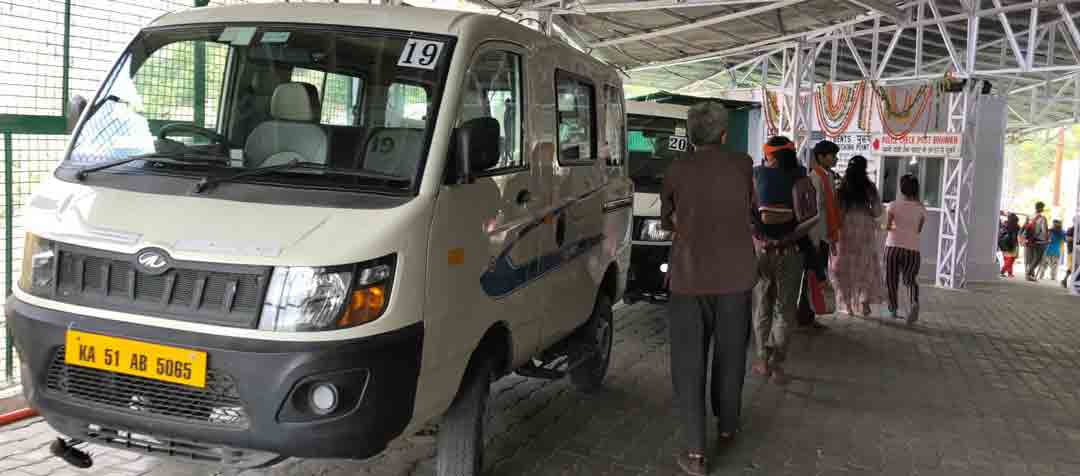
The battery car service between Ardhkuwari and Bhawan is commonly used by senior citizens. Families often view this as a practical pause rather than a replacement for devotion. For elders, it reduces strain on steeper or more tiring sections.
Helicopter as a Planning Choice
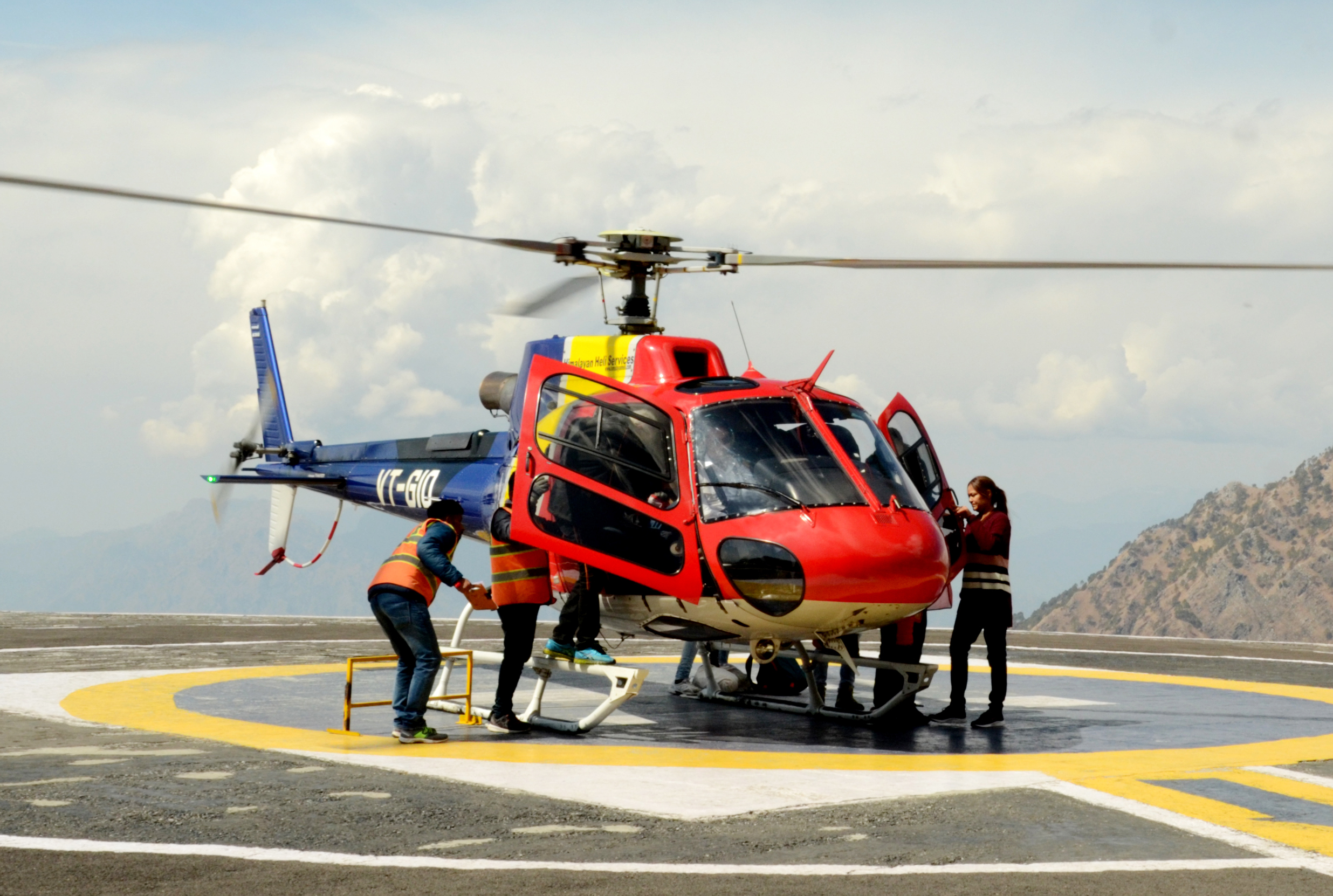
The helicopter service from Katra is usually chosen by families who want to avoid prolonged walking altogether or who are concerned about an elder’s stamina. Many seniors feel relieved knowing this option exists, even if they ultimately decide based on how they feel closer to the journey date.
Shared Decision-Making
Indian families tend to reassess together. Elders’ comfort, crowd levels, and weather all influence whether utilities are used. This shared approach reduces guilt or pressure on the senior pilgrim.
Physical Comfort and Pacing Considerations
Even with utilities available, pacing remains important for senior citizens.
Walking in Manageable Segments
Short, steady walks feel easier than long uninterrupted stretches. Seniors often prefer walking up to a point they feel confident about, then switching to assisted options if needed.
Waiting Time and Fatigue
Waiting — whether for darshan, battery car boarding, or helicopter reporting — can feel more tiring than movement itself. Families should mentally prepare elders for waiting periods and use them as rest time rather than sources of stress.
Temperature and Exposure
Helicopter travel reduces physical exertion but does not remove exposure to changing weather at higher points. Light layering and hydration awareness help maintain comfort regardless of the chosen mode.
Pace vs Fatigue Awareness
| Movement Style | Senior Comfort | Fatigue Tendency |
|---|---|---|
| Slow walking + rests | Generally comfortable | Low |
| Walking + battery car | Balanced | Medium |
| Helicopter only | Physically easy | Low, waiting-related |
| Rushed mixed modes | Stressful | High |
Utilities Available for Senior Citizens
This is often the most important section for families planning with elders.
Battery Car Service
Battery cars operate on designated stretches, most notably between Ardhkuwari and Bhawan. They are commonly used by senior citizens, families with children, and those feeling tired mid-way. The experience is generally calm, but availability depends on demand and timing.
Helicopter Service from Katra
Helicopter services operate between Katra and Sanjichhat. From Sanjichhat, pilgrims walk a shorter distance to Bhawan. Seniors often find this manageable, especially when walking long distances is a concern. However, weather conditions and reporting schedules influence operations.
Emotional Acceptance of Utilities
In Indian families, elders sometimes worry that using such facilities reduces the spiritual value of the yatra. In practice, most families view these utilities as enablers — allowing darshan with dignity and comfort rather than strain.
Utility Suitability Overview
| Utility | Physical Effort | Emotional Comfort for Seniors |
|---|---|---|
| Full walking | High | Mixed |
| Battery car | Moderate | High |
| Helicopter | Low | High |
| Mixed approach | Balanced | Very high |
Common Concerns and Misunderstandings
“Using Utilities Means Taking the Easy Way”
This belief causes unnecessary guilt. Many elders feel equally fulfilled spiritually when their family prioritises comfort and safety.
“We Must Decide Everything in Advance”
While some planning helps, many families decide on utilities based on how elders feel on the day. This flexible mindset reduces pressure.
“If One Uses a Utility, Others Must Too”
Families can split roles. Some members may walk while elders use assisted options, meeting later without issue.
Situations Where Extra Caution Is Advised
High Crowd Days
Battery car queues and helicopter reporting areas can feel crowded. Seniors may find these situations tiring if not paced calmly.
Tight Travel Schedules
Families trying to fit the yatra into a single rigid day often feel stressed. Elders benefit when time buffers are built in.
Social Pressure
Relatives or fellow pilgrims may comment on utility use. Families should shield elders from such pressure and reinforce that comfort comes first.
How First-Time Visitors in This Group Should Think
Keep Options Open
First-time senior pilgrims feel calmer knowing they are not locked into one mode of travel.
Focus on Experience, Not Method
For elders, peaceful darshan and family presence often matter more than how the journey is completed.
Accept Change Gracefully
Switching from walking to a utility mid-journey is common and does not diminish the experience.
Frequently Asked Questions
Is the battery car suitable for senior citizens?
Yes, it is widely used by elderly pilgrims. Families often rely on it to reduce fatigue on steeper sections.
Can senior citizens use the helicopter service comfortably?
Many do. It significantly reduces walking, though short distances and waiting time still remain.
Is it necessary to pre-decide between walking and utilities?
Not always. Many families decide based on how elders feel during the journey.
Do utilities reduce the spiritual value of the yatra?
Most families and elders do not feel so. Comfort and intention are considered more important.
What if an elderly parent feels tired after starting to walk?
This is common. Families usually pause and consider battery car or rest options calmly.
Are utilities available throughout the year?
Availability can vary based on weather and crowd conditions. Flexibility helps.
Can one family member walk while another uses a utility?
Yes. Families often regroup at common points without difficulty.
Is helicopter travel suitable for first-time senior pilgrims?
Many first-time seniors find it reassuring, especially when walking long distances feels uncertain.
Conclusion
For families planning a Vaishno Devi Yatra with parents or senior citizens, knowing about utilities like the battery car and helicopter service changes the conversation entirely. These options exist to support devotion, not replace it. When families plan with flexibility, respect elders’ comfort, and remain open to adjusting the journey, the experience often feels calmer and more meaningful. Every family, and every senior pilgrim, experiences the yatra differently — and thoughtful planning allows that experience to unfold with dignity and peace.
[…] most situations, yes, Vaishno Devi Yatra is considered relatively safe for women traveling alone, especially compared to many unorganized […]
[…] guide is written specifically for parents and grandparents planning a Vaishno Devi yatra with children. It focuses on comfort, safety, realistic expectations, and practical planning, so […]