

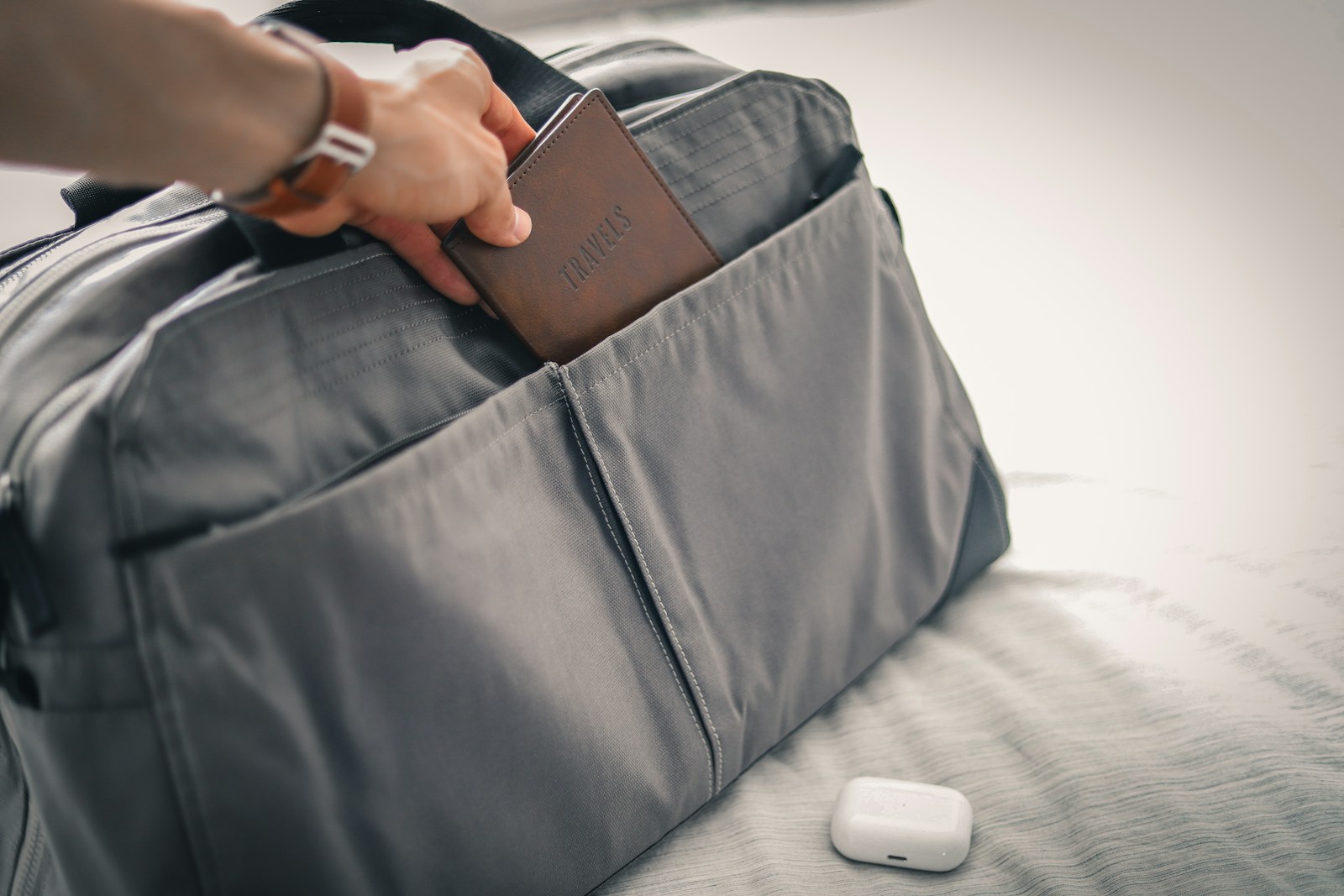

Headed to New York City and staring at your suitcase? This smart, season-proof packing guide gives you exactly what to bring (and what to skip) for subways, skylines, Broadway nights, and brisk Hudson River breezes. Pack lighter, look local, and stay comfortable from sunrise coffee to late-night slices.
Key Takeaways
- Layers win NYC. Weather flips fast; pack mix-and-match pieces.
- Comfort-first shoes. You’ll walk miles—even when you don’t plan to.
- Small, secure day bag. Crossbody beats backpack in tight spaces.
- Dress code: smart-casual. Black, neutrals, and clean sneakers fit right in.
- Rain happens. Bring a compact umbrella or packable rain shell year-round.
Quick Facts for NYC Packing
- Seasons: Winter can be icy and windy; spring and fall are changeable; summer is hot and humid.
- Vibe: Elevated casual by day, smart-casual at night. Dark colors are common.
- Power: Type A/B plugs, 120V. Bring a universal adapter if you’re from abroad.
- Transit: Contactless cards/phones are widely accepted on subways and buses (OMNY).
- Water: NYC tap water is drinkable—pack a reusable bottle to refill.
- Air travel liquids: In the U.S., the TSA 3-1-1 rule applies for carry-ons (3.4 oz/100 ml bottles in a quart-size bag).
The NYC Packing List
Essentials for any season
- Lightweight, weather-ready jacket (packable rain shell or trench).
- 2–3 breathable tops you can layer; add one nicer blouse/shirt.
- 1–2 pairs of pants (dark jeans or tailored trousers) plus optional casual joggers.
- Comfortable walking shoes with cushioning and grip; add low-profile sneakers you can dress up.
- Crossbody bag with zipper; anti-theft features are a bonus.
- Compact umbrella and packable tote for markets or extra layers.
- Reusable water bottle and small hand sanitizer.
Footwear that survives the city
- Primary pair: Supportive sneakers or waterproof leather trainers.
- Backup pair: Flats or ankle boots (spring/fall) or breathable sneakers (summer).
- Winter add-on: Waterproof boots with traction; warm socks.
- Avoid: New shoes and thin-soled fashion sneakers; your feet will protest.
Outerwear by season
- Winter (Dec–Feb): Insulated coat, warm hat, gloves, scarf. Wind off the rivers can feel extra cold.
- Spring (Mar–May): Light coat or trench + thin sweater; sudden showers are common.
- Summer (Jun–Aug): Ultralight layer for strong indoor A/C; sun hat and sunglasses.
- Fall (Sep–Nov): Medium-weight jacket, cardigan, and a scarf for cool evenings.
Clothing by season
- Spring/Fall: 2 tees, 1 long-sleeve, 1 sweater, dark jeans, chinos, day-to-night shirt/dress.
- Summer: Breathable tops (linen/cotton), loose trousers/skirts, one elevated outfit, moisture-wicking socks.
- Winter: Thermal base layers, wool sweater, thick socks, warm pajamas. Consider heat packs for outdoor time.
Day bag and security
- Small crossbody fits most venues; some museums/theaters ask backpacks to be checked.
- Keep essentials front-facing on subways and in crowds; use interior zip pockets.
- Apple/Tile tag in luggage for peace of mind.
Toiletries and health
- Travel-size skincare; lip balm and hand cream (winter air and handwashing are drying).
- Med kit: blister plasters, pain reliever, bandages, motion relief if boats are planned.
- Refillable minis to comply with the 3-1-1 liquids rule if flying carry-on.
Tech and documents
- Phone + wired earbuds (handy for audio guides and phone dead zones).
- Portable charger and short charging cables (USB-C/Lightning as needed).
- Digital wallet set up for tap-to-pay transit and shops.
- ID/Passport, travel insurance info, and a photo of key docs stored offline.
Best Time to Visit (for packing)
If you want the easiest packing, target late April–June or late September–October. You can live in layers and comfortable shoes without heavy winter gear or the peak summer heat. Winter is magical for holidays but bulky; summer delivers rooftop season—pack breezy fabrics and sunscreen.
What not to pack (and why)
- Bulky heels or delicate shoes: Sidewalks and subway stairs are unforgiving.
- Huge umbrella: Go compact; wind tunnels flip big ones easily.
- Excess outfits: Plan a capsule wardrobe; laundry and stores are everywhere.
- Oversized backpack for daily use: Many venues ask you to check it.
- Restricted items: New York has strict rules on certain knives and other items; when in doubt, leave it. (This is not legal advice.)
Packing for specific plans
Broadway and nicer dinners
- Dress code: Smart-casual rules—dark jeans or trousers, clean sneakers or low boots, a neat top or simple dress. No need for formal wear unless you want it.
- Bag size: Bring a small crossbody; large bags may need to be checked.
Museums and galleries
- Layers: Climate-controlled interiors can feel cool.
- Bag policy: Some museums require checking backpacks; a small shoulder bag is easiest.
Rooftops, lounges, and speakeasies
- Elevated basics: Dark jeans/trousers, sleek top, and minimalist sneakers or boots.
- Outer layer: Even in summer, nights can be breezy up high.
Parks, ferries, and rainy days
- Staten Island Ferry/river walks: Windproof layer and sunglasses.
- Central Park/High Line: Cushioned shoes; optional picnic blanket or packable tote.
- Rain plan: Compact umbrella plus quick-dry socks.
Safety, etiquette, and practical tips
- Subway smarts: Keep your bag closed, remove backpacks in crowded cars, and stand clear of doors.
- Escalators: Stand to the right; let people pass on the left.
- Cash vs. cards: Cards and tap-to-pay are widely accepted; carry a little cash for small spots.
- Weather swings: Check the forecast each morning; swap layers accordingly.
Common packing mistakes to avoid
- Ignoring rain and wind. A light shell and compact umbrella save the day.
- Bringing brand-new shoes. Break them in first.
- Overpacking outfits. Stick to a neutral capsule and add a pop accessory.
- Forgetting a second pair of shoes. Rotating helps with blisters and rain.
- Skipping a warm layer in summer. Indoor A/C can be chilly.
Suggested alternatives if you forget something
- Basics and layers: Department stores, fast-fashion chains, and outdoor shops are plentiful across Manhattan and Brooklyn.
- Pharmacies: Drugstores on many corners carry travel-size toiletries and first-aid.
- Bad weather gear: Street vendors often sell inexpensive umbrellas; quality varies, so buy a compact one if you can.
FAQs
What should I wear to a Broadway show?
Smart-casual is perfect: dark jeans or trousers, a neat top or simple dress, and clean sneakers or boots. Only special events call for formal wear.
Do I need a big coat in winter?
If you’re visiting between December and February, pack a warm insulated coat, hat, gloves, and scarf. Wind can make temps feel colder, especially near the rivers.
Are backpacks allowed in museums?
Policies vary. Many museums allow small bags but ask you to check large backpacks or wear them on your front. A compact crossbody is easiest.
Can I wear sneakers to nice restaurants?
Usually yes—clean, minimalist sneakers paired with a sharp outfit are widely accepted, though a few upscale spots prefer dressier footwear.
Is an umbrella necessary?
It’s worth packing a compact one year-round. Weather can change quickly, and summer storms pop up.
Do I need a power adapter?
If you’re from the U.S., no. International travelers should bring a Type A/B-compatible adapter and check device voltage (NYC uses 120V).
Will I need cash?
Cards and contactless payments work almost everywhere. Carry a small amount of cash for tips, small vendors, or minimums.
Conclusion
Pack light, think layers, and prioritize comfort. With supportive shoes, a weather-ready jacket, and a sleek smart-casual outfit, you’ll be ready for museums, rooftops, parks, and curtain calls—without lugging a heavy bag. NYC rewards travelers who move easily and adapt quickly, and your suitcase should do the same.