

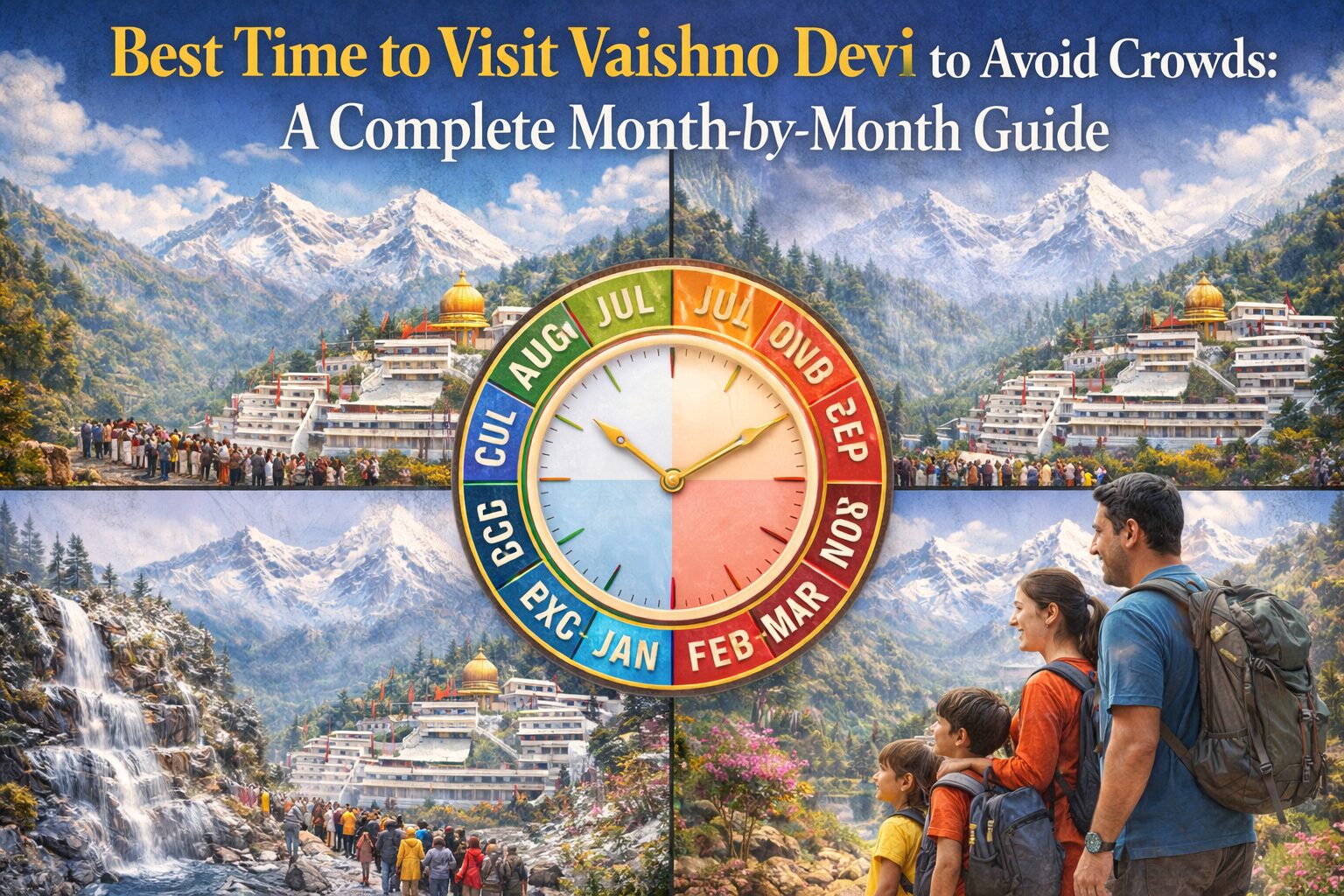

Best Time to Visit Vaishno Devi to Avoid Crowds: A Complete Month-by-Month Guide
Quick Answer: The Best Time to Visit Vaishno Devi to Avoid Crowds
If your priority is minimum crowds and smoother darshan, the best time to visit Vaishno Devi is generally:
- Mid-January to mid-March (excluding any festival dates)
- Mid-July to late August (non-Shravan days and avoiding weekends)
- Weekdays (Mon–Thu) at any time of year, but especially outside school holidays and long weekends
During these periods, the weather can be cold or rainy, but footfall is usually lower compared to peak festival and holiday seasons. If you are willing to face a bit of weather inconvenience, you’re likely to get a more peaceful experience.
Understanding Crowd Patterns at Vaishno Devi
Before you pick dates, it helps to understand what actually causes crowd spikes at Vaishno Devi:
1. Major Festivals and Navratri
Vaishno Devi is especially crowded during:
- Chaitra Navratri (around March–April)
- Sharad Navratri (around September–October)
- Dussehra
- Diwali
- Holi
These periods see heavy pilgrim inflow from across India. The atmosphere is very festive and devotional, but queues are long and waiting times for darshan increase significantly.
2. Summer Holidays and Long Weekends
Expect higher crowds when:
- Schools and colleges are on summer vacation (May–June)
- There are national holidays like 15 August, 26 January, 2 October
- A holiday falls close to a weekend, creating a long break
Families and larger groups typically plan trips during these windows, pushing up numbers on the track, at the Bhawan, and in Katra.
3. Weekends vs Weekdays
The difference between a Saturday and a Tuesday can be significant. Even in relatively off-peak months:
- Friday night to Sunday evening tends to be busier
- Monday to Thursday is usually more manageable
If your dates are flexible, pick mid-week days for a calmer yatra.
4. Weather-Driven Crowds
Weather plays a big role in crowd patterns:
- Pleasant weather (March–April, September–October) attracts maximum pilgrims
- Extreme cold (Jan–Feb) and heavy rain (Jul–Aug) deter some people, reducing crowds
If you are prepared for cold or rain and can walk carefully, these less pleasant weather periods can work in your favour for lower crowds.
Month-by-Month Guide to Crowds at Vaishno Devi
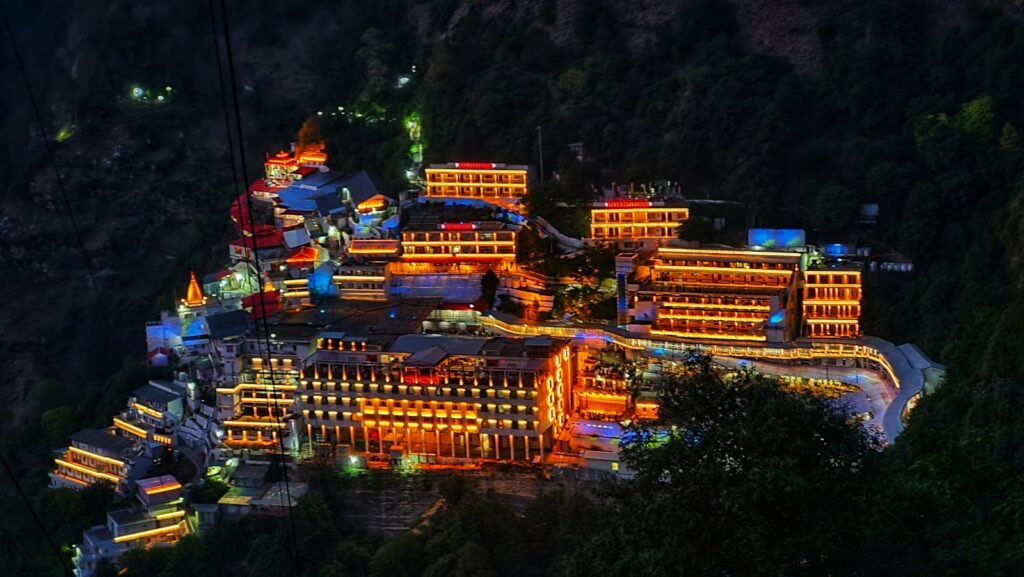
Below is a practical breakdown by month, considering weather, festival calendars, and expected rush. Exact conditions can vary each year, but these are reliable general patterns.
January
Weather: Very cold, with chances of snowfall on upper stretches like Bhawan and Bhairon Baba.
Crowds:
- First week of January: Moderate crowds due to New Year pilgrims.
- Mid to late January: Generally lower footfall, especially on weekdays.
Verdict for avoiding crowds: Good from mid-January onwards if you can handle cold weather and possibly slippery paths. Carry adequate winter clothing.
February
Weather: Cold but slightly better than January. Nights are still very chilly at Bhawan.
Crowds: Typically low to moderate, except around any specific festival dates or long weekends.
Verdict: One of the best months for fewer crowds and relatively stable weather. Weekdays are particularly peaceful.
March
Weather: Transition month. Lower stretches become pleasant; upper stretches remain cool.
Crowds:
- Early March: Generally moderate.
- Around Chaitra Navratri and Holi: Very high crowds. Expect long queues, limited availability of rooms, and busier helicopters and ponies.
Verdict: Good if you visit in the first half of March and avoid Navratri. Otherwise, it becomes a peak season.
April
Weather: Pleasant and popular, often considered an ideal climatic time.
Crowds: High, especially during or just after Chaitra Navratri. Even non-festival days are busier because of favourable weather and school exams getting over in many regions.
Verdict: Not ideal for crowd avoidance. Good for weather and festive vibes, but not if your main goal is peace and empty queues.
May
Weather: Warm to hot in Katra; still manageable and cooler as you climb.
Crowds: High. This is peak family travel season due to school holidays. You can expect packed trains, busy roads, and longer waiting times for darshan.
Verdict: Avoid if your top priority is fewer crowds.
June
Weather: Hot and sometimes humid in Katra. The trek may feel tiring during the day.
Crowds: Still high because of ongoing vacations and hill tourism in Jammu & Kashmir.
Verdict: Another month to avoid if you are sensitive to heat and rush. If you must go, try late nights or very early mornings on weekdays.
July
Weather: Monsoon sets in. Expect rain, wet paths, and occasional landslides in the region, though the shrine board works to maintain the track.
Crowds:
- Early July: Still moderate to high.
- Mid to late July: Crowds often reduce due to rains, though exact pattern depends on the Shravan/monsoon calendar.
Verdict: Can be good for avoiding crowds in the second half of the month, but you must be prepared for rain, slippery sections, and delays.
August
Weather: Peak monsoon, intermittent or continuous rain. Cloud cover, mist, and cooler temperatures on the track.
Crowds:
- Shravan month and key Sawan dates: Can see elevated religious footfall.
- Non-festival weekdays: Often lower crowds compared to pleasant-weather months.
Verdict: A strategic choice for crowd avoidance if you visit on non-Shravan weekdays and carry proper rain gear. Avoid long weekends and key religious dates.
September
Weather: Monsoon starts retreating. Conditions become more pleasant, with less rain and comfortable temperatures.
Crowds:
- Early September: Moderately crowded.
- Around Sharad Navratri (late Sept or early Oct): Crowds rise sharply.
Verdict: The first half of September (excluding weekends) can be a reasonably good compromise between weather and crowds. Avoid the Navratri period.
October
Weather: One of the best months for climate—pleasant days and cool nights.
Crowds: High, primarily due to Sharad Navratri, Dussehra, and early Diwali travel. Many devotees deliberately choose this time for its auspiciousness.
Verdict: Excellent for festive atmosphere and comfortable weather, but poor for avoiding crowds.
November
Weather: Cool and quite pleasant, gradually getting colder towards the end of the month.
Crowds:
- During Diwali and immediately around it: High crowds.
- Rest of November: Typically moderate. Footfall often reduces after the festive peak.
Verdict: Good for those looking for a balance of comfort and manageable crowds, especially after Diwali and on weekdays.
December
Weather: Cold and foggy at times, especially in the latter half of the month.
Crowds:
- Christmas to New Year period: High crowds, as many people plan a combined holiday and yatra.
- Early December: Generally moderate to low, depending on weekends and special events.
Verdict: Early December weekdays can offer fewer crowds with manageable cold. Avoid the last week of December if you dislike rush.
Best Seasons to Visit Vaishno Devi with Fewer Crowds
Winter (Mid-January to Early March)
Why it’s good:
- Lower footfall compared to festivals and holidays.
- Atmosphere feels quieter and more contemplative.
- Accommodation in Katra is usually easier to find and may be more reasonably priced. Pricing is approximate and may vary.
What to watch out for:
- Very cold temperatures at night, especially near Bhawan.
- Possibility of snow on higher stretches, which can make paths slippery.
- You’ll need layered clothing, gloves, cap, and good shoes with grip.
Monsoon (Mid-July to Late August)
Why it’s good:
- Some pilgrims avoid travel during heavy rains, leading to comparatively lower crowds on many days.
- The surroundings turn lush and green, making the trail scenic.
What to watch out for:
- Slippery paths and possibility of waterlogging in some stretches.
- Occasional disruptions in road or rail connectivity due to weather in the wider region.
- Higher humidity and the need for waterproof gear.
Transitional Periods (Early September & Post-Diwali November)
Why they’re good:
- Weather is relatively pleasant.
- Crowds are more controlled compared to Navratri, Diwali, and summer vacation peaks.
What to watch out for:
- Need to carefully check festival dates and avoid those windows.
- Still not as empty as deep off-season (Jan–Feb), so expect some queues.
Best Days of the Week and Time of Day for a Quieter Yatra
Choosing the Right Day
Beyond months and seasons, day-of-week choice plays a major role in how crowded your yatra feels.
- Best days: Monday, Tuesday, Wednesday, Thursday.
- Avoid if possible: Friday evening to Sunday night.
- Also avoid public holidays and their adjoining days, even if they fall mid-week.
Best Time of Day to Start the Trek
To minimise crowds and heat:
- Start late at night (around 10 pm to 1 am) from Katra, reaching Bhawan in the early morning hours for darshan before daytime rush builds.
- Or start very early morning (around 3–4 am), aiming to reach Bhawan by mid-morning.
Night and early-morning climbs are usually cooler and less crowded, although weekends and special dates can remain busy even then.
Helicopter, Pony, and Battery Car Considerations
Crowds don’t just affect the Bhawan; they also influence availability of helicopter tickets, ponies, palanquins, and battery cars.
Helicopter Services
Helicopter seats are limited and in high demand during peak seasons and festivals. To improve your chances of finding availability:
- Travel in off-peak months like February or mid-July to August.
- Prefer weekdays over weekends.
Even in off-peak periods, booking as early as possible is strongly recommended. Pricing is approximate and may vary.
Ponies, Palkis, and Battery Cars
On crowded days, the demand for ponies and palanquins increases, especially for elderly or mobility-challenged pilgrims. By choosing less busy months and mid-week dates, you will likely:
- Face shorter waiting times for services.
- Experience less congestion on narrow sections of the trail.
Who Should Avoid Extreme Off-Peak Seasons?
While off-peak months like January–February and mid-monsoon reduce crowds, they may not suit everyone.
Not Ideal For:
- Very elderly pilgrims sensitive to cold or uneven, slippery paths.
- Families with very young children who may struggle with harsh weather.
- Pilgrims with respiratory or cardiac issues, as cold and altitude can feel more taxing.
May Be Ideal For:
- Physically fit individuals who can manage cold or rain in exchange for fewer crowds.
- Solo travellers and small groups seeking a more inward, peaceful experience.
- Devotees who have already visited in peak season and now want a quieter darshan.
Practical Tips to Minimise Crowds During Your Vaishno Devi Yatra
1. Avoid Peak Festival Windows
Whatever month you choose, check the dates of:
- Chaitra Navratri
- Sharad Navratri
- Dussehra and Diwali
- Holi
Try to plan your visit at least 5–7 days before or after these events for relatively calmer conditions.
2. Prefer Shoulder Days
For a 3–4 day yatra, prioritise:
- Arriving in Katra on Monday or Tuesday.
- Planning the main trek and darshan between Monday and Thursday.
- Avoiding starting the trek on Friday evening or Saturday.
3. Start Your Climb at Off-Hours
Instead of daytime starts, when many groups begin together, choose:
- Late-night start with early-morning darshan.
- Very early-morning start before sunrise.
This not only reduces exposure to daytime crowds but also helps avoid heat during warmer months.
4. Be Flexible with Dates
If you have some flexibility in travel dates, monitor:
- Hotel availability and typical weekend patterns.
- Information from the official shrine board channels regarding footfall trends.
Shifting your plan by even 1–2 days can sometimes make a noticeable difference in crowds.
5. Book Essentials in Advance
Even for off-peak visits, it is wise to:
- Reserve accommodation in Katra beforehand.
- Book helicopter tickets early if you plan to use them.
- Complete any required yatra registration through official channels.
This reduces last-minute stress and helps you focus on the spiritual aspect of the journey.
Sample Crowd-Aware Itinerary (2 Nights / 3 Days)
This is a sample plan assuming you visit in an off-peak month like February or August (non-festival weekdays). You can adjust timing based on your fitness and comfort.
Day 1: Arrival in Katra
- Arrive in Katra by afternoon or early evening.
- Check into your hotel and rest for a few hours.
- Collect your yatra registration slip if needed, and have an early dinner.
- Start trek around 10–11 pm (or sleep early and plan a 3–4 am start).
Day 2: Darshan at Bhawan
- Reach Bhawan in the early morning hours, aiming to avoid daytime rush.
- Have darshan and rest for some time, if required.
- Optional: Proceed further to Bhairon Baba, depending on your energy and weather.
- Descend back towards Katra slowly, taking breaks.
- Reach Katra by late afternoon or evening and stay overnight.
Day 3: Buffer and Departure
- Keep the morning free as a buffer in case of delays due to weather or extended darshan times.
- Depart Katra by afternoon or evening.
Having a buffer day or at least half-day helps absorb any unexpected wait times without creating anxiety around train or flight connections.
Common Mistakes to Avoid When Planning for Fewer Crowds
- Only checking the month and ignoring festival dates: A supposedly off-peak month can still be packed if it coincides with Navratri or another big festival.
- Underestimating weekends: Even in January or August, a Saturday can feel far more crowded than a Tuesday.
- Not preparing for weather: Choosing winter or monsoon to avoid crowds but turning up in inadequate clothing or footwear can make the journey uncomfortable or unsafe.
- Last-minute bookings: Assuming off-peak means unlimited availability. Helicopter seats and good hotels can still fill up quickly.
- Not allowing enough time: Planning too tight a schedule leaves you stressed if queues or walking take longer than expected.
Balanced Recommendations by Traveller Type
For Families with Children
Consider post-Diwali November or early December weekdays. Weather is tolerable and crowds are relatively manageable, though not as empty as deep off-season. Avoid heavy rain periods and harsh cold if travelling with very young kids.
For Elderly Pilgrims
Aim for late November, early March (excluding Navratri), or early September. These windows balance weather comfort and moderate crowds. Prioritise mid-week visits and consider using ponies, palkis, or helicopters where advisable.
For Solo Travellers and Small Groups
If fitness and flexibility are not issues, February, mid-July to late August (non-festival weekdays), and mid-January can offer the quietest atmosphere. You’ll need to prepare seriously for weather but will likely experience shorter queues and more space on the path.
For Those Seeking Festive Vibes
If crowds are not your main concern and you want maximum spiritual energy and celebration, then Chaitra Navratri, Sharad Navratri, and around Dussehra are the most charged periods. This guide is focused on avoiding crowds, but it’s worth knowing that these are the busiest yet most devotional times.
FAQ: Best Time to Visit Vaishno Devi to Avoid Crowds
1. Which month has the least crowd in Vaishno Devi?
Generally, February and mid-January tend to have the least crowds, provided there are no major festivals or long weekends. Mid-monsoon weeks in July–August can also be quieter on non-festival weekdays, but weather risks are higher.
2. Is Vaishno Devi crowded throughout the year?
Footfall is significant all year, but intensity varies greatly. Peak crowds occur during Navratri, summer vacations, and major festivals. In contrast, winter months (except New Year) and some monsoon weeks see noticeably lower numbers.
3. How many days are enough for a Vaishno Devi trip if I want a relaxed pace?
For a calm experience with some buffer, plan at least 2 nights and 3 days. This gives you enough time to arrive, rest, trek at an unhurried pace, have darshan, and handle any weather or crowd-related delays.
4. Is it better to start the Vaishno Devi trek at night to avoid crowds?
Starting the trek at night or very early morning usually helps avoid both heat and peak daytime crowds. Many pilgrims prefer a 10 pm–1 am start to reach Bhawan by early morning, which often feels calmer than midday.
5. Are helicopter tickets easier to get in the off-season?
Yes, off-peak months and weekdays usually offer slightly better chances of securing helicopter tickets. However, availability can still be limited, so advance booking through official channels is advisable regardless of the season.
6. Should I completely avoid visiting during Navratri?
If your main goal is to avoid crowds, it’s better to avoid both Chaitra and Sharad Navratri. If your priority is spiritual fervour and celebrations, you may deliberately choose Navratri but should be prepared for very heavy crowds and longer waiting times.
7. Is monsoon a safe time to visit Vaishno Devi?
Monsoon brings rain, slippery paths, and occasional disruptions, but the shrine board works to maintain the route. It can be safe if you wear proper footwear, use rain protection, and walk carefully. Always follow local advisories about weather and trail conditions.
8. How cold does it get at Vaishno Devi in winter?
In December to February, temperatures at Bhawan can drop close to or even below freezing, with wind chill making it feel colder. Adequate woollens, gloves, caps, and layered clothing are essential if you choose winter for fewer crowds.
9. Is weekday travel always less crowded than weekends?
Weekdays are usually less crowded, but not always. During major festivals, school vacations, or special religious dates, crowds can remain high even on weekdays. Still, for most off-peak times, Monday–Thursday is noticeably quieter than Friday–Sunday.
10. Can I get same-day accommodation in Katra in off-peak months?
In off-peak seasons like January–February or late monsoon, same-day rooms are easier to find, but it’s still better to book in advance. Prices can fluctuate depending on demand, events, and hotel category. Pricing is approximate and may vary.
Final Thoughts
The best time to visit Vaishno Devi to avoid crowds is a balance between weather comfort, your physical condition, and flexibility with dates. If you can handle cold or rain and prefer a quieter spiritual experience, mid-January to early March and mid-July to late August (on non-festival weekdays) are often ideal.
Whatever dates you choose, planning around festivals, weekends, and time of day will help you experience a more peaceful darshan and a yatra that feels less like a struggle and more like the inward journey it is meant to be.