

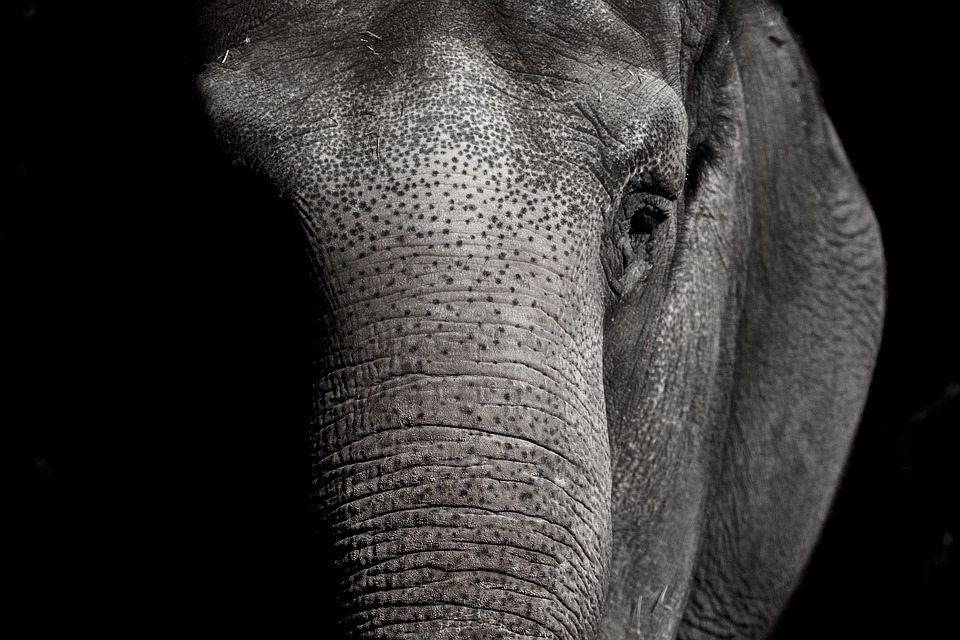

Short answer: you won’t see elephants at Toronto Zoo today. The zoo’s last elephants were moved to a California sanctuary in 2013. But don’t skip the trip—Toronto Zoo is one of the world’s great zoological parks, packed with incredible wildlife, huge indoor pavilions, and family-friendly experiences that more than fill a day. 🦒🐅
Do you see elephants at Toronto Zoo today?
No. Toronto Zoo no longer keeps elephants, and hasn’t since 2013, when its remaining elephants were relocated for welfare and climate reasons. If you grew up visiting the zoo’s old elephant habitat, it’s understandable to expect them—but the collection has evolved with animal care standards and Canada’s cold winters in mind.
Why the change happened
- Animal welfare first: Modern standards emphasize space, social herds, and warm-weather access that are hard to provide year-round in Toronto’s climate.
- Climate realities: Long, icy winters mean elephants would spend extended time indoors. That’s not ideal for such large, roaming animals.
- A thoughtful transition: The zoo decided to phase out elephants and focus on species that thrive better in Toronto. The final elephants were moved in 2013 to a warmer sanctuary setting.
It’s a bittersweet change for many locals, but it reflects the global shift toward species–climate fit and better long-term welfare.
So what can you see instead? Plenty.
Toronto Zoo is enormous—bring comfy shoes. You’ll find charismatic megafauna and fascinating rarities across seven geographic zones. Highlights often include:
- Giraffes and rhinos in the African Savanna 🦒
- Big cats like lions, tigers, and snow leopards
- Great apes and primates in expansive indoor habitats
- Reptiles, birds, and amphibians in well-curated pavilions
- Canadian species you won’t easily see elsewhere, from bison to polar bears
Even without elephants, you’ll easily fill 4–6 hours—more if you’re traveling with kids or love to linger at keeper talks.
Best time to visit
- Spring and fall: Cool temperatures mean animals are active and you’ll walk comfortably for miles.
- Summer: Peak season, lively atmosphere, longer hours—arrive early to beat heat and crowds. Bring a refillable bottle. 💧
- Winter: Don’t be shy! Toronto Zoo shines in cold months thanks to its indoor pavilions (Indo-Malaya, Africa, etc.). Dress warm; trails can be brisk, but the animals—and photos—are fantastic in crisp air.
Getting there and getting around
- Plan your route: The zoo sits in northeast Toronto. Driving is straightforward; transit is possible with a bit of planning.
- Use the zoo’s in-park transport wisely: Hop on the seasonal ride when available to save steps between far-flung zones.
- Do a loop, not a zigzag: The grounds are huge. Pick a direction and follow the loop to avoid backtracking.
- Strollers and wheels: The paths are paved but hilly in spots. A lightweight stroller helps with little legs. 🛞
Key takeaways for travelers
- There are no elephants at Toronto Zoo (since 2013).
- You’ll still see headliners: giraffes, rhinos, big cats, great apes, polar bears, and more.
- Allow a full day, especially with kids.
- Indoor pavilions make the zoo great even on cold or rainy days.
- Comfort first: walking shoes, layers, sunscreen or hat depending on season.
Where to see elephants near Toronto
If seeing elephants is a must for your trip, consider these options:
- Nearby U.S. zoos (about 3–6 hours by car, border crossing required): major Midwestern zoos such as those in Cleveland, Toledo, Columbus, and Pittsburgh are known for elephant habitats. Always confirm current exhibits before you go. 🗺️
- Within Ontario: Offerings change over time; some safari parks have housed elephants in the past. Check directly with any facility you’re considering to confirm current animals and programs.
Tip: If you’re planning a cross-border day trip, bring passports/NEXUS and check border wait times to keep your schedule on track.
Suggested half-day plan inside Toronto Zoo
Want a smooth, family-friendly route without backtracking?
- Start early at the African Savanna for active morning viewing (giraffes, rhinos, lions).
- Slide into an indoor pavilion around late morning for climate control and a snack break.
- Canada-focused exhibits after lunch for polar bears and northern species when the sun is strongest.
- Finish with primates and reptiles where you can linger indoors if the weather turns.
Common mistakes to avoid
- Arriving expecting elephants: Plan your must-see list around current animals.
- Underestimating distances: The zoo is big; pace yourself and take breaks.
- Skipping indoor habitats in winter/summer: Pavilions are lifesavers in extreme weather.
- Forgetting water and snacks: Refill and refuel so everyone stays cheerful. 😊
Quick facts box
- Location: Toronto, Ontario, Canada
- Currency: Canadian Dollar (CAD)
- Languages: English widely spoken; French also common in Canada
- Best seasons: Spring and fall for comfortable walking; winter is underrated thanks to indoor areas
- Typical visit length: 4–6 hours; a full day if you want everything
Safety tips & local etiquette
- Respect barriers: They protect both you and the animals.
- Quiet moments matter: Keep voices low near sensitive species and inside pavilions.
- Weather swings: Toronto can change fast—pack an extra layer or compact poncho.
- Scent-sensitive areas: Go easy on perfumes to keep animal senses and other visitors comfortable.
Food and family-friendly ideas
- Picnic strategy: Light snacks keep kids happy between exhibits. 🍎
- Keeper talks/feeds: Great for learning and photos—check the daily schedule at entry.
- Photo ops: Morning light is lovely over the savanna; afternoons glow near the tundra landscapes.
FAQs
Does the Toronto Zoo currently have elephants?
No. The last elephants left in 2013, and the zoo has not housed elephants since then.
Why did the Toronto Zoo stop keeping elephants?
Welfare standards and Toronto’s cold climate were key reasons. Providing year-round space, warmth, and social conditions that elephants need is challenging in this environment.
Where did the Toronto Zoo’s elephants go?
They were relocated to a warmer-climate sanctuary in 2013 as part of the zoo’s decision to phase out elephants.
If I want to see elephants near Toronto, what are my options?
Consider major U.S. zoos within a half-day drive (e.g., in Ohio and Pennsylvania). Always verify current exhibits before traveling, and remember you’ll need passports to cross the border.
What large animals similar to elephants can I see at Toronto Zoo?
You can often see giraffes and rhinos, plus polar bears, big cats, and great apes—plenty of “wow” moments for families.
Is winter a good time to visit Toronto Zoo even without elephants?
Yes. Indoor pavilions make winter visits enjoyable, and many animals are more active in the cold. Dress warmly and enjoy quieter paths.
How long should I plan for a visit to Toronto Zoo?
Plan 4–6 hours at minimum. With kids, keeper talks, and photo breaks, a full day is ideal.
Does Toronto Zoo plan to bring elephants back?
There’s no current program to bring elephants back. The zoo focuses on species that fit Toronto’s climate and conservation priorities.
Conclusion
While elephants are no longer part of Toronto Zoo, your visit can still be unforgettable. Come for the giraffes, rhinos, polar bears, big cats, and world-class indoor habitats; stay for the keeper talks, scenic trails, and conservation stories that inspire. Pack comfy shoes, plan a smart route, and enjoy one of Canada’s best family days out. 🐾