

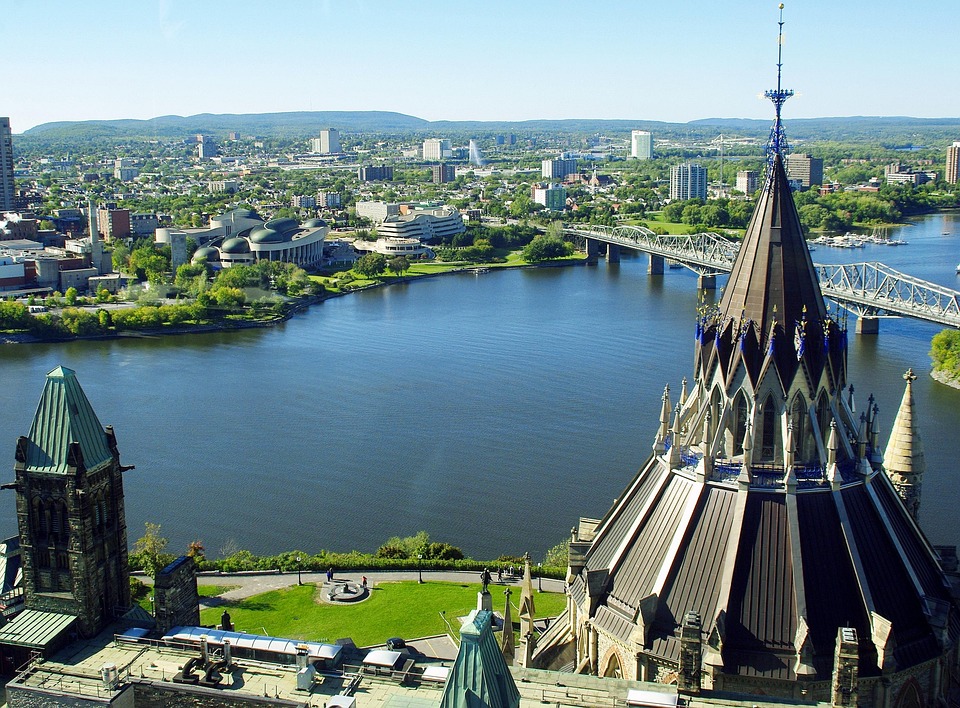
Planning a trip between Ottawa and Toronto? Here’s a clear, no-fuss guide to the distance, travel times, best routes, and costs by car, train, bus, and plane. Whether you’re rushing for a meeting or cruising for a weekend, you’ll know exactly what to expect—and how to make the journey smoother. 🚗✈️🚆
Key Takeaways for Travelers
- By road: About 450 km (280 miles) via the fastest highways; 4–5 hours depending on traffic and weather.
- By rail: Around 4–4.5 hours on direct intercity trains.
- By air: Flight time ~1 hour; door-to-door usually 3–4 hours.
- By bus: Typically 4.5–6.5 hours, often the cheapest option.
- Best time to go: Spring and fall for light traffic and mild weather.
Quick Facts Box
- Country: Canada
- Currency: Canadian Dollar (CAD)
- Languages: English and French
- Driving side: Right
- Typical highway speed limits: 100 km/h on major highways
- Main airports: Ottawa (YOW) and Toronto (YYZ/City Airport)
How to Reach: All the Ways to Go
Driving 🚗
Distance: Approximately 450 km (280 miles) using Highway 416 south to Highway 401 west, straight into the Greater Toronto Area. This is the fastest and most straightforward route.
Time: 4–5 hours in normal conditions. Add buffer for rush hours (weekday mornings into Toronto, late afternoons leaving Toronto) and holiday weekends.
Alternative scenic route: Highway 7 (about 400 km) across small towns and lakes. It’s pretty—especially in fall 🍁—but slower due to lower speeds and fewer passing lanes.
Tolls: No tolls on 416/401. The 407 ETR around Toronto is optional but can save time during heavy traffic. Charges are automatic if you use it.
Good to know: Winter driving can be snowy and icy. Keep your tank half-full, carry a scraper and emergency kit, and check weather/road conditions before departure.
Train 🚆
Time: Around 4–4.5 hours on direct corridor services between central stations. Trains are comfortable, with Wi‑Fi and the ability to work, read, or nap.
Best for: Travelers who value downtown-to-downtown convenience, predictable arrival times, and a relaxed ride. Business class often includes extra legroom and snacks.
Flight ✈️
Air distance: Roughly 350 km (about 220 miles) as the crow flies.
Time: Airborne time is ~1 hour, but door-to-door usually 3–4 hours after adding check-in, security, boarding, and transit to/from airports.
Best for: Those connecting to other flights or when fares are unusually low. City-center airport options in Toronto can reduce ground time if schedules fit.
Bus 🚌
Time: 4.5–6.5 hours depending on stops and traffic.
Why choose it: Often the lowest fare, frequent departures, and drop-offs near downtown. Pack snacks and a charger; not all coaches have power at every seat.
Cost Breakdown (Typical One-Way)
| Mode | Time | Approx. Cost (CAD) | Notes |
|---|---|---|---|
| Car | 4–5 h | $50–$90 fuel | No tolls if avoiding 407; parking downtown can be $15–$35/day |
| Train | 4–4.5 h | $55–$160 | Book early for lower fares; business class costs more |
| Flight | 3–4 h (door-to-door) | $100–$300 | Carry-on fees may apply; consider airport transfers |
| Bus | 4.5–6.5 h | $30–$80 | Cheapest option; longer on peak days |
Choosing the Best Option
- Fastest overall: Train for city-center to city-center reliability; flight only wins if you’re already at the airport or catching a connection.
- Best value: Bus for lowest fare; train with advance purchase is a smart comfort/value balance.
- Most flexible: Driving—stop in Kingston, Gananoque (Thousand Islands), or Prince Edward County for food and views. 😋🌊
Best Time to Travel
Spring (April–June): Mild temps and lighter traffic. Great for scenic stops and patio lunches.
Summer (July–August): Long days, but heavier cottage-country traffic on Fridays and Sundays. Start early or late.
Fall (September–October): Ideal weather and fiery foliage along Highway 7. 🍂
Winter (November–March): Expect snow/ice events; allow extra time. Trains shine when roads are messy.
Sample Mini-Itineraries
Direct and Done
Leave Ottawa after breakfast, quick refuel/coffee near Brockville or Kingston, and roll into Toronto by lunch. Simple, efficient, minimal stops.
Scenic Meander
Take Highway 7 to Perth for a bakery stop, continue to Sharbot Lake for a lakeside stretch, then rejoin faster highways near Peterborough. Arrive by sunset with great photos. 📸
Weather Overview
- Winter highs: around −5°C to 0°C; storms can slow highways.
- Summer highs: 24–30°C; thunderstorms are short but intense.
- Shoulder seasons: Comfortable, with fewer extremes—great for road trips.
Safety Tips & Local Etiquette
- Drive defensively on the 401: It’s one of Canada’s busiest highways. Keep right except to pass.
- Snow savvy: Winter tires are highly recommended December–March. Clear all windows before driving.
- City driving: Watch for streetcars and bike lanes in downtown Toronto.
- Respect rest areas: Use ONroute service centres for clean facilities and snacks. ☕
Common Mistakes to Avoid
- Underestimating traffic: Friday afternoons and long weekends add 30–90 minutes.
- Ignoring weather alerts: A clear morning can become a snowy afternoon—check forecasts.
- Cutting it too close for flights: Airport queues vary; arrive early.
- Choosing the wrong downtown arrival: For central meetings, trains or buses often beat airports for total time.
Nearby Destinations/Alternatives
- Kingston: A perfect lunch halfway—historic waterfront vibes.
- Prince Edward County: Detour for wineries and beaches. 🍷🏖️
- Montreal–Ottawa–Toronto triangle: Stitch these into a classic Eastern Canada loop.
FAQs
How far is Ottawa from Toronto by car, and what’s the standard route?
It’s roughly 450 km (280 miles) via Highway 416 to Highway 401. Expect 4–5 hours in typical conditions.
What’s the quickest way to travel between Ottawa and Toronto?
For most travelers, a direct train is the most reliably quick downtown-to-downtown option. Flying can be faster only if airport logistics are perfectly aligned.
How long does the train take from Ottawa to Toronto?
About 4–4.5 hours on direct corridor services, with comfortable seats and Wi‑Fi.
Is flying from Ottawa to Toronto worth it for a short trip?
It can be if you’re connecting to another flight or starting/ending near the airports. Otherwise, station-to-station trains often match or beat total travel time.
What’s the cheapest way to get from Ottawa to Toronto?
Intercity buses usually offer the lowest fares. Booking early for trains can also yield great deals.
Are there tolls when driving between Ottawa and Toronto?
Not on the main 416/401 route. The 407 ETR near Toronto is optional and tolled but can save time in heavy traffic.
Is winter driving safe on this route?
Yes, with preparation. Use winter tires, check conditions, and allow extra time. Trains are a good backup during storms.
What scenic stops are recommended along the way?
Kingston’s waterfront, Gananoque and the Thousand Islands, or a Highway 7 detour through Perth and Sharbot Lake.
Conclusion
The distance between Ottawa and Toronto is easy to conquer—choose car, train, bus, or plane based on your time, budget, and comfort. Plan smart around traffic and weather, book ahead for savings, and consider a scenic stop to turn the trip into part of the adventure. Safe travels! 🌟


[…] you’re chasing a same‑day meeting or a weekend in the city, the distance between Ottawa and Toronto is very manageable. Choose the 401 for speed, Highway 7 for scenery, the train for comfort, or a […]