

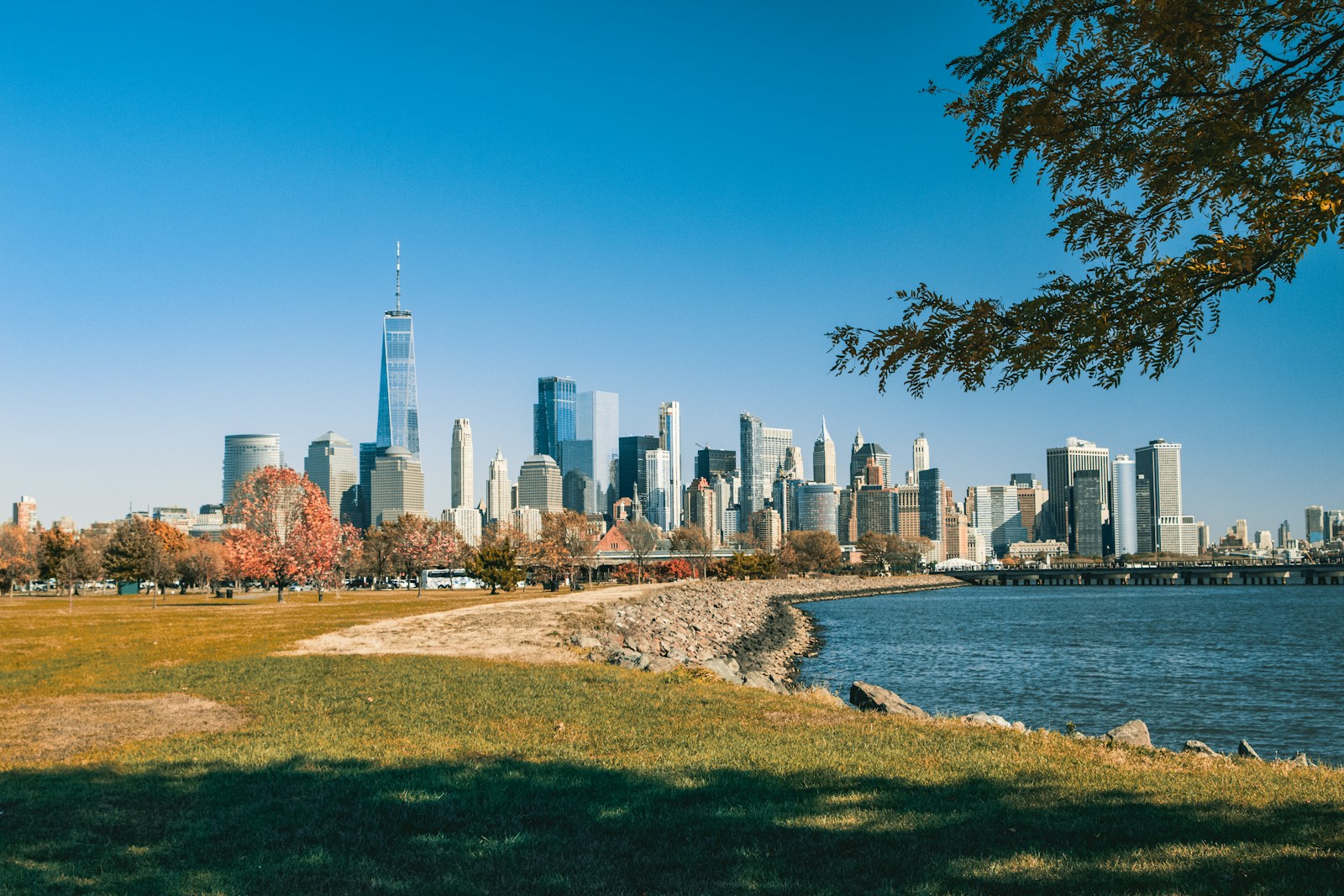
Short answer: New Jersey sits right next to New York City—so “how far” depends on where you start. From riverfront towns like Hoboken or Jersey City, you’re only a few miles from Midtown. From central or southern New Jersey, expect 30–150 miles. Below is a simple, traveler-friendly breakdown to plan your trip. 🚗🗽
Distance at a Glance
For consistency, the distances below use Midtown Manhattan (near Times Square) as the NYC reference point. Driving times assume light to moderate traffic; rush hour can add a lot.
| Starting point in New Jersey | Approx. road distance to Midtown | Typical travel time (off‑peak) |
|---|---|---|
| Hoboken | ~5 miles | 10–25 min (car); 10–20 min (PATH) |
| Jersey City (Downtown) | ~5–7 miles | 15–30 min (car); 12–25 min (PATH) |
| Weehawken / West New York | ~4–7 miles | 15–30 min (car); 10–20 min (ferry/bus) |
| Newark (Downtown) | ~13 miles | 25–40 min (car); ~20–25 min (train) |
| Newark Liberty Airport (EWR) | ~16 miles | 30–60 min (car); ~30–45 min (AirTrain + train) |
| Secaucus | ~6 miles | 15–30 min (car); ~10–20 min (train) |
| Montclair | ~13 miles | 35–60 min (car); ~35–55 min (train) |
| Paramus | ~15 miles | 35–60 min (car); ~45–70 min (bus) |
| New Brunswick | ~37 miles | 60–90 min (car); ~45–60 min (train) |
| Princeton | ~50–55 miles | 75–100 min (car); ~75–100 min (train via Princeton Jct.) |
| Trenton | ~60–65 miles | 80–110 min (car); ~70–95 min (train) |
| Atlantic City | ~125–130 miles | 2.5–3.5 hrs (car); ~3–4 hrs (bus/train combo) |
How the Distance Works
New Jersey borders New York City across the Hudson River. The closest New Jersey communities—Hoboken, Jersey City, Weehawken, and Edgewater—sit right across from Manhattan. Farther south and west, the miles stack up quickly, which is why travel time can range from a few minutes to several hours.
Best Ways to Get from New Jersey to NYC
1) By Train
NJ Transit trains run from many New Jersey towns to New York Penn Station (Midtown). It’s often the most reliable choice during rush hour. From hubs like Newark, Secaucus, New Brunswick, Princeton Junction, and Trenton, trains are frequent and comfortable. 🎟️
2) PATH (from Hoboken, Jersey City, Newark)
PATH is a rapid transit system linking parts of Essex and Hudson counties to Lower and Midtown Manhattan. It’s fast, frequent, and budget-friendly for short hops—perfect if you’re staying along the Hudson waterfront.
3) Bus
NJ Transit and private buses funnel into Port Authority Bus Terminal (Midtown). Buses are widespread and can be cheaper than driving, but they’re more sensitive to tunnel traffic at peak times.
4) Ferry
Ferries from Jersey City, Hoboken, and Weehawken to Midtown or Lower Manhattan are scenic, comfortable, and quick. ⛴️ You’ll pay more than a subway ride, but on a sunny day, the skyline views are priceless.
5) Driving / Rideshare
Driving offers flexibility, especially from suburbs without direct rail. Expect tolls when crossing via the Holland Tunnel, Lincoln Tunnel, or George Washington Bridge. Parking in Manhattan is limited and pricey; consider parking on the Jersey side and finishing by train or ferry.
Routes and Crossings You’ll Hear About
- Holland Tunnel: Jersey City ↔ Lower Manhattan
- Lincoln Tunnel: Weehawken ↔ Midtown Manhattan
- George Washington Bridge: Fort Lee ↔ Upper Manhattan
- I‑95 / New Jersey Turnpike: North–south backbone for longer trips
- I‑78: Newark area to Lower Manhattan (via Holland Tunnel)
- Route 3: From Secaucus/Clifton areas to the Lincoln Tunnel
When Is Travel Fastest?
Off‑peak hours are your friend. Aim for midday (10 a.m.–3 p.m.), late evening, or early weekend mornings. The heaviest traffic typically hits weekday mornings (7–10 a.m.) heading into NYC and late afternoons/evenings (4–7 p.m.) heading back to NJ. Bad weather or special events can add significant delays.
Costs: What to Expect
- Train/PATH: Generally the best value for most travelers; prices vary by distance but are usually in the “few dollars to low‑teens” range per person.
- Ferry: Faster and scenic; typically more expensive than rail.
- Driving: Budget for tolls plus parking. Manhattan garages can be high; street parking is scarce and regulated.
- Rideshare/Taxi: Convenient point‑to‑point, but surge pricing and traffic can add up.
Tip: If your group is 3–4 people and luggage‑heavy, a car or rideshare can be cost‑effective outside peak times. Solo travelers usually save with rail or bus.
Key Takeaways for Travelers
- Closest spots: Hoboken, Jersey City, Weehawken—only minutes from Manhattan. 🏙️
- Best reliability: NJ Transit to Penn Station or PATH to Midtown/Lower Manhattan.
- Scenic shortcut: Ferries are quick across the Hudson and great in good weather.
- Driving caveat: Tolls and parking add time and cost; avoid peak hours if possible.
- Plan by neighborhood: Midtown vs. Lower Manhattan can change your best route and crossing.
Common Mistakes to Avoid
- Using the wrong Manhattan station: “Penn Station” (Midtown) and “World Trade Center” (Lower Manhattan via PATH) serve different areas—pick the one nearest your destination.
- Ignoring event days: Big games, parades, or concerts can snarl crossings. 🎉
- Underestimating tunnel traffic: Those last three miles can take longer than the previous thirty.
- Parking roulette: Expect strict rules and high rates in Manhattan; consider park‑and‑ride in NJ.
- Not checking service changes: Late‑night or weekend rail/bus schedules can differ.
Sample Mini‑Itineraries
From Hoboken/Jersey City for a quick Midtown visit
Take PATH to 33rd Street, walk to Bryant Park, explore Times Square, then head south by subway to the High Line and Chelsea Market. Return by sunset ferry for skyline views. 🌇
From Princeton for a day in museums
Train via Princeton Junction to Penn Station. Visit MoMA or the American Museum of Natural History, stroll Central Park, and grab dinner in Hell’s Kitchen before heading back.
From the Shore (e.g., Asbury Park or Long Branch)
Choose an early NJ Transit train to Penn Station, spend the day in Lower Manhattan (9/11 Memorial, Battery Park), then ferry to Hoboken for dinner and a fast PATH ride back towards your base.
Safety & Practical Tips
- Contactless payment is widely accepted on transit; carry a backup card or cash just in case.
- Dress for microclimates: River breezes can feel cooler, especially on ferries. 🧥
- Walking/Biking: You can walk or bike across the George Washington Bridge pedestrian path between Fort Lee and Upper Manhattan (check hours/closures before you go).
- Navigation: Apps help with real‑time delays, platform changes, and best exits.
FAQs
How many miles is it from New Jersey to New York City?
It ranges from just a few miles (Hoboken, Jersey City, Weehawken) to over 100 miles (Atlantic City). For most North Jersey towns, expect 5–25 miles to Manhattan; Central Jersey runs 30–60 miles; South Jersey 70–130 miles.
What’s faster—train or car?
During rush hour, trains usually win. Off‑peak, driving can be similar or faster for short distances, but tunnel approaches can still bottleneck. If reliability matters, choose rail or ferry.
Which New Jersey city is closest to Manhattan?
Hoboken and Jersey City sit directly across the Hudson River from Manhattan. Weehawken, Edgewater, and Fort Lee are also very close, especially to Upper Manhattan via the George Washington Bridge.
How long does it take from Newark Airport to Manhattan?
By car, roughly 30–60 minutes outside peak traffic. By train (AirTrain + rail), about 30–45 minutes to Penn Station, depending on connections and wait times.
Are there tolls to drive into the city?
Yes. The Holland Tunnel, Lincoln Tunnel, and George Washington Bridge charge tolls (cashless). Rates vary by time, vehicle, and payment method. Expect higher prices at peak hours.
Can I walk or bike from New Jersey to NYC?
Yes—across the George Washington Bridge between Fort Lee and Upper Manhattan. The tunnels don’t allow pedestrians or bikes. Check for any temporary closures before you go.
What’s the cheapest way to go from the waterfront towns?
Typically PATH trains (for Hoboken and Jersey City) or select buses are the most budget‑friendly. Ferries are quicker and scenic but cost more.
Do I need to book train tickets in advance?
For commuter services like NJ Transit and PATH, advance booking isn’t required. Buy on apps or at stations; just confirm schedules, especially late nights and weekends.
Conclusion
New Jersey is next‑door to New York City—sometimes just minutes away. Pick the mode that fits your starting point and schedule: trains and PATH for reliability, ferries for views, or driving for door‑to‑door convenience. Plan around peak hours, keep an eye on service updates, and you’ll be in the Big Apple in no time. 🍎✨


