


Is Delhi the same as New Delhi? This question often arises among travelers exploring India. Understanding the difference between these two names is essential for planning your trip and experiencing the rich culture and history of the region.
Understanding Delhi and New Delhi
Delhi is a massive metropolitan area that serves as the capital of India. It comprises multiple districts, neighborhoods, and historical sites, making it a melting pot of cultures. New Delhi, on the other hand, is a specific part of Delhi. It was officially designated as the capital of India in 1931 and is known for hosting various government buildings, foreign embassies, and bustling markets. While both share the same name, their functions and experiences differ significantly.
The Differences
Geographical and Administrative Distinction
The distinction between Delhi and New Delhi lies primarily in their geographical and administrative scopes. Delhi is the National Capital Territory (NCT), which includes the urban area and surrounding regions. New Delhi is just a small portion within this larger area, specifically designed as the seat of the governmental structure.
Cultural and Historical Context
Delhi, with its rich history stretching back centuries, is dotted with monuments and attractions like the Red Fort, Humayun’s Tomb, and Qutub Minar. On the other hand, New Delhi, although historical, mainly presents a more modern urban landscape, featuring landmarks such as India Gate and the Rashtrapati Bhavan. Travelers can experience both the heritage of old Delhi and the modernity of New Delhi.
Key Takeaways for Travelers
- Delhi is the larger metropolitan area, while New Delhi is its capital and administrative center.
- Explore the rich history and culture found in both regions.
- Public transport and local taxis connect both areas effectively.
- Holding valid travel documents is crucial for visiting certain zones, especially as a foreign traveler.
- Plan your visit to explore famous attractions in both urban spaces for a holistic experience.
Practical Tips for Travelers
- Stay Connected: Download local maps and translator apps before your trip to navigate easily.
- Public Transport: Use the Delhi Metro for efficient and cost-effective travel between both regions.
- Cultural Awareness: Familiarize yourself with local customs and etiquette, especially when visiting religious sites.
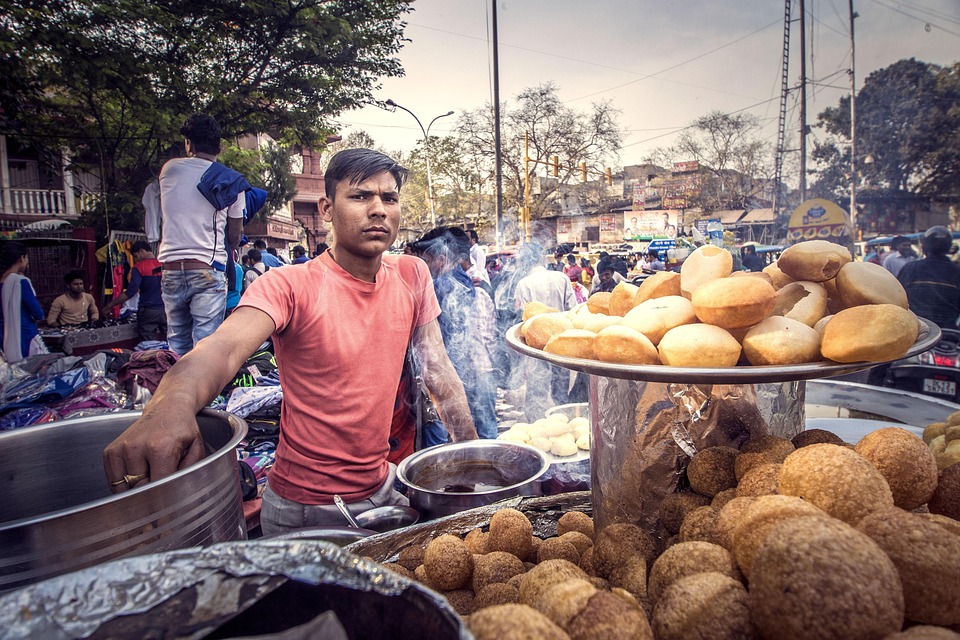
- Local Cuisine: Don’t miss trying Delhi’s street food in Old Delhi and fine dining options in New Delhi.
- Security Measures: Always carry identification, as you may need it for various entry points, especially in government areas.
Common Mistakes to Avoid
- Confusing Delhi with New Delhi; they are distinct areas with unique features.
- Not budgeting for transportation; costs can add up if using taxis frequently.
- Overlooking the importance of local laws and regulations, particularly regarding photography and visiting restricted sites.
- Assuming that all tourist attractions are easily accessible by foot; plan transport carefully.
- Neglecting to try local cuisine; sticking to familiar foods can limit your experience.
Conclusion
Understanding that Delhi and New Delhi are not the same is crucial for your travel planning. Each has its unique offerings that contribute to the vibrant fabric of India’s capital. Whether you’re captivated by the historical sites of Delhi or the modern architecture of New Delhi, each area promises a wealth of experiences that should not be missed. Happy traveling!