

Christmas trips involve higher prices, tighter availability, and intense demand for limited experiences. Travelers often must balance work schedules, school breaks, and variable winter weather.
Popular places can feel overcrowded, yet quieter spots may limit services or hours. Short daylight, potential storms, and packed public transport can add stress to already compressed holiday timelines.
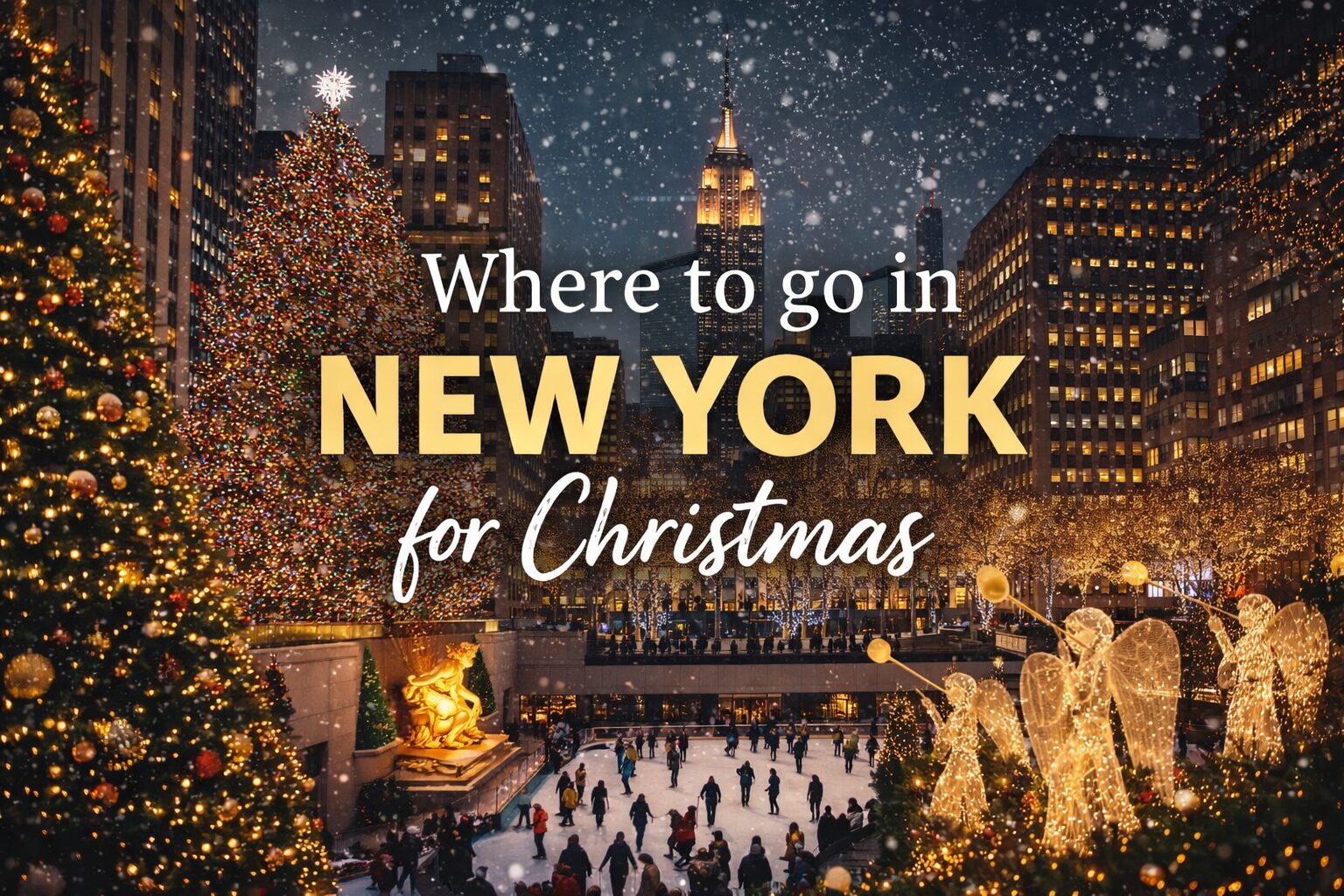
Where to go in New York for Christmas
In New York at Christmas, visitors most commonly go to Midtown Manhattan for decorations, window displays, and large public attractions. The concentration of major seasonal sights between late November and early January shapes where people spend most of their time, particularly if they have only a few days. Crowds, security measures, and ticketed time slots limit spontaneous movement, especially around flagship landmarks. Weather, mobility needs, and budget can push some travelers toward indoor venues, quieter neighborhoods, or boroughs outside Manhattan. Public transit patterns, holiday closures, and reduced daylight hours further influence which areas remain practical to visit each day.
How Christmas in New York feels across different neighborhoods
Christmas in Midtown Manhattan feels dense, bright, and highly structured around major landmarks. Visitors typically move between large decorated sites and busy shopping streets on carefully managed sidewalks.
Uptown areas such as the Upper West Side and Upper East Side tend to feel more residential, with lit brownstones and quieter local storefronts. These zones can offer a calmer atmosphere while still allowing easy access to central attractions by subway or bus.
Downtown neighborhoods like SoHo and Greenwich Village combine holiday decor with regular city life, where restaurants and boutiques blend seasonal touches into everyday activity. In Brooklyn, places like Brooklyn Heights, Park Slope, and Dyker Heights highlight decorated homes and local streets rather than concentrated tourist complexes.
Key Christmas destinations in New York and how they compare
Different areas of New York provide distinct Christmas experiences, from organized displays to everyday neighborhood lights. The main contrast lies between high-intensity sightseeing zones and more local, residential streets.
Midtown Manhattan emphasizes large-scale public displays and iconic backdrops. Brooklyn, Queens, and uptown Manhattan more often focus on blocks of decorated homes, smaller commercial strips, and community events.
| New York destination | Typical Christmas features | Crowd level (late Dec) | Weather feel | Common closures or limits |
|---|---|---|---|---|
| Midtown Manhattan (around Rockefeller Center) | Major tree, rink views, department store windows, dense decorations | Very high, especially evenings and weekends | Cold, windy, can feel harsher in street canyons | Occasional restricted access, timed entries, and barricaded areas |
| Times Square | Billboards, Broadway shows, general holiday lighting | Very high, heavy police presence late December | Cold, exposed, often drafty at intersections | Street closures around New Year's Eve preparations |
| Fifth Avenue (Midtown stretch) | Luxury store windows, building projections, decorated facades | High to very high in evenings | Cold, with occasional icy patches near corners | Sidewalk crowd-control lanes and slower pedestrian flow |
| Dyker Heights, Brooklyn | Residential house displays, block-by-block lighting | Moderate to high, concentrated on a few streets | Cold but more open and quieter than Midtown | Some blocks can restrict bus parking and tour vehicle access |
| Brooklyn Heights and the Brooklyn Bridge area | Townhouse decorations, promenade views, nearby seasonal lighting | Moderate, heavier on weekends | Cold along the waterfront with stronger breezes | Occasional reduced hours at small shops and cafes |
| Bryant Park area | Seasonal rink, market-style kiosks, surrounding office towers | High around evenings, especially near holidays | Cold but partly sheltered by tall buildings | Market stalls may have fixed season end dates |
Weather and daylight considerations across New York at Christmas
New York in late December is generally cold, with typical daytime temperatures around freezing to single digits Celsius. Wind between tall buildings can make temperatures feel lower, especially in Midtown and near the rivers.
Daylight hours are short, with sunset often in the late afternoon. This early darkness supports illuminated displays but compresses sightseeing into fewer usable daylight hours for outdoor photography and walking.
Snow is possible but not guaranteed; rain, slush, and wet sidewalks are common. Ice can form overnight, affecting steps, curb cuts, and park paths, particularly in less-trafficked residential zones.
Crowds, pricing, and booking pressure in Christmas New York
Central Manhattan experiences very high hotel prices and limited availability from mid-December through New Year's. Reservations at Midtown, Times Square, or Rockefeller Center hotels can sell out or require strict minimum stays.
Attractions that use timed tickets may see preferred slots disappear weeks in advance. Popular restaurants and shows near major Christmas displays often require advance planning, particularly for evenings on weekends and around Christmas Eve.
Outer-borough neighborhoods and uptown areas may offer more flexible options but can still see elevated pricing compared with other months. Transportation services such as airport transfers, ride-hailing, and intercity trains also face peak demand, especially on the days just before and after Christmas.
Practical travel implications of New York's Christmas layout
Because many headline attractions cluster in Midtown, movement through that area can be slow. Barricades, security zones, and one-way pedestrian patterns can lengthen short walks and limit crossing points.
Subways usually remain the most predictable option for moving between boroughs and major hubs, though some lines run reduced schedules on holidays. Buses can be delayed by traffic near decorated blocks and crowd surges at intersections.
Residential areas such as Park Slope, Astoria, and the Upper West Side often provide easier grocery access and quieter evenings after sightseeing. However, smaller independent shops and some cafes may keep irregular hours or close entirely on Christmas Day.
Common misconceptions about Christmas travel in New York
Many visitors assume snow will be present throughout late December, but clear, cold days are more common. Planning around guaranteed snow-based activities within the city often leads to unrealistic expectations.
Another misconception is that all landmarks remain open with normal hours throughout the holiday week. In reality, museums, observatories, and some indoor attractions adjust schedules, shorten operating windows, or close on specific days.
Some travelers also expect to move freely through Midtown at any time without disruption. In practice, security closures, crowd surges, and police-directed pedestrian flows mean that actual routes may differ significantly from map estimates.
How crowded is New York at Christmas around major attractions?
Major attractions in New York, especially around Midtown Manhattan, experience very high crowd levels from mid-December through early January. Areas near Rockefeller Center, Fifth Avenue, and Times Square often use barricades, police-managed crossings, and informal queues just to move pedestrians along sidewalks. Even simple tasks such as crossing the street or entering a nearby subway station can take longer than expected in the evening peak. Visiting early in the day or on weekdays can reduce intensity, but significant foot traffic remains standard throughout the core holiday period.
Are many places in New York closed on Christmas Day?
On Christmas Day, many offices, some museums, and smaller independent shops in New York close, but large parts of the city remain active. Major landmarks, certain observation decks, and numerous restaurants operate with special or reduced holiday hours rather than shutting down entirely. Public transit generally runs on a holiday schedule, meaning less frequent service but continued coverage on core routes. Travelers typically find fewer options in residential neighborhoods and more open venues in central tourist districts, but verifying hours in advance is important due to venue-by-venue differences.
Understanding how different New York neighborhoods feel at Christmas helps align expectations with reality. The core holiday areas concentrate light displays and crowds, while surrounding districts offer quieter evenings and more everyday city life.
Short daylight, cold conditions, and crowd management shape how much visitors can comfortably do in a single day. Recognizing likely closures, limited time slots, and higher prices allows travelers to approach the season with more realistic plans and less last-minute stress.


