

Vaishno Devi Yatra With Parents or Senior Citizens
For many families, doing the Vaishno Devi Yatra with parents is not just a religious journey—it’s emotional. It’s about fulfilling a long-held wish, returning something to the people who once planned every trip for you. But when senior citizens are involved, devotion alone isn’t enough. The yatra demands patience, preparation, and a mindset that prioritizes comfort over speed.
The good news is that this pilgrimage has evolved. Facilities today are far better than they were even a decade ago. Elderly pilgrims regularly complete the journey without pushing their bodies too far. What makes the difference is how the yatra is planned, not just the intent behind it.
This guide focuses on realistic expectations, senior-friendly choices, and practical decisions—so the experience remains peaceful rather than exhausting.

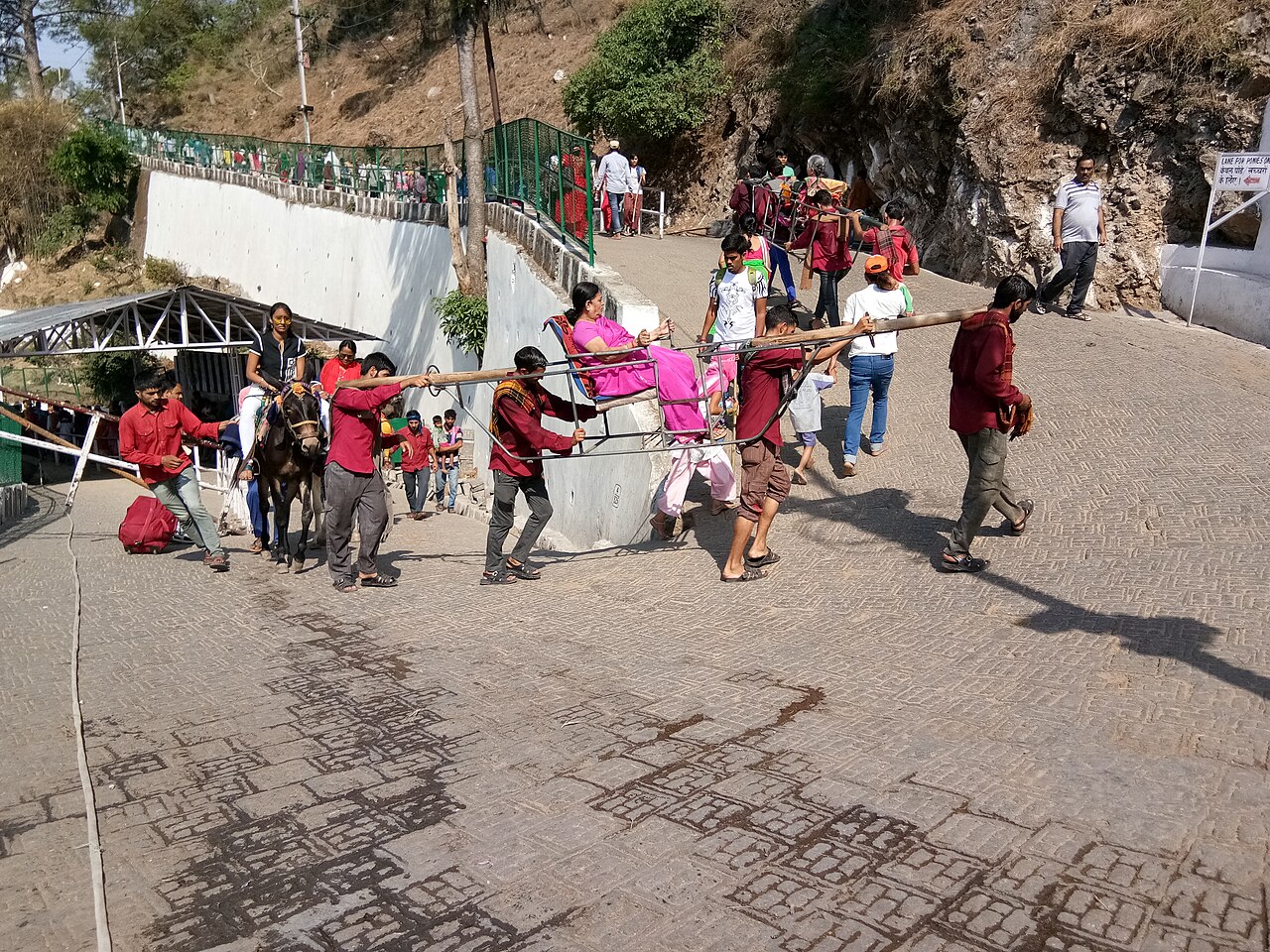
Understanding the Yatra: What Seniors Should Expect
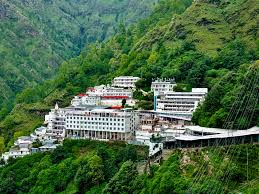
The pilgrimage begins from Katra, a small town that serves as the base camp. From here, the main shrine (Bhawan) lies roughly 13 kilometers uphill. The track is well-laid, properly barricaded, and monitored round the clock. However, distance, altitude, and crowd density can still feel overwhelming for elderly travelers.
For senior citizens, the yatra is less about physical strength and more about stamina and breathing comfort. The incline is gradual but continuous. Some stretches feel easy, while others—especially near Ardh Kuwari—can feel longer than expected.
Important realities to keep in mind:
- Walking speed will naturally be slow
- Frequent rest breaks are necessary
- Weather changes are felt more strongly by seniors
- Crowds can increase anxiety or fatigue
The key is not to rush. The shrine is not going anywhere, but health must always come first.
Best Time to Visit With Elderly Parents
Timing can make or break the experience for senior citizens.
Most Comfortable Months
- March to May: Mild weather, manageable crowds
- September to mid-October: Cooler temperatures, clearer skies
These periods allow seniors to walk short distances without extreme cold or heat stress.
Months to Avoid (If Possible)
- Peak winter (December–January): Cold, fog, and slippery paths
- Navratri & major holidays: Overcrowding, long wait times
Weekdays are noticeably calmer than weekends. For seniors, fewer people on the track means less pushing, better breathing space, and easier access to facilities.
Getting to the Shrine: Senior-Friendly Travel Options


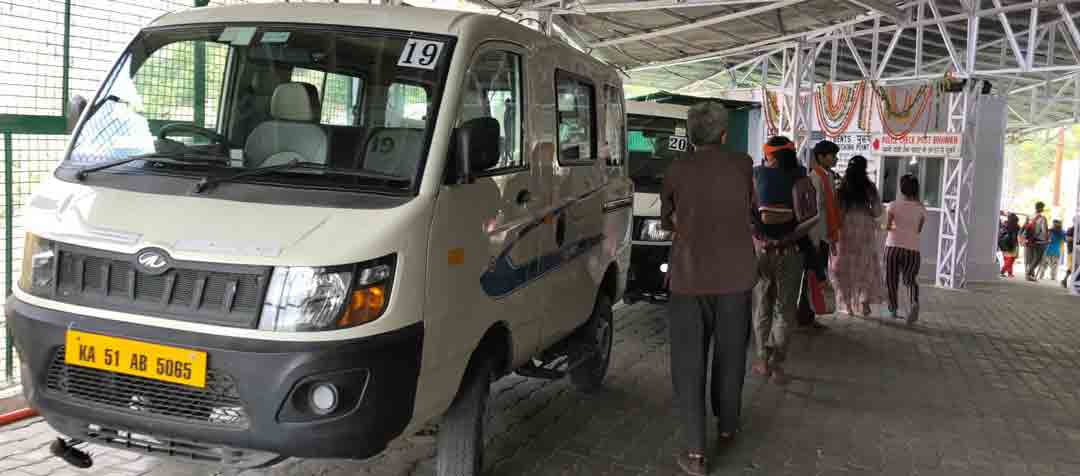

Battery Car Service
One of the most senior-friendly additions to the yatra.
- Operates on designated stretches
- Smooth, seated travel with minimal physical effort
- Requires advance booking
Battery cars significantly reduce walking fatigue and are highly recommended for elderly pilgrims.
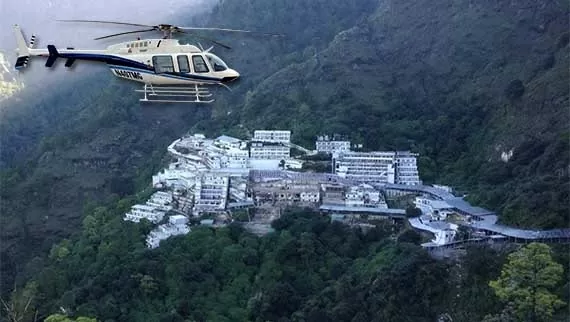
Helicopter Service
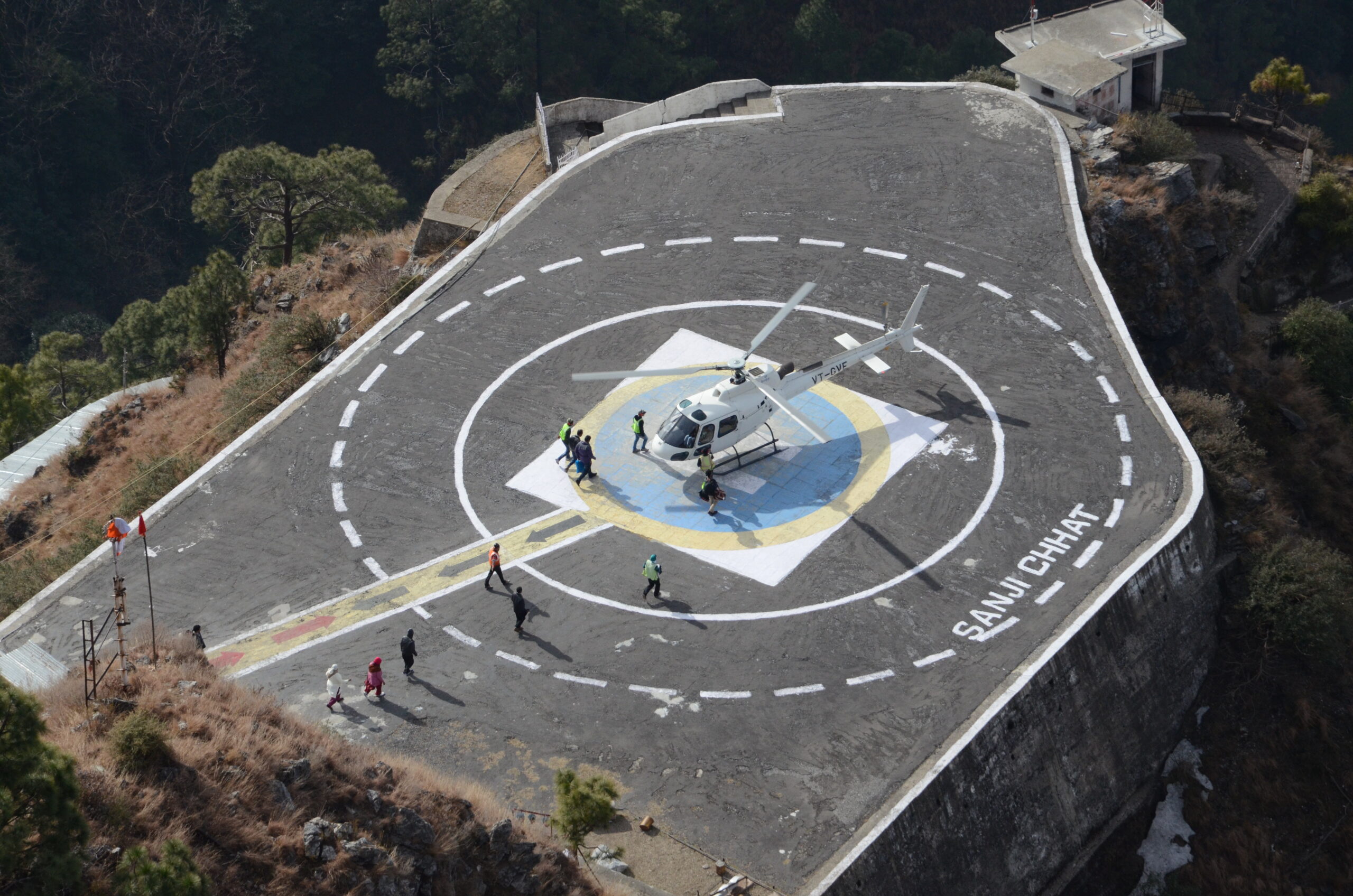
A short helicopter ride connects the base area to Sanjichhat.
- Cuts down most of the uphill walk
- Ideal for seniors with joint pain or limited stamina
- Weather-dependent and time-sensitive
Though slightly rushed, it’s often the most comfortable option for older parents.
Palki and Pony
Traditional but still useful.
- Available throughout the route
- Helpful if seniors tire mid-journey
- Slower, but steady and supervised
Many families combine these options instead of relying on just one mode.
Important Stops Along the Route

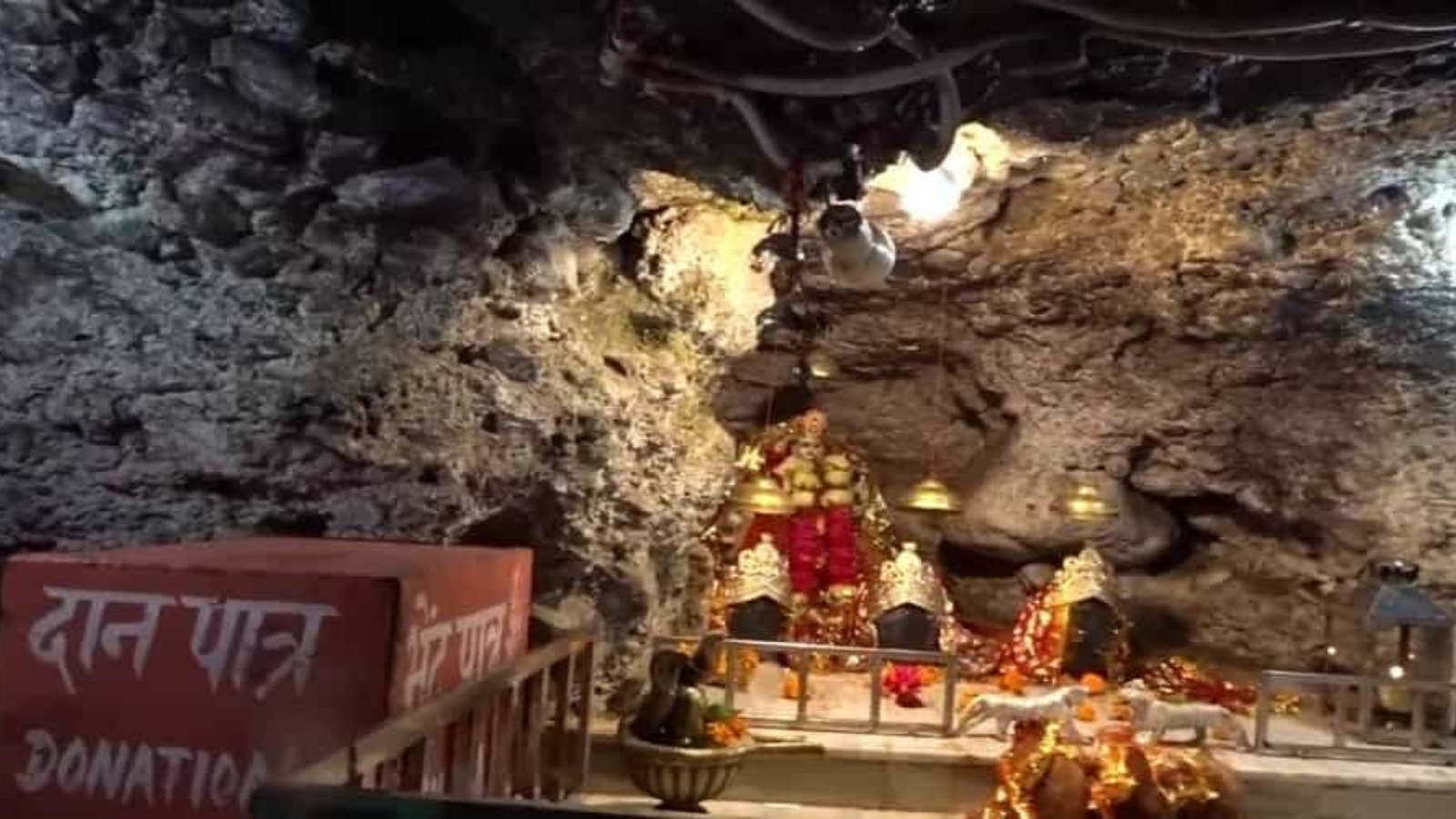


Ardh Kuwari
This midway point includes a narrow cave passage. For seniors with knee issues, claustrophobia, or breathing concerns, skipping this is perfectly acceptable. Visiting the main shrine is what holds primary religious significance.
Bhawan Area
The shrine complex offers:
- Seating and resting halls
- Hot food and clean drinking water
- Nearby medical facilities
Seniors should be given at least one to two hours here to rest properly after darshan.
Accommodation Tips That Matter for Seniors
When traveling with elderly parents, comfort matters more than location glamour.
Look for:
- Ground-floor rooms or elevators
- Easy access to meals
- Quiet surroundings for proper sleep
- Proximity to the yatra track
Shrine Board accommodations are often more practical than budget hotels with steep stairs and cramped spaces. Paying a bit more for convenience usually saves energy and stress later.
Health & Safety: What You Should Not Compromise On
Senior citizens respond differently to altitude, cold, and physical strain. Even if parents appear fit, preparation is non-negotiable.
Essential precautions:
- Full medical checkup before travel
- Carry prescriptions and extra medicines
- Pack ORS, glucose tablets, and light snacks
- Avoid late-night walking on the track
- Use handrails and walking sticks wherever available
The shrine route has medical aid posts, but prevention always works better than emergency response.
A Realistic Itinerary for Seniors (2–3 Days)
Day 1: Arrival & Rest
- Reach Katra
- Collect yatra slips
- Light walk, early dinner, proper sleep
Day 2: Yatra & Darshan
- Start early morning
- Use battery car / helicopter as planned
- Take frequent breaks
- Complete darshan and rest at Bhawan
Day 3: Return & Recovery
- Descend calmly
- Avoid rushing back the same day if parents feel tired
This slower approach reduces physical stress and emotional pressure.
Common Mistakes Families Make
- Assuming parents can “adjust” like younger travelers
- Skipping rest days to save time
- Starting the climb late in the evening
- Ignoring weather forecasts
- Not booking transport services in advance
The yatra rewards patience, not speed.
Lesser-Known Practical Insights
- Early mornings are quieter and easier for seniors
- Warm clothing is essential even in mild seasons
- Light meals help prevent nausea
- Staying hydrated reduces fatigue more than people realize
Small decisions like these quietly improve the entire experience.
Who This Yatra Is Best Suited For
This journey works well for:
- Seniors who can walk short distances
- Parents with controlled medical conditions
- Families willing to adjust plans
- First-time pilgrims who prepare properly
It may not suit seniors with severe heart, respiratory, or mobility conditions unless cleared by a doctor.
Final Thoughts
Doing the Vaishno Devi Yatra with parents or senior citizens is not about proving endurance. It’s about creating a safe, respectful journey that honors both faith and physical limits. When planned with empathy and realism, the yatra becomes calmer, more meaningful, and far less stressful than most people expect.
For many families, the slow pace actually deepens the experience—turning the journey into a shared memory rather than a physical challenge.
Frequently Asked Questions
Is Vaishno Devi Yatra safe for senior citizens?
Yes, when planned thoughtfully. The route is secure, monitored, and equipped with medical facilities at multiple points.
Can elderly parents complete the yatra without walking the full distance?
Yes. Battery cars, helicopter services, and palkis significantly reduce the walking requirement.
Is Ardh Kuwari mandatory for seniors?
No. Many elderly pilgrims skip it due to narrow passages, and it does not affect the main darshan.
How many days are ideal for seniors?
Two to three days is comfortable, allowing enough rest and flexibility.
Is winter travel advisable for elderly parents?
Generally no, unless they are accustomed to cold climates and physically fit.
Are medical services available during the yatra?
Yes, medical aid posts and emergency assistance are available along the route.
Do senior citizens get priority darshan?
Assistance is often provided, but priority policies depend on current shrine regulations.
What footwear is best for elderly pilgrims?
Comfortable walking shoes with good grip are strongly recommended.
Can seniors use wheelchairs on the route?
Wheelchairs are allowed in limited areas but are not practical for the entire track.
Is it safe to travel with elderly parents during peak season?
It is possible, but off-season or shoulder months are far more comfortable for seniors.