For many pilgrims arriving in Katra, the idea of starting the Vaishno Devi Yatra at night brings up mixed feelings. Some see it as peaceful and less crowded, while others worry about safety, fatigue, or navigating the route in the dark. These questions are natural, especially for first-time visitors who have heard very different accounts from friends, family, and online forums.
Night yatra is not unusual at Vaishno Devi. In fact, thousands of pilgrims walk the route after sunset every day, particularly during busy seasons. The route is designed to operate round the clock, but that does not mean the experience is identical to a daytime walk.
This article offers a calm, realistic look at night yatra from Katra. It explains how safe it actually is, what changes after dark, who usually benefits from walking at night, and when it may not be the right choice—without exaggeration or reassurance that ignores real-world conditions.
Understanding Night Yatra in the Context of Vaishno Devi

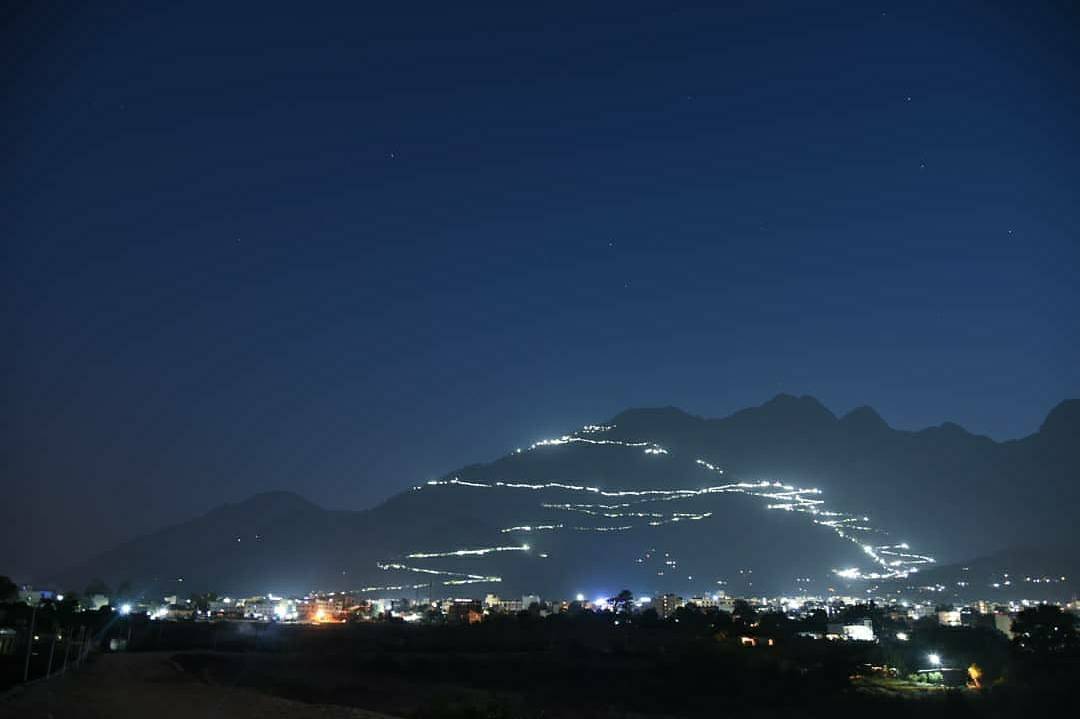
The Vaishno Devi Yatra is structured as a 24-hour pilgrimage route. From Banganga onward, lighting, security staff, medical facilities, and checkpoints remain operational throughout the night. This makes night yatra possible in a way that would not be feasible on many other mountain routes.
The path climbs steadily toward the shrine in the Trikuta Mountains. While the terrain does not change at night, visibility, temperature, and crowd patterns do. These changes affect how the journey feels physically and mentally.
Night yatra is often chosen for practical reasons rather than preference. During peak seasons, daytime crowding can be intense, and night hours offer relatively smoother movement. In warmer months, walking after sunset also reduces heat-related fatigue.
However, night yatra requires a different mindset. Energy levels, alertness, and pacing matter more after dark. Understanding how the route functions at night helps pilgrims decide whether this option fits their comfort level and travel style.
How Most Pilgrims Use Night Yatra in Practice

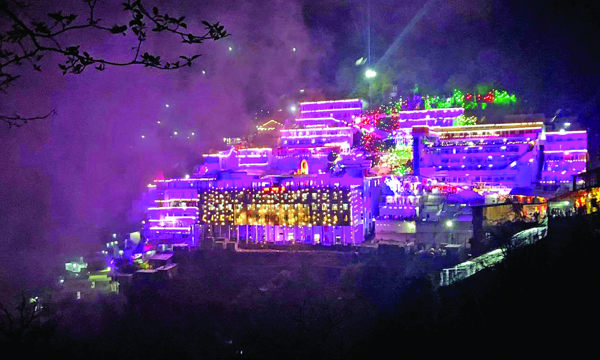
Most pilgrims do not walk the entire yatra exclusively at night. Instead, night walking is often used strategically. Some start from Katra late in the evening to reach Ardhkuwari or Sanjichhat by early morning. Others begin after midnight to arrive at Bhawan around dawn.
First-time pilgrims often assume night yatra means walking in isolation. In reality, the route usually remains active, especially during busy periods. You are rarely alone, even late at night.
Families and groups tend to start earlier in the night, while solo pilgrims and younger travelers are more comfortable starting after midnight. Senior citizens generally avoid late-night starts unless they are using assistance options.
What most experienced pilgrims learn is that night yatra works best when used intentionally—not impulsively—based on energy levels and crowd conditions.
Safety at Night: What Actually Changes After Dark
Safety is the biggest concern people have about night yatra. The route from Banganga to Vaishno Devi Bhawan is continuously monitored, with security personnel, lighting, CCTV coverage in key areas, and medical aid points active through the night.
The path itself is paved and well defined. There are no unmarked diversions or exposed cliff edges that suddenly become dangerous after dark. In this sense, night yatra is structurally safe.
What does change is human awareness. Fatigue, reduced visibility, and cooler temperatures can affect balance and alertness. Slips are more likely if pilgrims rush or walk while exhausted. This is why slow, steady pacing matters more at night.
| Aspect | Day Yatra | Night Yatra |
|---|---|---|
| Visibility | Natural light | Artificial lighting |
| Crowd density | Higher | Often lower |
| Temperature | Warmer | Cooler |
| Safety infrastructure | Active | Active |
Night yatra is safe when approached calmly, without rushing or pushing physical limits.
How Night Walking Feels Compared to Daytime Yatra
Physically, many pilgrims find night walking easier on the lungs and joints due to cooler temperatures. Mentally, the experience can feel quieter and more focused, especially during late-night hours when ambient noise reduces.
At the same time, night walking can feel longer. Without visual landmarks clearly visible, distance sometimes feels stretched. Fatigue also tends to surface more clearly at night, when the body naturally expects rest.
Crowd movement changes as well. While there may be fewer people overall, clusters form around similar walking speeds. This can feel supportive for some and isolating for others.
The key difference is rhythm. Daytime yatra often follows a stop-and-go pattern due to crowds. Night yatra tends to be steadier, but requires more self-awareness.
Who Night Yatra Works Well For (and Who Should Be Cautious)
| Traveler Type | Night Yatra Suitability | Reason |
|---|---|---|
| Solo pilgrims | High | Flexible pacing |
| Young, fit travelers | High | Better stamina |
| Families with children | Moderate | Sleep disruption |
| Senior citizens | Low to moderate | Fatigue, cold |
Night yatra often suits pilgrims who are comfortable walking for long periods and managing their own pace. It is less ideal for those who rely heavily on routine rest, regular meals, or daylight visibility.
Families may find night yatra manageable if children are used to travel, but it often increases tiredness the next day. Senior citizens usually feel more comfortable starting early morning rather than late night.
Matching the choice to the most vulnerable person in your group is usually the safest approach.
Seasonal and Timing Factors That Matter at Night
Season affects night yatra more than daytime walking. In summer, night yatra can be a relief from heat. In winter, cold temperatures can stiffen joints and increase discomfort. During monsoon months, reduced visibility and wet surfaces require extra caution.
Timing within the night also matters. Early night (8–11 PM) still sees significant crowd movement. Late night (12–4 AM) is quieter but demands higher alertness.
| Season | Night Yatra Experience |
|---|---|
| Summer | Comfortable, popular |
| Monsoon | Cautious, slippery |
| Winter | Cold, slower pace |
| Peak festivals | Crowded even at night |
Night yatra works best when weather conditions are stable and pilgrims are well rested before starting.
Common Misconceptions About Night Yatra
One common belief is that night yatra is unsafe. In reality, safety infrastructure remains active at all hours. The bigger risk usually comes from exhaustion rather than the environment.
Another misconception is that night yatra guarantees faster darshan. While crowds may be lighter, waiting times still depend on overall volume and shrine operations.
Some assume night yatra is spiritually different. For many, it feels quieter and introspective; for others, it feels physically demanding. Neither experience is universal.
Understanding these nuances prevents unrealistic expectations.
Practical Guidance for First-Time Night Yatra
If you are considering night yatra for the first time, start by assessing your energy honestly. Avoid beginning after a long travel day without rest. Eat lightly, stay hydrated, and dress for cooler temperatures.
Walk slowly and take short breaks before fatigue builds. Keep identification and RFID easily accessible, as checks continue through the night.
If at any point you feel disoriented or overly tired, pause. Facilities remain open, and resting is always preferable to pushing forward.
Night yatra is not about speed—it is about steadiness.
Frequently Asked Questions
Is night yatra at Vaishno Devi safe?
Yes, the route is monitored and well lit, but pacing and alertness matter.
Do many people walk at night?
Yes, especially during peak seasons and summer months.
Is night yatra suitable for first-time pilgrims?
It can be, if energy levels are good and expectations are realistic.
Does night yatra reduce waiting time?
Sometimes, but it is not guaranteed.
Is it colder at night?
Yes, temperatures drop noticeably, especially in winter.
Are facilities open at night?
Yes, medical aid and security remain active.
Closing Perspective
Night yatra at Vaishno Devi is neither extreme nor unusual—it is simply a different way of moving through the same sacred route. For some pilgrims, it offers cooler temperatures and calmer movement. For others, it introduces fatigue and discomfort. The experience depends far more on personal readiness than on the time of day itself. When chosen thoughtfully, night yatra can be safe and meaningful. When chosen impulsively, it can feel unnecessarily demanding. Calm assessment, honest pacing, and respect for your body are what ultimately make the journey worthwhile.