

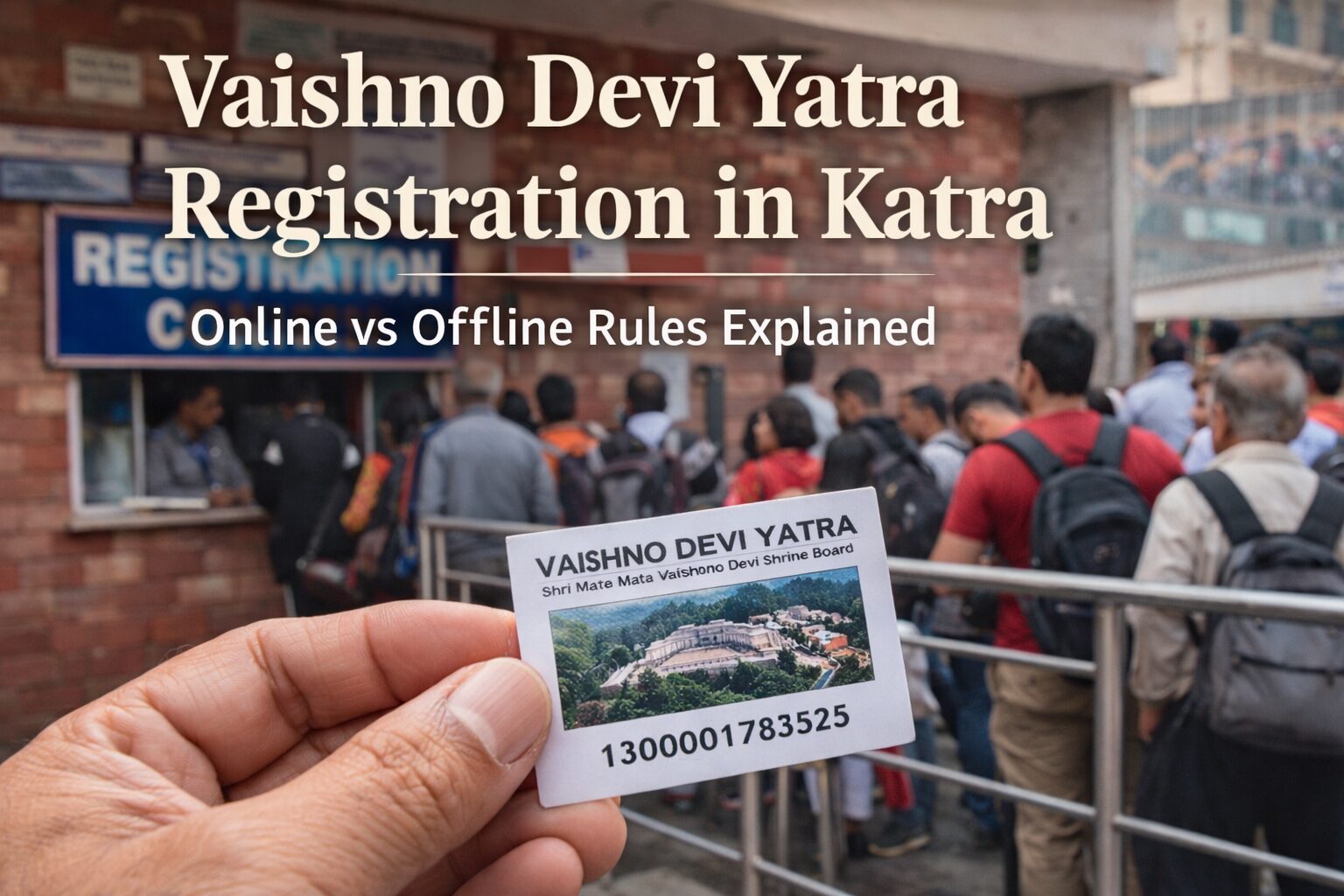
Vaishno Devi Yatra Registration in Katra: What Actually Works on the Ground
For most first-time pilgrims, yatra registration is also the most confusing part of planning a visit to Vaishno Devi. Online information suggests that advance registration is enough, while on-ground experiences often tell a different story. In Katra, registration is not a single step—it is a process that has evolved over time and continues to change based on crowd control and security needs.
Many pilgrims arrive believing that an online registration guarantees a smooth start. In reality, the system today requires an additional step that only happens in Katra. Without understanding this, travelers often feel frustrated or misled.
This guide explains how Vaishno Devi Yatra registration currently works in practice, why online registration alone is not sufficient, and why most experienced pilgrims now rely on offline registration. The focus is on clarity, real-world expectations, and helping first-time visitors avoid common confusion.

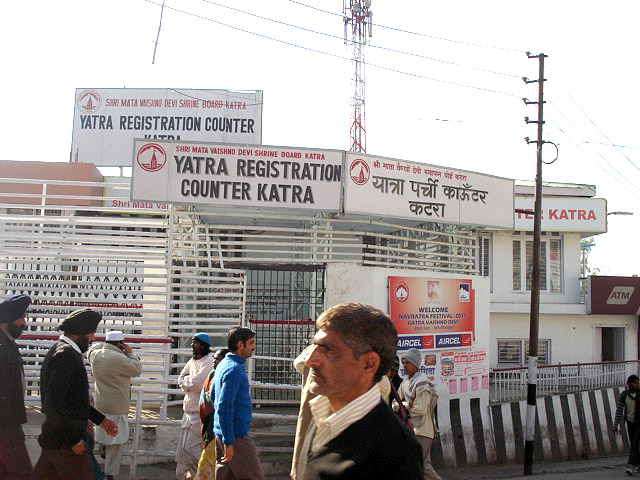
Why Registration Exists and Why It Keeps Changing
The route to the Vaishno Devi Shrine passes through a narrow, environmentally sensitive mountain corridor. Crowd density, weather risks, and security concerns require constant monitoring. Because of this, the Shrine Board regularly adjusts how pilgrims are registered and tracked.
Over the years, registration has shifted from simple paper slips to biometric checks and now RFID-based tracking. These changes are not always reflected clearly in online portals or third-party guides. As a result, what worked one year may not work the next.
The key point for first-time visitors is this: registration rules are not static. They are adapted based on ground realities, and final control always rests with on-site authorities in Katra. This is why understanding the current offline process matters more than relying entirely on advance online steps.
Online Registration: What It Means and Its Limitations
Online registration is often presented as the primary way to secure your yatra. Technically, it records your intent to visit and assigns a tentative yatra date. However, this step alone does not authorize you to begin the yatra.
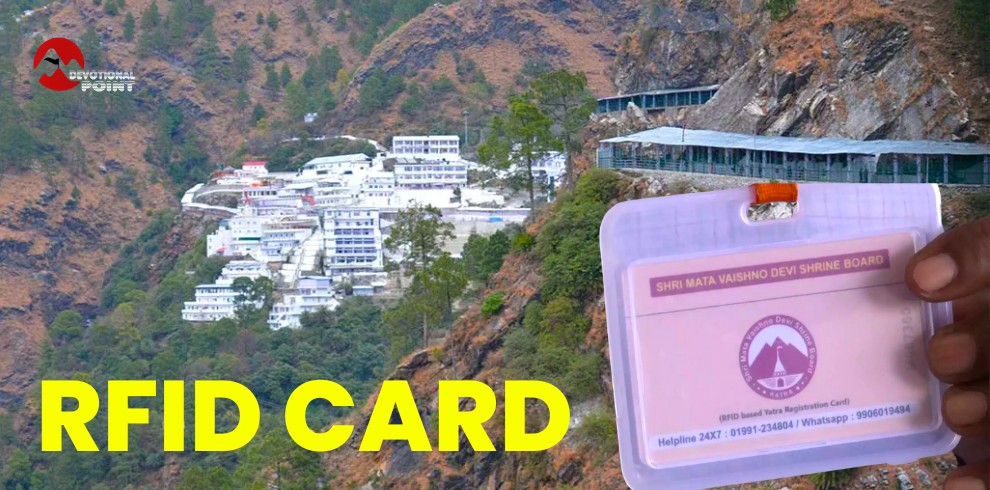
Even with valid online registration, pilgrims are required to report to official counters in Katra to collect an RFID card issued by the Shrine Board. Without this RFID card, entry beyond initial checkpoints is not permitted.
Rules around online registration availability, validity, and linkage to RFID issuance change frequently. Slots may open or close without long notice, and registration dates may not always align smoothly with arrival plans.
Because of this extra mandatory step, online registration does not eliminate queues, waiting, or uncertainty. For many pilgrims, it simply shifts part of the process earlier without reducing on-ground requirements.

Offline Registration and RFID Issuance: The Step That Actually Matters
Offline registration in Katra is currently the most reliable way to complete the entire process in one flow. At official registration centers, pilgrims complete verification and receive the RFID card that is required to proceed on the yatra route.
This RFID card is checked at multiple points, including near Banganga. Pilgrims without it are stopped, regardless of whether they hold online registration proof.
Offline registration reflects the Shrine Board’s real-time assessment of crowd levels, weather, and safety. While this can mean waiting during peak periods, it also ensures that registered pilgrims are genuinely cleared to start the yatra.
| Aspect | Online Registration | Offline Registration |
|---|---|---|
| Final authorization | No | Yes |
| RFID card issued | No | Yes |
| Rules stability | Frequently changes | More consistent |
| On-ground dependency | High | Low |
For this reason, many experienced pilgrims consider offline registration the only step that truly matters.
Why Online Registration Is Often Not Useful in Practice
The biggest misconception is that online registration completes the process. It does not. Since RFID issuance is mandatory and only done in Katra, every pilgrim must still appear in person.
Additionally, changes in daily quotas or weather conditions can override online registration schedules. Pilgrims with online slips may still have to wait or adjust timing once they reach Katra.
Because offline registration already includes verification and RFID issuance, it avoids duplication. Many pilgrims who previously relied on online registration now skip it entirely and register directly in Katra to reduce confusion.
This does not mean online registration is invalid—it simply means it offers limited practical advantage under the current system.
What Registration Looks Like for Families and Senior Citizens
For families and elderly pilgrims, clarity matters more than speed. Multiple steps across online and offline systems can increase stress, especially after long journeys.
Offline registration allows families to complete everything at one place, ask questions directly, and understand start timings clearly. Senior citizens benefit from knowing that once RFID cards are issued, there are no further procedural surprises.
| Traveler Group | Recommended Approach |
|---|---|
| Families | Offline registration |
| Senior citizens | Offline registration |
| Mixed-age groups | Offline registration |
| Solo pilgrims | Offline registration |
Across travel styles, the consistency of offline registration makes it easier to plan rest, assistance, and yatra timing.
Common Confusion First-Time Pilgrims Face
Many first-time visitors believe online registration guarantees entry. Others assume RFID cards are optional or issued automatically. Some expect children or elderly pilgrims to be exempt.
In reality, every pilgrim needs an RFID card, and it must be collected in Katra. Online slips without RFID do not allow access beyond checkpoints.
These misunderstandings are common because information online often lags behind on-ground changes. Knowing this in advance prevents disappointment and last-minute scrambling.
Practical Guidance for Registering in Katra
Plan to register offline after arriving in Katra. Rest first, then proceed to official counters with valid identification for all pilgrims. Keep registration documents and RFID cards secure and easily accessible.
Expect some waiting during peak seasons and arrive with patience. Registration is part of the pilgrimage rhythm, not a hurdle to rush through.
If weather or health issues arise, offline authorities are better positioned to guide you than any online system.
Frequently Asked Questions
Is online registration enough to start the yatra?
No. An RFID card issued in Katra is mandatory.
Can I skip online registration completely?
Yes. Many pilgrims now rely only on offline registration.
Why does the system change so often?
Crowd safety, weather, and security conditions require frequent adjustments.
Is offline registration slower?
It can involve waiting, but it completes all required steps at once.
Do children and senior citizens need RFID cards?
Yes. Every pilgrim must have one.
Are RFID cards checked multiple times?
Yes. They are verified at several checkpoints.
Closing Perspective
Vaishno Devi Yatra registration today is shaped by ground realities rather than fixed rules. While online registration exists, it does not replace the need for offline verification and RFID issuance in Katra. For most pilgrims—especially first-time visitors—offline registration is the clearest and most dependable approach. Understanding this early helps set realistic expectations and allows the yatra to begin with calm, clarity, and fewer avoidable frustrations.fference. With calm preparation and realistic expectations, registration becomes a steady first step toward a smoother pilgrimage experience.



[…] pilgrims prefer to stay in Katra and visit Shiv Khori as a day […]
[…] is the base town for the Vaishno Devi Yatra and is almost entirely dependent on pilgrims. This makes it relatively organised and focused on […]