
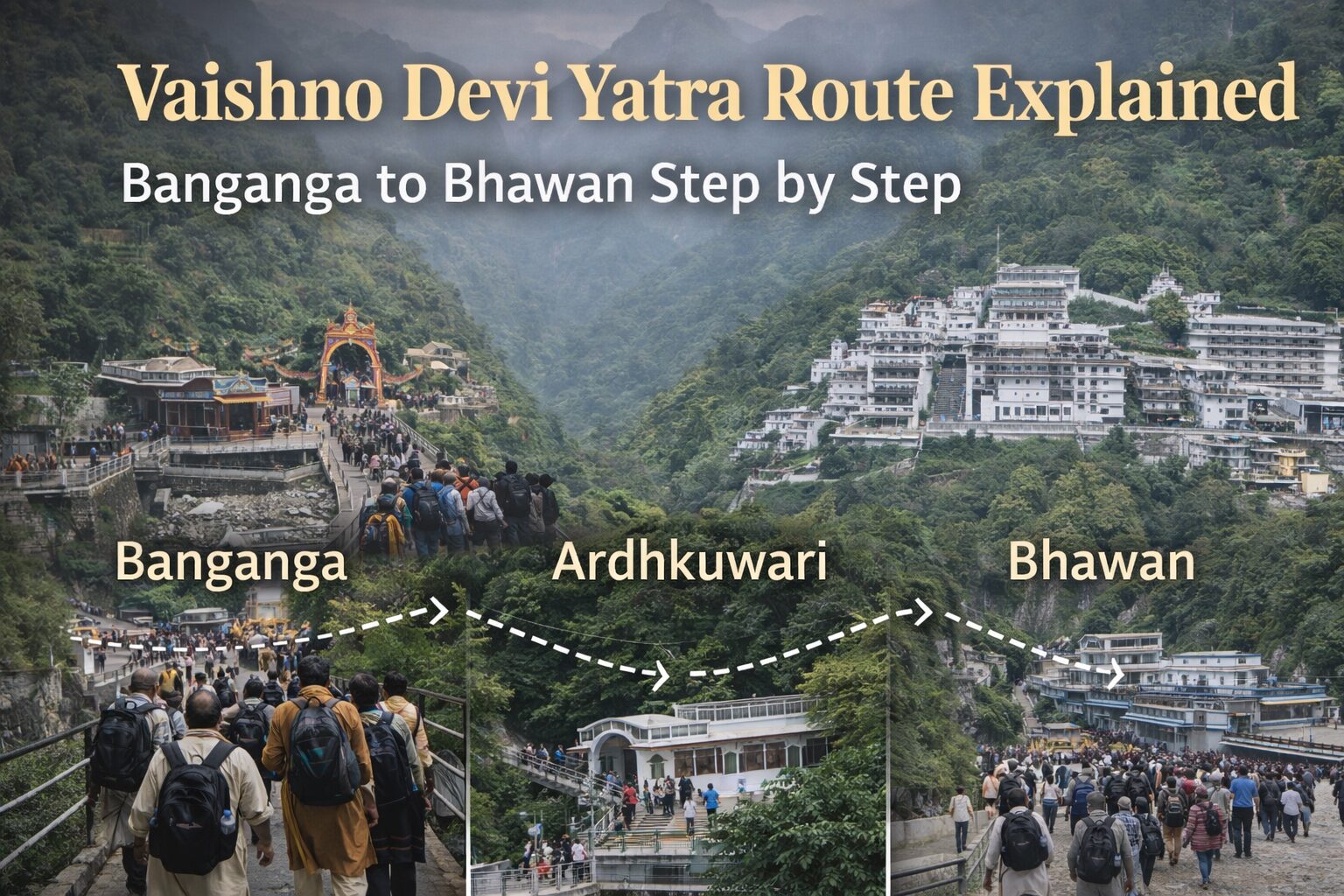
Vaishno Devi Yatra Route from Banganga to Bhawan: A Step-by-Step Explanation
For many pilgrims, the Vaishno Devi Yatra truly begins at Banganga. This is where the climb becomes continuous, checks become routine, and the rhythm of the journey settles in. Understanding the route from Banganga to Bhawan helps first-time visitors prepare mentally and physically for what lies ahead.
Starting from Katra, pilgrims move along a clearly structured mountain path toward the shrine in the Trikuta Mountains. While the route is well managed, it is not effortless, and each section feels slightly different in terms of pace, crowding, and fatigue.
This guide explains the Banganga-to-Bhawan route the way most pilgrims experience it—stage by stage. It focuses on what changes along the way, where people usually slow down, and how families, senior citizens, and first-time visitors tend to move through this stretch with confidence.
Where the Banganga–Bhawan Route Fits into the Overall Yatra

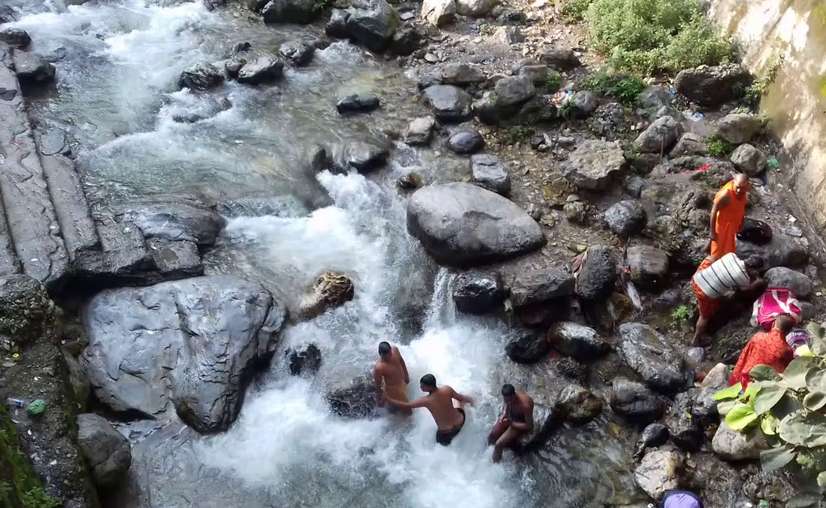
Banganga marks the point where preparation ends and sustained walking begins. Registration and RFID checks are enforced here, and pilgrims who pass this checkpoint are considered officially on the yatra route.
From Banganga to Bhawan, the journey is a single, continuous ascent broken into recognizable segments. The incline is gradual rather than steep, which can be misleading. Fatigue builds slowly, often catching first-time pilgrims off guard after the first few hours.
This section of the yatra reflects how the entire pilgrimage is managed—steady movement, controlled flow, and regular monitoring. Facilities are spaced to support safety rather than speed. When pilgrims understand this, pauses and queues feel less like obstacles and more like part of the design.
How Pilgrims Usually Experience the Route in Stages
Most people do not consciously plan the route in segments, but the body naturally treats it that way. The early stretch after Banganga feels energetic, supported by fresh legs and collective momentum.
As the walk continues, individual pacing becomes more noticeable. Some pilgrims slow significantly, others stop often, and small clusters form based on similar speeds. This is normal and expected.
Many pilgrims naturally reset their pace at Ardhkuwari. Some continue after a short rest, while others pause longer or halt overnight. By the time Sanjichhat is reached, mental focus often improves even if physical tiredness remains.
The key pattern is adjustment. Pilgrims who adapt early—rather than trying to maintain a fast pace—tend to feel more stable throughout the route.
Banganga: The True Starting Line of the Climb
Banganga is both a checkpoint and a transition zone. RFID verification happens here, and pilgrims without proper clearance do not proceed further.
Physically, this is where uphill walking becomes consistent. The path ahead is well surfaced, but the climb is steady and unbroken. Emotionally, many pilgrims feel a shift at Banganga—from anticipation to concentration.
Facilities nearby allow for hydration and short rests. Taking a pause here helps set a sustainable pace. First-time visitors often rush past Banganga, only to feel early fatigue later on.
Ardhkuwari: The Most Common Rest Point on the Route


Ardhkuwari sits roughly midway between Banganga and Bhawan and functions as a natural reset point.
By this stage, most pilgrims are aware of fatigue. Legs feel heavier, breathing becomes deliberate, and rest feels necessary. This is why many people pause here longer than planned.
Ardhkuwari is also where travelers reassess. Families check on children’s energy levels. Senior citizens often decide whether to continue immediately or rest further. There is no pressure to move quickly, and using this stop wisely often determines how manageable the final stretch feels.
Sanjichhat: A Change in Terrain and Momentum
Sanjichhat brings a noticeable shift in the journey. The path opens up, movement feels more organized, and many pilgrims experience a psychological lift knowing the shrine is closer.
This is also where helicopter passengers join the route, which changes crowd patterns. Movement can feel busier, but also more regulated.
Despite the mental boost, tiredness does not disappear here. Many pilgrims underestimate the remaining distance to Bhawan. Maintaining a calm pace through Sanjichhat helps avoid exhaustion toward the end.
The Final Stretch to Bhawan: What Arrival Really Feels Like

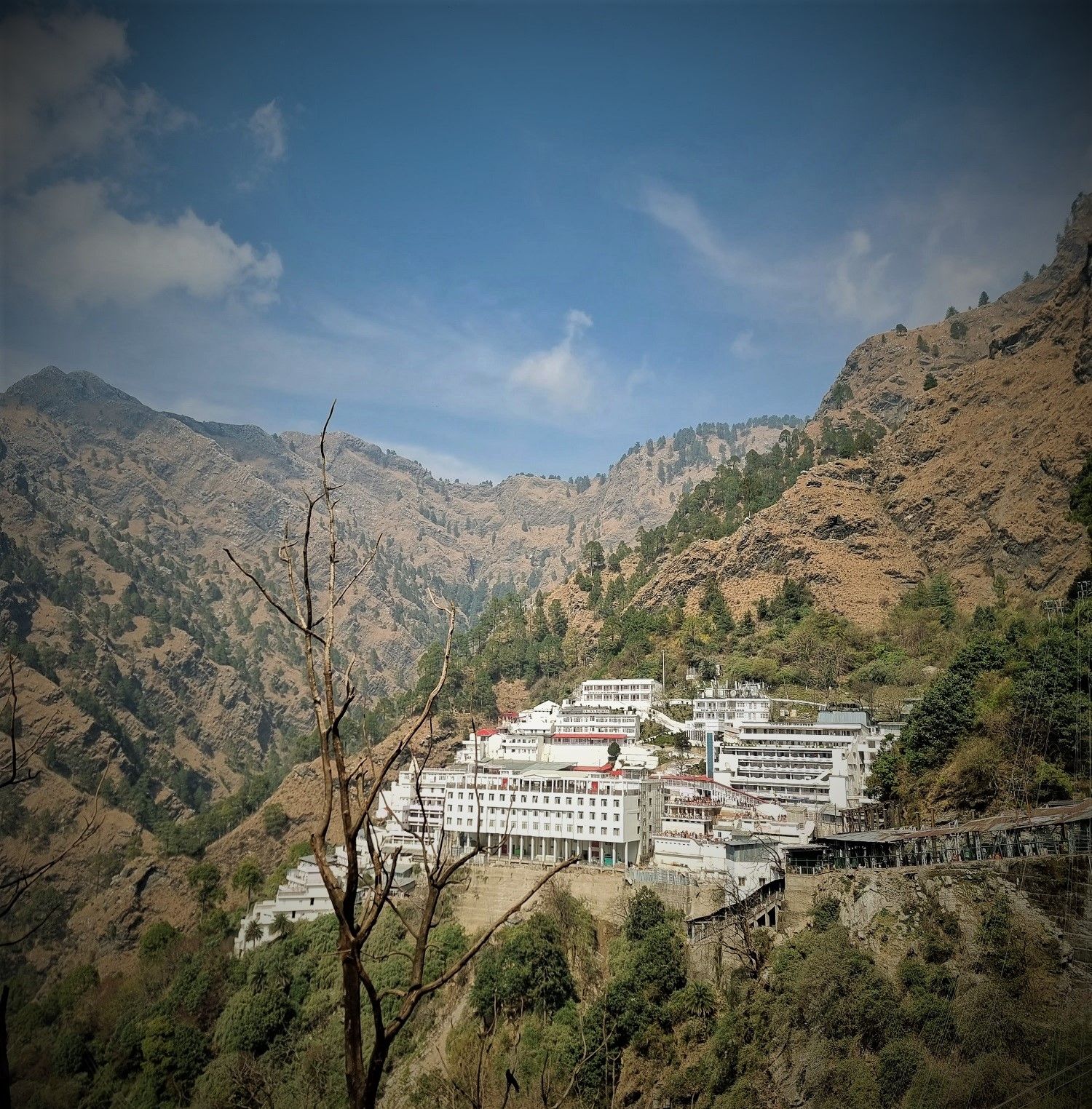
Reaching Vaishno Devi Bhawan is often quieter emotionally than expected. Relief usually outweighs excitement, as the physical effort peaks near the end.
Walking gives way to controlled queues and waiting. While exertion reduces, standing and slow movement introduce a different kind of strain, especially for older pilgrims.
Many people benefit from resting briefly after arrival before proceeding further. Recognizing that the journey does not end the moment you reach Bhawan helps manage expectations.
Route at a Glance: How Difficulty Shifts Along the Way
| Route Section | How It Usually Feels | What Helps Most |
|---|---|---|
| Banganga onward | Steady, manageable | Setting pace early |
| Banganga to Ardhkuwari | Increasing fatigue | Short, frequent rests |
| Ardhkuwari to Sanjichhat | Mentally easier, physically tiring | Hydration, pacing |
| Sanjichhat to Bhawan | Final endurance phase | Avoid rushing |
This framework shows that difficulty moves rather than accumulates in one place.
How Different Travelers Typically Move Along This Route
| Traveler Type | Common Approach |
|---|---|
| First-time pilgrims | Cautious, stage-based |
| Families | Frequent stops, shared pacing |
| Senior citizens | Slower pace, longer rests |
| Regular walkers | Continuous but steady |
Understanding your own category helps align expectations with reality.
Common Misunderstandings About the Banganga–Bhawan Route
Many pilgrims assume the route becomes easier as they go higher. In practice, tiredness often increases even when terrain feels more open.
Another misconception is that facilities remove fatigue. They support safety, but they do not reduce distance or walking time.
Some believe Sanjichhat means the journey is nearly over. This often leads to rushing and exhaustion close to Bhawan.
Practical Guidance for First-Time Visitors
Treat the route as a sequence of manageable sections rather than one long climb. Pause at Banganga, rest properly at Ardhkuwari, and reassess energy at Sanjichhat.
Hydration, pacing, and patience matter more than speed. Avoid comparing your progress to others—everyone moves differently.
Accept tiredness as part of the journey. Planning for it makes the experience calmer and safer.
Frequently Asked Questions
Is Banganga the official starting point of the yatra?
Yes. It is the main checkpoint where verification begins.
Do all pilgrims stop at Ardhkuwari?
No, but many do because fatigue usually appears there.
Is the route difficult for senior citizens?
It can be, but careful pacing and rest make it manageable.
Does the path get easier after Sanjichhat?
It feels more open, but physical tiredness often remains.
Are facilities available throughout the route?
Yes, though spacing and crowd levels vary.
Is the route safe at all times?
Yes, it is monitored continuously, but caution is always advised.
Closing Perspective
The Banganga to Bhawan route forms the physical and emotional core of the Vaishno Devi Yatra. It is steady, structured, and demanding in a gradual way. When pilgrims understand how the route unfolds—where effort increases, where rest helps, and where patience matters most—the journey feels less uncertain. Clear expectations allow the focus to remain on moving calmly through the mountains, rather than struggling against them.