


Can Pregnant Women Visit Vaishno Devi? A Complete Advisory-Only Guide
Visiting Mata Vaishno Devi is an intensely emotional and spiritual journey for millions of devotees. For many women, the desire to seek blessings during pregnancy feels especially powerful. At the same time, the yatra is physically demanding, set in hilly terrain and variable weather. This advisory-only guide lays out the realities, risks, and practical considerations so you can make an informed, medically sound, and spiritually comfortable decision.
This article is informational, not a substitute for medical advice. Every pregnancy is different. Always consult your gynaecologist or obstetrician before planning a trip to Vaishno Devi.
Can Pregnant Women Visit Vaishno Devi?
There is no formal blanket ban on pregnant women visiting Vaishno Devi. However, the shrine authorities and most doctors strongly advise caution because:
- The trek is long, steep, and physically strenuous.
- Weather can be unpredictable (heat, cold, rain, snow).
- High altitude and crowd congestion can cause fatigue and breathing discomfort.
- Immediate, advanced medical care is limited on the track.
Whether it is advisable for you personally depends on:
- Your pregnancy stage (trimester).
- Overall health, fitness, and any pregnancy complications.
- Mode of travel chosen (on foot, pony, palki, battery car, helicopter + partial walk).
- Weather, crowd level, and how much walking you intend to do.
In general, high-risk or complicated pregnancies should avoid the yatra. Even for low-risk pregnancies, careful planning and medical clearance are essential.
Understanding the Vaishno Devi Yatra Route

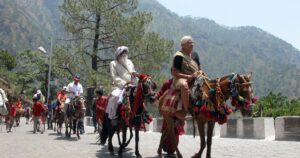
To understand whether this journey is suitable during pregnancy, it helps to know what the yatra involves physically.
Key Distances and Elevation
- Katra to Bhawan (Main Shrine): Approximately 12–13 km by the traditional track.
- Elevation Gain: Katra is around 2,500 ft (about 760 m) above sea level; Bhawan is around 5,200 ft (about 1,585 m).
- Time on Foot: 4–7 hours one way for a fit adult, depending on pace and rest stops.
Terrain and Conditions
- Paved tracks but with continuous incline and decline.
- Stretches of stairs, especially near Bhairon Baba if you choose to go further up.
- Significant crowding during weekends, holidays, and peak seasons.
- Exposure to weather (heat, humidity, cold winds, rain or snow, depending on season).
For someone who is not pregnant, the trek is still challenging. In pregnancy, this exertion must be evaluated very carefully.
Trimester-Wise Advisory for Vaishno Devi During Pregnancy
The stage of pregnancy is a crucial factor. Here is a general, advisory-only overview, not a medical prescription.
First Trimester (0–12 Weeks)
The first trimester is a sensitive period with a higher natural risk of miscarriage. Many women also experience:
- Morning sickness (nausea, vomiting).
- Extreme fatigue.
- Dizziness and sensitivity to smells.
Advisory tendency: Most doctors would discourage a physically strenuous yatra at this stage, especially involving long walks, ponies on uneven terrain, or long road journeys with jerks and vibration.
If you do travel against medical advice, you should at least avoid walking the entire route, avoid overcrowded dates, and ensure immediate access to healthcare. However, the safer option for this period is usually to postpone the trip.
Second Trimester (13–28 Weeks)
This is often considered the more stable period of pregnancy for many women. Nausea may reduce, energy levels may improve, and the risk of early miscarriage is lower than in the first trimester.
Advisory tendency: If your pregnancy is low-risk and your doctor explicitly clears you, some women might be able to undertake a carefully planned, very moderated yatra with minimal walking and maximum use of available transport. Even then:
- Avoid long, continuous walking and steep climbs.
- Avoid ponies if possible due to jerky motion and risk of imbalance.
- Consider helicopter + battery car/palki instead of trekking.
- Travel during non-peak days to reduce crowd stress.
Even in the second trimester, many gynaecologists may advise against this pilgrimage simply because the potential risk outweighs the spiritual desire in their clinical view.
Third Trimester (29–40 Weeks)
In the third trimester, the body is heavier, the centre of gravity shifts, and issues like breathlessness, swelling, back pain, and fatigue become more pronounced. There is also the risk of preterm labour.
Advisory tendency: Most doctors would strongly advise against undertaking the Vaishno Devi yatra in the third trimester. Falls, excessive exertion, or travel stress can be risky for both mother and baby.
If you are in late pregnancy, it is generally safer to avoid this journey entirely and plan a visit after delivery and recovery.
Major Health Risks to Consider
Understanding the potential risks helps you weigh your decision in a realistic way.
1. Physical Strain and Fatigue
- Continuous incline can overwork leg, back, and abdominal muscles.
- Increased heart rate and breathlessness are common, especially at higher altitude and in crowds.
- Overexertion may trigger cramps, abdominal pain, or uterine contractions.
2. Dehydration and Nutrition
- Long hours in heat or cold can cause dehydration if fluid intake is not adequate.
- Hygienic food options may be limited along certain stretches.
- Skipping meals or irregular eating can lead to low blood sugar, dizziness, and weakness.
3. Fall and Injury Risk
- Slippery surfaces during rain or winter (ice/snow).
- Crowd jostling on narrow stretches.
- Risk of losing balance on stairs or while using ponies or palkis.
4. Limited Medical Facilities on the Route
While there are basic medical facilities, first-aid points, and some healthcare support on the route and at Bhawan, the level of care available during an emergency is limited compared to a full hospital with obstetric facilities.
- Immediate advanced obstetric care may not be available on the track.
- Shift to a tertiary care hospital from the shrine area can be time-consuming.
- In case of sudden bleeding, labour, or severe pain, evacuation could be challenging.
5. Pre-existing Conditions That Need Extra Caution
If you have any of the following, the general advisory leans strongly towards avoidance of such a demanding journey:
- History of miscarriage, preterm labour, or high-risk pregnancy.
- Placenta previa, cervical incompetence, or threatened miscarriage.
- High blood pressure, preeclampsia, gestational diabetes.
- Heart or lung disease, anaemia, or severe varicose veins.
- Multiple pregnancy (twins, triplets, etc.).
Modes of Reaching Vaishno Devi and Their Suitability in Pregnancy
Not every devotee walks the entire track. Various transport options exist, each with pros and cons for pregnant women.
1. On Foot
Suitability in pregnancy: Generally not recommended for most pregnant women.
- High physical exertion over 12–13 km of incline.
- Risk of fatigue, cramps, and dehydration.
- Potential for falls on stairs or slippery sections.
2. Ponies (Horses/Mules)
Suitability in pregnancy: Usually discouraged.
- Jerky motion and sudden movements can strain the back and abdomen.
- Risk of imbalance or falls if the animal stumbles.
- Route portions can be narrow and crowded.
3. Palkis / Pithus
Palkis (palanquins) carried by porters and pithus (porters carrying you or your luggage) are often used by elderly or unwell devotees.
Suitability in pregnancy: Relatively safer than walking or ponies, but not risk-free.
- Reduces physical strain significantly.
- Still involves movement, some jerks, and the inherent risk of being carried on uneven terrain.
- You remain dependent on the strength and balance of the porters.
4. Battery Cars (Where Available)
Battery-operated vehicles run on selected stretches of the route, subject to current policies and availability.
Suitability in pregnancy: One of the more comfortable options if accessible.
- Minimizes walking and reduces fatigue.
- Still requires some walking to and from boarding points and the Bhawan.
- Availability and booking rules may change; check latest official information in advance.
5. Helicopter Service (Katra to Sanjichhat)
Helicopter services (subject to weather and regulations) usually run between Katra and Sanjichhat, reducing the distance to the Bhawan to around 2.5 km (approximate). Policies and schedules can change; always check official sources.
Suitability in pregnancy: Often seen as the least physically demanding way to get closer to the shrine, but still requires caution.
- Substantial reduction in trek length and time.
- Short helicopter rides are generally tolerated well by many pregnant women, but some doctors may be cautious about any air travel at advanced stages of pregnancy.
- Still requires walking or additional local transport between Sanjichhat and Bhawan, with inclines and crowds.
Always discuss helicopter travel with your doctor. Some airlines and helicopter operators may have their own policies for pregnant passengers.
Practical Safety Tips If You Still Plan to Visit While Pregnant
If, after medical consultation, you are cleared and choose to proceed, careful planning can reduce (but not eliminate) risks.
1. Get a Detailed Medical Clearance
- Discuss the exact nature of the journey with your doctor: distances, altitude, and possible modes of travel.
- Ask clearly: “What are the specific red flags for me?”
- Carry a summarized medical report, pregnancy details, and prescriptions.
2. Choose the Right Time of Year
Extreme weather adds unnecessary stress during pregnancy. In general:
- Avoid peak summer heat (May–June) if you are sensitive to heat or prone to dehydration.
- Avoid heavy monsoon (July–August) due to slippery tracks and landslide-prone routes.
- Avoid extreme winter if you cannot tolerate cold, icy paths, or the risk of slipping.
Shoulder seasons (spring and autumn) can be relatively more comfortable but still require full precautions.
3. Avoid High-Crowd Days
Crowds mean more pushing, standing, and waiting, which can be draining and potentially unsafe in pregnancy.
- Try to avoid weekends, long holidays, Navratras, and major festivals.
- Choose mid-week dates and non-peak periods whenever possible.
- Consider night or off-peak timings for darshan if allowed and if your doctor is comfortable with your being active at those hours.
4. Plan Your Transport Strategy in Advance
- Consider booking helicopter tickets well in advance if that fits your plan and your doctor approves.
- Enquire about battery car availability and rules on the official shrine or government portals.
- Keep realistic expectations: even with all aids, some walking is almost always required.
5. Pace Yourself and Take Frequent Breaks
- Walk slowly; avoid sudden bursts of speed or climbing long stretches without rest.
- Listen to your body: if you feel dizzy, short of breath, or experience pain, stop immediately.
- Do not compete with others’ pace; your only priority is your health and your baby’s safety.
6. Hydration and Food
- Carry your own water bottle and sip regularly rather than gulping large amounts at once.
- Carry light, dry snacks like nuts, biscuits, fruit, or homemade items recommended by your doctor.
- Avoid street food that seems unhygienic; stomach infections are especially risky during pregnancy.
7. Clothing and Footwear
- Wear comfortable, layered clothing suitable for changing temperatures.
- Use soft, well-cushioned walking shoes with a good grip; avoid new or tight footwear.
- Consider a light maternity support belt if advised by your doctor.
8. Companions and Support
- Never undertake the yatra alone while pregnant.
- Have at least one person dedicated to staying at your pace and watching out for you.
- Share your medical details and emergency contacts with your companions.
9. Know the Nearest Medical Facilities
- Before traveling, note down the contact numbers and locations of the nearest hospitals and emergency centres in Katra and Jammu.
- Identify medical posts along the yatra route as per the latest official information.
- Keep a written list of your medications, allergies, and key medical history in your bag.
10. Be Ready to Turn Back
Perhaps the most important attitude: be mentally prepared to abort the yatra at any stage if your body does not feel right.
- Your safety and your baby’s safety must come before completing the trek or reaching the Bhawan.
- There is no failure in turning back; spiritual journeys are about intent, not just physical completion.
Alternative Ways to Seek Blessings During Pregnancy
If your doctor advises against traveling, or if you yourself feel uneasy about the physical demands, there are still many meaningful ways to connect spiritually with Mata Vaishno Devi during pregnancy.
1. Visit a Local Temple
- Many cities have temples or shrines dedicated to Maa Vaishno Devi or forms of the Divine Mother.
- You can perform special prayers, havans, or offerings closer to home, without long-distance travel.
2. Participate in Online Darshan or Live Telecasts
- Official and private channels often relay live or recorded darshan from Vaishno Devi.
- You can watch from home, perform your own small puja, and feel connected without physical strain.
3. Sankalp (Spiritual Vow)
Many devotees choose to make a sankalp (vow) during pregnancy: they promise to visit Vaishno Devi after safe delivery and recovery, along with the child, in gratitude.
- This can be a powerful source of emotional comfort and hope.
- It balances your devotional desire with practical concern for safety.
4. Personalized Rituals at Home
- Recite mantras, aarti, or path associated with Maa Vaishno Devi or the Divine Mother.
- Set up a small home altar with a picture or idol and light a diya regularly.
- Invite a priest (if your tradition allows) to perform a simple puja at home dedicated to a safe pregnancy and delivery.
Emotional and Cultural Considerations
For many families, especially in North India, visiting Vaishno Devi during or after pregnancy can feel like a cherished blessing and tradition. While emotions run deep, it is important to gently balance faith with medical reality.
Balancing Family Expectations
- Family elders may strongly encourage the visit, believing it brings divine protection.
- Share your doctor’s written advice if you feel pressured; having medical guidance in writing can help others understand.
- Propose an alternative plan: “We will go together with the baby after delivery when it is safe.”
Respecting Your Own Comfort Level
- It is okay to say no if you feel anxious or physically unsure.
- Pregnancy is already a significant physical and emotional journey; you do not need to prove anything by taking additional risk.
- Spiritual connection does not require physical hardship; intent and devotion matter more than distance traveled.
Who Is This Yatra Best Suited For?
In the context of pregnancy, the Vaishno Devi yatra is usually better suited for:
- Women who are not currently pregnant and are otherwise healthy and fit.
- Postpartum mothers who have fully recovered, with their doctor’s clearance, and whose baby is at a safe age for travel.
- Families planning the trip either before conception or after the child’s early months or years.
For currently pregnant women, the default safe stance is caution. Only under low-risk conditions, with explicit medical approval, careful planning, and minimal exertion, should the journey be considered—and even then, with readiness to stop at the first sign of discomfort.
Common Mistakes to Avoid When Considering Vaishno Devi in Pregnancy
- Ignoring medical advice because “many people do it and are fine”. Every pregnancy is unique.
- Underestimating the trek by assuming paved paths mean it is easy and risk-free.
- Choosing peak season when crowds, heat or cold, and waiting times are at their worst.
- Relying only on ponies as a comfortable option without understanding their jerkiness and balance risk.
- Carrying heavy bags or walking too briskly to “finish quickly”.
- Skipping regular meals or water to save time.
- Not having a backup plan for sudden health issues, including emergency contacts and knowledge of nearest hospitals.
Short Advisory Summary
If you are pregnant and considering a visit to Vaishno Devi:
- First and third trimesters: Generally advisable to avoid such a demanding yatra.
- Second trimester: May be considered in some low-risk cases, only with your doctor’s explicit clearance and with minimized exertion (e.g., helicopter, battery car, or palki instead of walking).
- High-risk pregnancies: Strongly recommended to skip the trip and choose alternative devotional practices.
- Always: Prioritize your and your baby’s safety over any social or emotional pressure to undertake the journey.
FAQ: Pregnant Women and Vaishno Devi Yatra
1. Is there any official ban on pregnant women visiting Vaishno Devi?
There is no widely publicized, absolute official ban specifically targeting pregnant women, but various advisories and common medical guidance stress caution due to the physical demands and limited emergency facilities along the route. Ultimately, the decision is personal and should be made with your doctor’s guidance.
2. Which trimester is safest to visit Vaishno Devi if I still want to go?
For those who insist on going and are medically low-risk, the second trimester is generally considered relatively safer than the first or third. However, “safer” does not mean “safe for everyone”. Your own gynaecologist must assess your condition before you plan the trip.
3. Can I take the helicopter to Vaishno Devi during pregnancy?
Many pregnant women tolerate short helicopter rides well, but this is not universal. You should ask your doctor about air travel during your specific stage of pregnancy and about any complications you may have. Even with a helicopter, some walking and altitude exposure are unavoidable.
4. Are ponies safe for pregnant women on the Vaishno Devi route?
Ponies are typically discouraged for pregnant women because of their uneven gait, jerky motion, and the risk of falls or imbalance on narrow, crowded paths. If you must reduce walking, discuss alternatives like helicopter, battery car, or palki with your doctor and plan accordingly.
5. What medical facilities are available on the Vaishno Devi track?
There are basic medical and first-aid posts along parts of the route and at the Bhawan, but they cannot fully substitute for a well-equipped hospital with obstetric and neonatal care. In a serious emergency, transferring you to a larger hospital can take time, which is not ideal during pregnancy complications.
6. What symptoms should make a pregnant woman immediately stop the yatra?
Any vaginal bleeding, strong abdominal cramps, leaking fluid, severe back pain, marked breathlessness, chest pain, dizziness, fainting, or reduced baby movements (if you are far enough along to feel them) are red flags. If any appear, stop immediately and seek medical help without worrying about completing the yatra.
7. Can I do Vaishno Devi yatra if I have a high-risk pregnancy but feel fine?
In high-risk pregnancies (previous miscarriages, preterm labour, placenta previa, high blood pressure, gestational diabetes, twins, etc.), the overall recommendation is usually to avoid such physically demanding and remote trips, even if you feel well at the moment. Problems can arise suddenly, and reaching advanced care quickly may be difficult.
8. Is it better to visit Vaishno Devi before pregnancy or after delivery?
From a purely safety-focused point of view, the yatra is generally safer either before pregnancy or after you have fully recovered postpartum and your doctor has cleared travel and exertion. Many families choose to take their child later as a fulfilment of a vow made during pregnancy.
9. What documents or items should a pregnant woman carry if she decides to go?
Carry your doctor’s note or summary, a recent ultrasound or important reports, prescriptions, your usual medications, basic over-the-counter medicines approved by your doctor, emergency contact numbers, and some cash. Keep a copy of your identity documents and medical history easily accessible.
10. If I cancel my trip to Vaishno Devi in pregnancy, does it reduce the spiritual value of my devotion?
No. Spiritual traditions across cultures emphasize intention and sincerity over physical hardship. Choosing safety for yourself and your baby out of responsibility and care is entirely consistent with sincere devotion. Many devotees express their faith through prayer, vows, and later visits once conditions are safer.
Final Thoughts
The desire to seek Mata Vaishno Devi’s blessings during pregnancy is natural and deeply emotional. At the same time, pregnancy is a phase where even small miscalculations in physical exertion or travel can have outsized consequences. Balancing faith with medical wisdom is not a compromise; it is a responsible act of care for both mother and child.
If you are in doubt, speak to your doctor frankly, involve your family in the discussion, and remember that your intent, prayers, and promises carry spiritual weight whether you stand at the Bhawan today or with your child in your arms some years from now.



[…] families with children visit Vaishno Devi in very large numbers every year. You will see infants in arms, toddlers in palkis, and teenagers […]