

Vaishno Devi Yatra With Children: What Families Should Know Before They Go
Taking children to Mata Vaishno Devi is not just a trip; for many families it feels like keeping a promise or starting a tradition. But the holy cave is reached after a steep, 12–14 km climb from Katra, changing mountain weather, and big crowds. When you add toddlers, school‑age kids, or teenagers to the mix, the yatra becomes a very different experience.
This guide is written specifically for parents and grandparents planning a Vaishno Devi yatra with children. It focuses on comfort, safety, realistic expectations, and practical planning, so that your trip remains a positive spiritual memory instead of an exhausting ordeal.
Is Vaishno Devi Yatra Suitable For Children?
Yes, families with children visit Vaishno Devi in very large numbers every year. You will see infants in arms, toddlers in palkis, and teenagers racing up the hill. However, “suitable” depends on your child’s age, health, and your expectations.
Age‑wise overview
- Infants (0–2 years): Possible but not ideal. High dependency, frequent feeding, risk of sudden weather changes, and noise/crowds can be stressful. If you must go, use helicopter + battery car / palki and avoid peak season.
- Toddlers (2–5 years): They cannot walk long distances and may resist being carried. Expect frequent breaks, mood swings, and sensory overload. Use pony/palki/battery car for most of the distance.
- Young children (5–10 years): This is a practical age if they are generally healthy. Many can walk at least part of the way with enough breaks and encouragement. This is also the age where they start remembering the trip.
- Pre‑teens and teenagers (10+ years): Usually capable of walking the full route if reasonably fit. Involve them in planning, give them basic responsibility for their small backpack and hydration.
If your child has asthma, heart issues, mobility challenges, or any chronic condition, discuss the plan with your pediatrician before you book.
Understanding the Vaishno Devi Route With Kids
All yatris first reach Katra in Jammu & Kashmir. The main trek is from Ban Ganga (Darshani Deodhi) to the Bhawan (main shrine), with additional distance if you proceed to Bhairon Baba temple.
Key distances and elevation
- Katra to Bhawan: Approximately 12–14 km (depending on path taken).
- Elevation gain: Roughly from 2,500 ft (Katra) to about 5,200 ft (Bhawan).
- Time to walk with children: 6–10 hours one way if walking most of the route with frequent breaks.
- Bhawan to Bhairon Baba: Around 2.5 km uphill from Bhawan (now also connected by ropeway, operational details can vary seasonally).
Main route options (from a family perspective)
There are multiple paths and combinations. For children, the usual options are:
- Traditional track via Adhkuwari: Steeper segments and more crowded; spiritually important but tiring for small kids.
- New Tarakote track: Gentler gradient, separate from ponies, cleaner and safer for children; slightly longer in distance but more comfortable to walk.
- Mixed approach: Take the Tarakote track for cleaner, pony‑free walking, then connect to the main path nearer to Bhawan.
Typical time blocks with children
These are approximate and assume a calm, non‑rushed yatra:
- Katra to halfway (Adhkuwari/Tarakote mid‑point): 3–4 hours with kids.
- Halfway to Bhawan: 3–5 hours with kids.
- Darshan, security checks, and queues: 1–4 hours depending on crowd and timing.
- Return journey: Often feels harder for adults, but some kids get faster on the way down. Still, plan for 4–7 hours back.
Many families choose to split the ascent and descent across two calendar days (e.g., climb in evening, darshan at night/early morning, descend after rest). This can greatly reduce stress for children.
Best Time to Visit Vaishno Devi With Children

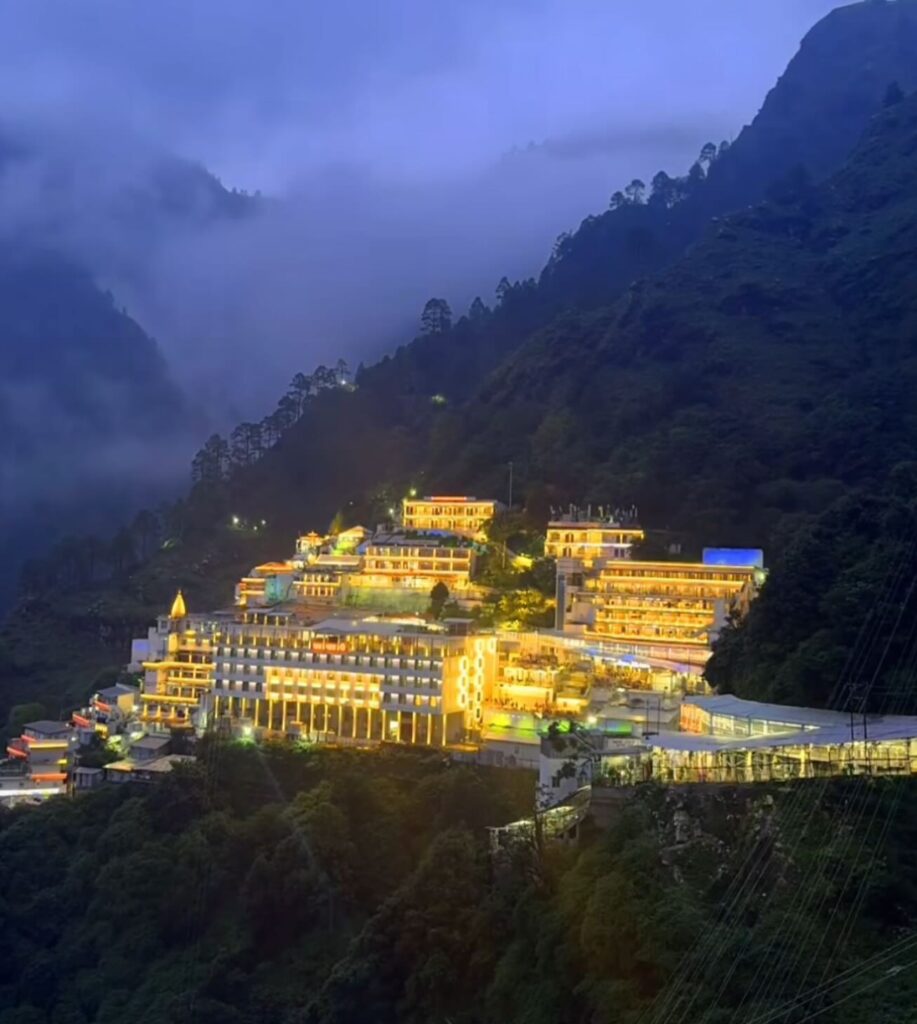
While Vaishno Devi is open throughout the year, not all seasons are child‑friendly. Weather, crowds, and festival rush can transform the experience.
Season‑wise breakdown
- March–April (Spring): One of the best periods with pleasant temperatures. Light woolens at night, manageable crowds outside major holidays.
- May–June (Summer holidays): Hot and often crowded. Daytime heat can tire children quickly, especially on concrete slopes. Prefer early morning or late evening trekking, use caps, sunscreen, and frequent fluid breaks.
- July–September (Monsoon): Risk of slippery paths, showers, and occasional landslides on access roads. Humid, with sudden weather changes. Not ideal for very young children; check weather advisories closely.
- October–November (Autumn): Another good window post‑monsoon, with clearer skies and cooler evenings. Carry warm clothing for kids at night.
- December–February (Winter): Cold to very cold, with chances of snowfall at higher stretches. Beautiful, but consider your child’s tolerance for low temperatures. Proper layering, caps, gloves, and water‑resistant footwear are essential.
Peak periods to think twice about with small kids
- Navratri (Chaitra and Sharad): Spiritually powerful, but some of the highest footfalls. Long queues, limited resting space, and more noise can overwhelm children.
- Long weekends and major public holidays: Expect pressure on hotels, transport, and helicopter slots, plus longer waiting times everywhere.
For younger kids, a shoulder season weekday (just before or after peak months) can be the sweet spot: open services, relatively pleasant weather, and thinner crowds.
Traveling to Katra With Children
Katra is the base town for the yatra. Reaching Katra smoothly sets the tone for the rest of your journey.
By air
- Nearest airport: Jammu Airport (Satwari), about 45–50 km from Katra.
- Transfer time: Roughly 1.5–2 hours by road, depending on traffic.
- With kids: Prefer day flights so you can settle into your hotel in Katra before evening. Keep snacks, water, and a light jacket handy for the road transfer.
By train
- Destination station: Shri Mata Vaishno Devi Katra Railway Station, well‑connected to many major Indian cities.
- Advantages for families: Kids are often more comfortable on trains with space to move, sleeper berths for rest, and simpler logistics (you arrive directly in Katra).
By road
- From Jammu: Buses, shared cabs, and private taxis operate frequently.
- From nearby states: Some families drive their own car. Plan comfort breaks, and avoid night driving in bad weather.
Staying in Katra: Choosing a Child‑Friendly Base
Do not treat Katra as just a transit stop when traveling with children. One or two proper nights in Katra (before and/or after the yatra) make a big difference to everyone’s energy and mood.
What to look for in accommodation
- Clean rooms and bathrooms with reliable hot water.
- Comfortable bedding with extra blankets (mornings and nights can be cool).
- In‑house or nearby restaurant serving simple vegetarian food.
- Lift access if you have a stroller or older relatives.
- Proximity to the Yatra Registration Counter and auto/tempo stand for Ban Ganga.
There are also shraddha bhawans and dharamshalas run by the Shrine Board and trusts, which can be budget‑friendly and family‑oriented, though they may offer fewer hotel‑style frills.
Understanding Darshan Passes and Registration
Before starting the yatra, every pilgrim must be registered. With children, aim to finish these formalities calmly to avoid last‑minute stress.
Yatra registration
- Registration is free and can be done online via the official Shrine Board website or at Yatra Registration Counters in Katra.
- Carry identity documents as required for adults; check the latest guidelines regarding documents for children.
- You will receive a Yatra Slip; keep it safely as it can be checked en route.
Darshan timing and group planning
- Try to choose a slot that matches your child’s routine as closely as possible (for example, avoid their usual nap time if possible).
- Travel in a group if you can. With more adults, one person can take a child to restrooms or for a break while others keep your spot in informal queues where permitted.
Requirements and processes can change, so check the official Shri Mata Vaishno Devi Shrine Board channels for the latest updates before you travel.
Transport Options on the Yatra Route With Kids
The good news for families is that you do not have to walk the entire distance. Multiple transport options exist between Katra, Sanjichhat, and Bhawan.
1. Helicopter services
- Route: Katra to Sanjichhat (near Bhawan) and back.
- Flight time: Around 8–10 minutes one way.
- Best for: Very young children, elderly relatives, or anyone with limited stamina.
- Important: Tickets are limited and often booked well in advance, especially during peak seasons.
With children: Helicopter reduces the steepest part of the yatra, but you still walk approximately 2–3 km from Sanjichhat to Bhawan. Consider this while planning footwear, clothing, and timing.
2. Ponies, palkis, and pithus
- Ponies: Commonly used for riding up and/or down, especially from Katra/Ban Ganga to Bhawan.
- Palkis (palanquins): Carried by porters, suitable for those who cannot sit on ponies, including some children and elderly pilgrims.
- Pithus: Individual porters who carry luggage or sometimes small children on their backs.
Child safety considerations:
- Very young kids may find pony rides uncomfortable or scary. Always insist on a slow pace.
- Negotiate clearly and agree on the destination and cost before starting. Pricing is approximate and may vary.
- Make sure your child is holding onto the saddle or support properly. An adult should walk alongside if possible.
- For pithus carrying children, ensure the child is secure, responsive, and comfortable with the arrangement.
3. Battery cars and other mechanised options
On certain stretches near Bhawan, battery‑operated vehicles may be available (subject to operational policies). These are usually easier with children and elderly pilgrims, especially compared to jostling with pony traffic.
Tip: If your schedule allows, a mixed strategy works well: walk the gentler Tarakote section for fresh air and flexibility, then use ponies or battery cars closer to Bhawan if kids are tired.
What to Pack for Vaishno Devi With Children
Packing smart is one of the most important parts of planning a Vaishno Devi yatra with children. You want to carry everything essential without overburdening yourself.
Clothing and footwear
- Comfortable, breathable layers for children (cotton inside, warm layer outside if needed).
- Good walking shoes or sports sandals with a firm grip; avoid brand‑new shoes that may cause blisters.
- Extra pair of socks; in colder months, woolen socks.
- Light jacket or fleece even in summer (nights and early mornings can be cool higher up).
- Rain jacket or compact poncho in monsoon or uncertain weather.
- Cap or hat to protect from sun; woolen cap/gloves in winter.
Health and hygiene kit
- Any prescribed medicines for your child, with doctor’s note if helpful.
- Basic pediatric medicines: fever reducer, oral rehydration salts, anti‑vomiting medicine as per your doctor’s advice.
- Small first‑aid kit: band‑aids, antiseptic cream, cotton, and gauze.
- Hand sanitizer, disinfectant wipes, and tissues.
- Mask(s), if you prefer extra protection in crowds or dusty stretches.
Snacks and hydration
- Reusable water bottles for each family member (many stalls offer drinking water; refill regularly).
- Light, dry snacks children like: biscuits, khakra, dry fruits, energy bars, roasted chana.
- Avoid heavy, oily food while trekking; it can cause nausea and fatigue.
Comfort and entertainment
- A small, lightweight blanket or shawl for resting periods.
- Minimal toys or a small book to keep younger children occupied during breaks and queues.
- Power bank to keep your phone charged for coordination and emergencies.
- Plastic covers or dry bags to protect electronics and important documents from rain.
Keep the trekking backpack light. Distribute non‑essentials between hotel luggage and minimal day‑packs.
Health, Safety, and Comfort Tips for Children
Mountain pilgrimages can be a shock to a child’s system if they are used to flat, urban environments. Simple precautions go a long way.
Hydration and food
- Encourage children to drink small amounts of water regularly rather than large gulps at once.
- Offer light snacks every 1–2 hours to maintain energy.
- Avoid trying new or very spicy foods during the yatra; stick to simple, familiar vegetarian dishes.
Pace and fatigue
- Do not set a fixed time target when kids are with you. Let the slowest member define the pace.
- Take short breaks in less crowded spots away from pony traffic and loudspeakers when possible.
- Watch for early signs of exhaustion: irritability, unusual quietness, headache, or complaining of leg pain. That’s your cue for a longer rest or switching to a pony/palki.
Weather and altitude
- Although Vaishno Devi is not extremely high altitude, children can still react to rapid exertion and cooler winds.
- Keep them layered appropriately; do not let sweat‑soaked clothes sit cold on their bodies in windy conditions.
- In winter, check their hands and feet for excessive cold; warm them frequently.
Lost child precautions
- Before starting, show your child what you are wearing and agree on a meeting idea: find a police officer/shrine board official or stay where they are.
- Place a small ID card in their pocket with names, phone numbers, and hotel details.
- Dress them in easily recognizable colors; take a quick photo of them that morning.
Toilet breaks and hygiene
- Public toilets are available on the route but may be crowded or not always to everyone’s standards.
- Carry toilet paper, wipes, and sanitizer; help younger children with hygiene.
- Encourage kids to use facilities whenever you find reasonably clean ones; do not wait until it’s urgent.
Suggested Itinerary for Families
Every family is different, but this sample plan balances darshan with rest for children.
Day 1: Arrival in Katra
- Arrive by afternoon, check into your hotel.
- Complete Yatra Registration if not done online.
- Early dinner; let children rest, acclimatize, and explore the nearby market casually.
Day 2: Ascent and Darshan
- Start from Katra towards Ban Ganga / Tarakote in the late afternoon or early evening (depending on weather and your child’s routine).
- Walk at an easy pace, using ponies/battery cars as needed.
- Reach Bhawan by late night or very early morning; use cloakroom facilities to deposit luggage and shoes.
- Have darshan when your number is called/your slot opens. Keep children close and calm in queues.
Day 3: Return and rest
- After darshan and some rest near Bhawan, start your descent in daylight if possible.
- Use ponies or mechanised options if kids are very tired.
- Reach Katra, have a proper meal and good sleep. Depart the next day instead of rushing immediately.
Families using helicopter services may compress this plan, but with children, leaving some buffer time is helpful in case of weather‑related delays or unexpected fatigue.
Costs and Budgeting for a Family Yatra
Costs can vary widely based on travel mode, accommodation type, and how many paid services you use on the route. Pricing is approximate and may vary.
Main cost components
- Travel to Jammu/Katra: Train/flight or fuel and tolls for self‑drive.
- Hotel in Katra: Ranges from budget lodges and dharamshalas to mid‑range and higher‑end hotels.
- Food: Mostly vegetarian; simple thalis and snacks are generally affordable, but costs add up over days and with multiple children.
- Helicopter tickets: Higher per‑person cost; factor this in for all family members if planning a round trip.
- Ponies, palkis, pithus, and battery cars: Rates differ by distance, season, and demand.
- Miscellaneous: Warm clothing bought locally, rain gear, small toys, prasad, and offerings.
To manage costs with children, decide in advance where you will be flexible (e.g., paying for a pony when they are exhausted) versus where you will hold a line (e.g., limited shopping from roadside stalls).
Helping Children Connect With the Spiritual Side
For many parents, the yatra is not just about reaching the Bhawan; it’s about introducing children to faith, gratitude, and resilience.
Before the trip
- Tell simple stories about Mata Vaishno Devi in a language your child understands.
- Explain the idea of a pilgrimage: walking with devotion, helping others, and staying patient.
- Set realistic expectations: “There will be a lot of walking and people, but we are going together as a family.”
During the yatra
- Involve children in small rituals: lighting a diya where allowed, folding hands, or repeating a simple mantra.
- Explain why you are standing in queues and why everyone is calm even when tired.
- Use the journey to talk about kindness—sharing water, giving way to elderly pilgrims, and not littering.
After returning
- Talk about what they enjoyed most: the views, the night sky, the langar, or darshan.
- Frame difficulties (tired legs, cold, waiting) as things they handled bravely.
Common Mistakes Families Make—And How to Avoid Them
Many stressful situations on the Vaishno Devi yatra can be prevented with small adjustments.
Starting too late or too early for your child
Very late starts mean children may be at their crankiest when you need them to be calm. Extremely early departures can interrupt their sleep and appetite. Match the start time to your child’s natural energy peaks as far as possible.
Underestimating the trek
Even fit adults can feel the climb. Assuming that a child will “manage somehow” often leads to friction mid‑way. It is better to plan conservatively and be pleasantly surprised than to struggle and rush.
Overpacking or carrying the wrong things
Bulky bags slow you down and make it harder to maintain balance on inclines. Bring only essentials in one or two small backpacks; leave spare clothes and extras at the hotel cloakroom.
Ignoring footwear
Slippers, heels, and brand‑new shoes are all poor choices. Uncomfortable or slippery footwear is one of the most common and easily avoidable problems for kids and adults alike.
Pushing children too hard
Remember: the goal is darshan with dignity and safety, not competing on speed or distance. It is perfectly acceptable, and often wise, to use a pony or palki for part of the route when children show genuine fatigue.
Special Considerations: Babies, Toddlers, and Teens
Traveling with babies
- Use a front or back baby carrier that you are already comfortable with, rather than experimenting for the first time on the trek.
- Plan extra time for feeding, diaper changes, and soothing breaks away from crowds when possible.
- Be honest about the weather; newborns and very young babies are more vulnerable to cold, heat, and infections.
Traveling with toddlers
- They may insist on walking at their own pace—build buffer time for slow progress.
- Keep small, safe snacks handy to stabilize mood (and blood sugar).
- Use simple milestone goals: “Let’s reach that next shelter and rest.”
Traveling with teenagers
- Involve them in navigation and timekeeping; it increases their sense of agency.
- Discuss digital limits. Network can be patchy, but this is a chance for some offline family time.
- Encourage them to help younger siblings or cousins, turning the yatra into a shared responsibility.
Who a Vaishno Devi Yatra With Children Is Best For
A family yatra to Vaishno Devi can be deeply rewarding for:
- Parents who are comfortable with moderate physical exertion and flexible with children’s needs.
- Families who value spiritual experiences and shared challenges over strict comfort.
- Children who are reasonably healthy, curious, and able to follow basic safety instructions.
If anyone in your group has very limited mobility, serious health issues, or extremely low tolerance for crowds, consult your doctor carefully and consider whether the timing is right. There is no “right age” for darshan; it is okay to wait until children are older.
FAQ: Vaishno Devi Yatra With Children
What is the minimum age for children to visit Vaishno Devi?
There is no official minimum age; even infants are brought for darshan. However, from a practical standpoint, many parents find it easier once children are at least 4–5 years old, when they can walk some distance and follow instructions.
Is the Vaishno Devi trek safe for kids?
The route is well‑maintained and heavily used, but it is still a mountain trek with inclines, crowds, and ponies sharing the path. With good footwear, supervision, regular breaks, and sensible timing, most healthy children manage safely.
Can I take a stroller or pram on the Vaishno Devi route?
Strollers are not practical on most of the route due to slopes, crowds, and ponies. A comfortable baby carrier or using pithus/palkis where necessary is usually far more manageable than pushing a pram uphill.
Are there medical facilities available on the way?
Yes, there are basic medical facilities, first‑aid posts, and help points on the yatra route and near Bhawan. Still, you should carry essential medicines for your child because availability of specific brands or formulations is not guaranteed.
What kind of food is available for children on the trek?
You’ll find vegetarian snacks, tea, simple meals, and packaged items at stalls along the route. Options include parathas, rice, dal, noodles, and biscuits. Carry some of your child’s preferred light snacks to avoid dependence on only what’s available there.
Is helicopter travel safe for small children?
Helicopter services operate under strict safety regulations, but final suitability depends on your child’s health and temperament. Many families use them without issues. If your child has ear problems, respiratory issues, or is very anxious about flying, discuss it with your doctor beforehand.
How do I protect my child from cold at Vaishno Devi?
Dress them in layers: a breathable inner layer, a warm mid‑layer, and a wind‑resistant outer layer in colder months. Don’t forget head, ears, hands, and feet—a cap, gloves, and warm socks are crucial. Keep an extra warm layer dry in your bag, and change damp clothes promptly.
Are there cloakrooms and changing areas suitable for families?
Yes, the Shrine Board provides cloakroom facilities at Katra and Bhawan where you can deposit luggage and shoes. While not designed as full family changing rooms, many parents manage changing children’s clothes there or in nearby washroom areas with some planning.
Can we visit Bhairon Baba temple with children?
Yes, many families do. Traditionally, the yatra was considered complete after visiting Bhairon Baba. However, the climb from Bhawan is steeper. With small children or elderly relatives, you may use mechanised options like ropeway where available or skip this part if everyone is too tired.
How many days should I plan for Vaishno Devi with kids?
At minimum, plan 2 nights in Katra: one before the yatra and one after. If you are coming from far or using slower travel modes, 3–4 nights provide a much more relaxed pace for children and reduce pressure to rush through darshan.
Final Thoughts
Walking to Vaishno Devi with children is both a logistical challenge and a rare opportunity. It asks for patience, planning, and flexibility—but it also offers moments of quiet connection, shared effort, and the simple joy of reaching the Bhawan together.
If you respect the mountain, listen to your children’s limits, and plan with a little extra time and care, your family yatra can become one of those stories your children remember and retell for years—in their own words, and in their own faith.