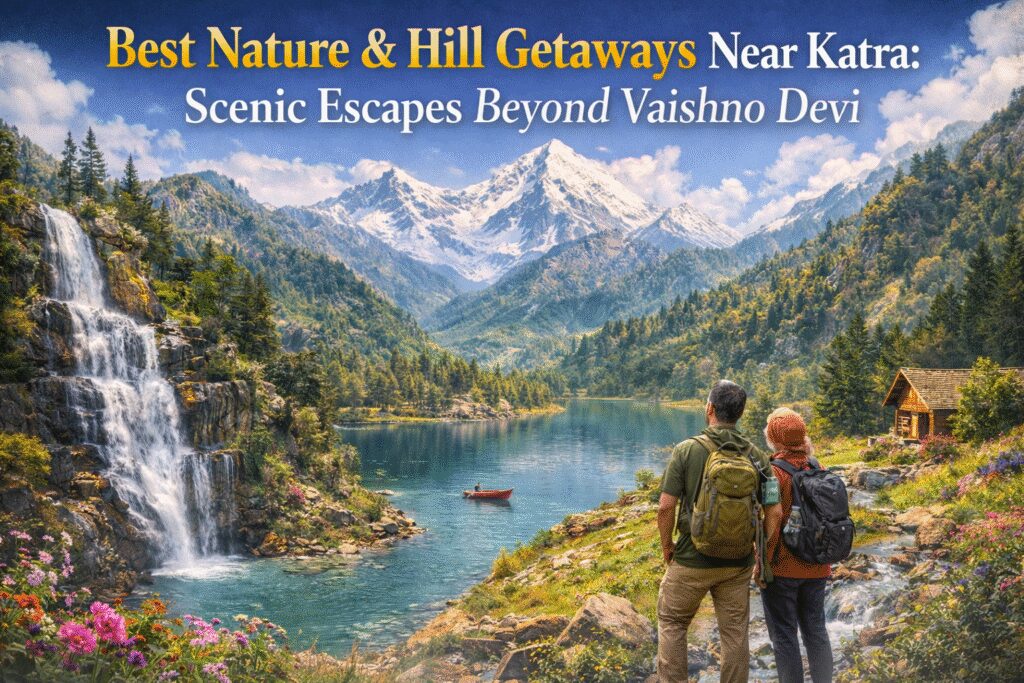
Best Nature & Hill Getaways Near Katra: Scenic Escapes Beyond Vaishno Devi
Nestled at the foothills of the Trikuta Mountains, Katra is best known as the base for the revered Vaishno Devi pilgrimage. But once the yatra is complete, many travelers find themselves searching for quiet hills, green valleys, and slower days to unwind. The good news: within a few hours of Katra lies some of Jammu & Kashmir’s most refreshing nature and hill escapes.
This guide brings together the best nature and hill getaways near Katra, with practical details on distance, travel time, what to expect, and who each place is best suited for. Whether you’re a family looking for an easy retreat, a couple seeking misty hills, or a group of friends chasing viewpoints and winding drives, you’ll find options that fit both your time and comfort level.
Quick Overview: Hill & Nature Escapes Around Katra
Katra is well-connected by road to several hill destinations in the Jammu region and, with a bit more travel, to the classic Kashmir valley hill stations. Most nearby getaways fall into three broad zones:
- Very close (within ~2 hours): Patnitop, Sanasar, Jhajjar Kotli, Shiv Khori valley
- Moderate distance (4–6 hours): Bhaderwah, Mansar & Surinsar lakes, Kud
- Longer escapes (full-day or multi-day travel): Srinagar & Gulmarg, Pahalgam, Sonamarg
If you have only one extra day after your Vaishno Devi darshan, focus on Patnitop, Sanasar, Jhajjar Kotli or Mansar Lake. With 3–5 days in hand, combine Katra with Patnitop and either Bhaderwah or the Kashmir valley.
Patnitop: The Classic Hill Station Near Katra
Distance from Katra: Approx. 80–85 km
Travel time: 2.5–3.5 hours by road (depending on traffic and weather)
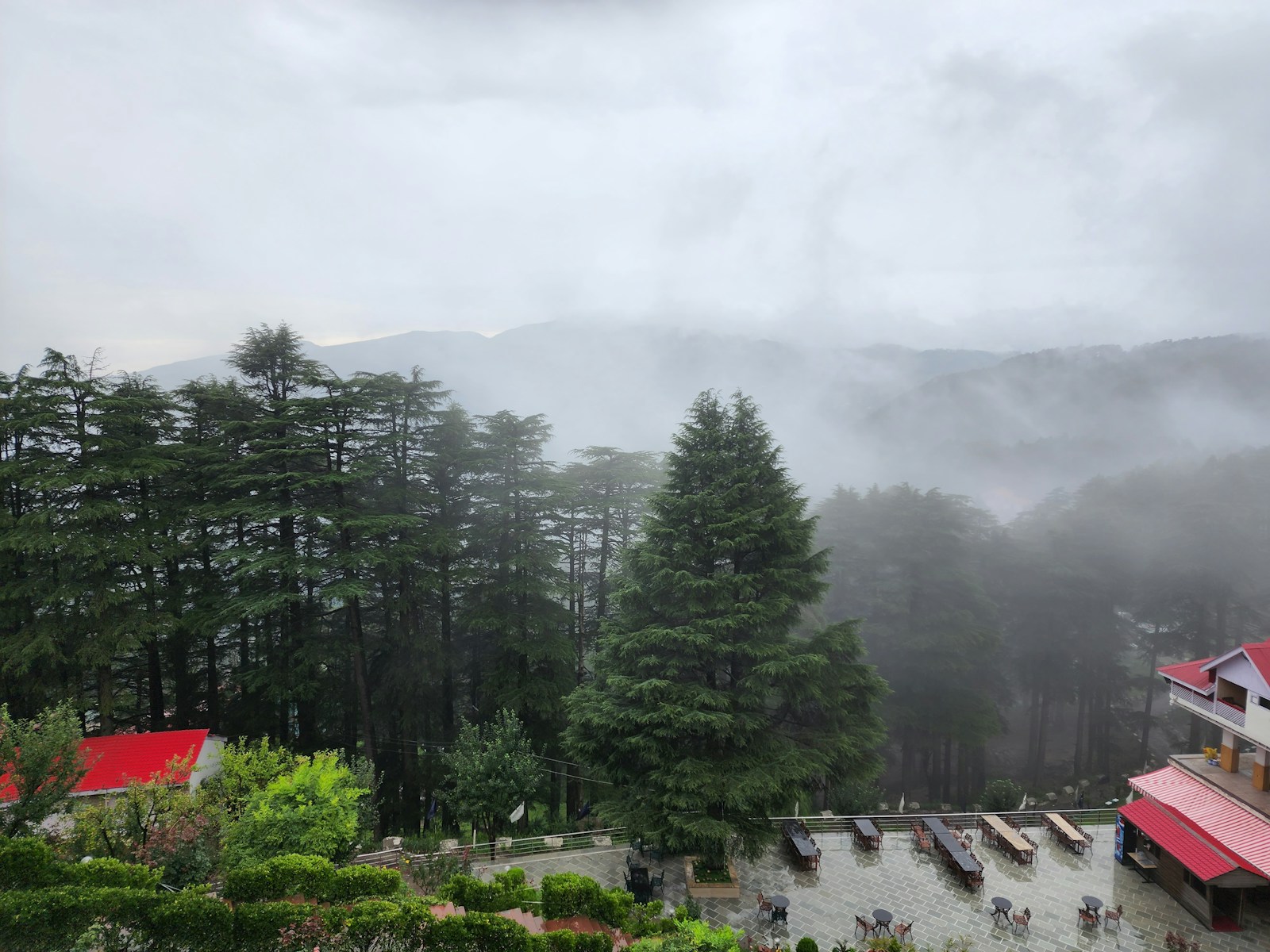
Patnitop (also written Patni Top) is the most popular hill station near Katra and an easy extension to the Vaishno Devi yatra. Perched at around 2,024 metres, it offers pine forests, walking trails, and open meadows rather than a crowded mall-road experience.
What to Expect in Patnitop
- Cool climate: Even in peak summer (May–June), Patnitop is significantly cooler than Katra, making it ideal for a post-yatra cooldown.
- Gentle walks: Forested paths, small temples, and viewpoints are spaced out enough for easy strolls.
- Family-friendly vibe: Simple eateries, moderate altitude, and accessible roads make it comfortable for families and older travellers.
Top Things to Do in Patnitop

- Walk the Pine Forest Trails: Short, level walks through the cedar and pine forests are perfect for stretching your legs after a long pilgrimage.
- Visit Nathatop: A short drive from Patnitop, Nathatop offers wide-open views and, in winter, a good chance of snow. It’s popular for light snow play and photography.
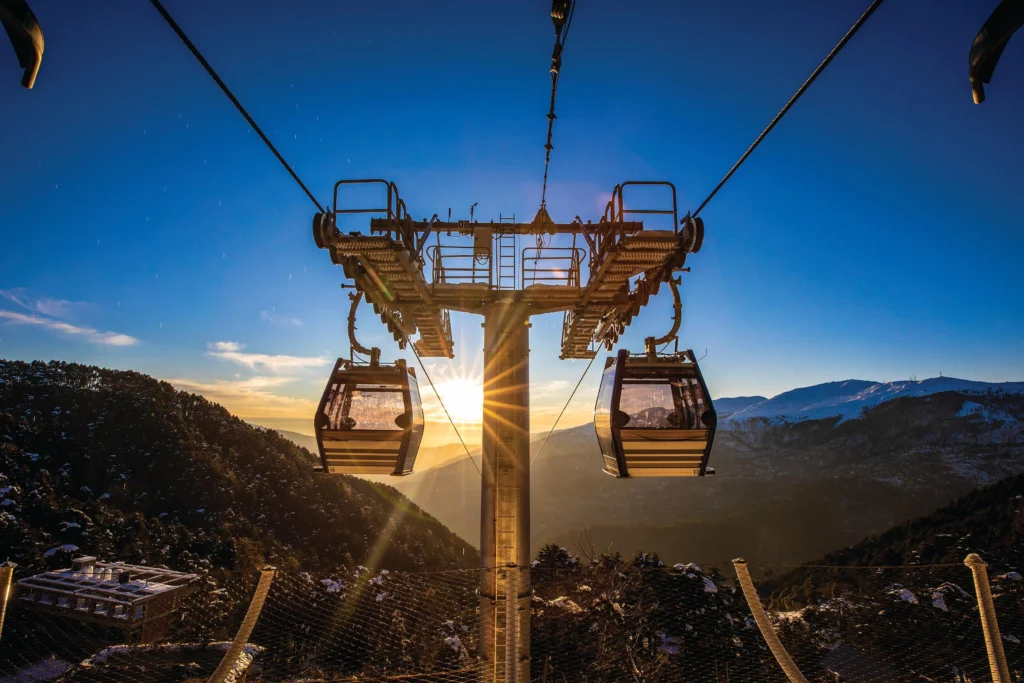
- Skyview Patnitop (Gondola & Adventure Activities): A modern gondola lift connects Sanget valley to Patnitop, with views of the Chenab valley. The adventure park may offer ziplining, tubing and other seasonal activities. Availability can vary, so check operating status in advance.
- Sunrise & Sunset Points: Several roadside viewpoints near Patnitop offer panoramic views of the Pir Panjal range on clear days.
Best Time to Visit Patnitop
- Summer (April–June): Pleasant days, cool evenings. Ideal for families.
- Monsoon (July–September): Green landscapes, but intermittent rain and occasional landslides can affect travel.
- Autumn (October–November): Clear skies, crisp air, and quieter than summer.
- Winter (December–February): Chance of snowfall; carry proper winter gear and be prepared for road closures or delays.
Who Patnitop Is Best For
- Families: Smooth roads, moderate altitude, and plenty of basic accommodation options.
- Couples: Quiet forests, scenic drives, and relatively peaceful, especially on weekdays.
- Short-trip travellers: Ideal for a 1–2 day extension from Katra.
Approximate Costs in Patnitop
Pricing is approximate and may vary.
- Budget stays: Basic guesthouses and small hotels can start from low–mid budget range per night.
- Mid-range hotels: Comfortable family hotels and resorts typically fall in the moderate bracket.
- Meals: Simple vegetarian meals are widely available at reasonable prices, with some hotels offering in-house dining.
- Gondola / activities: Adventure activities are charged separately; check updated rates locally or online before planning.
Sanasar: Meadows, Lake & Quiet Forests
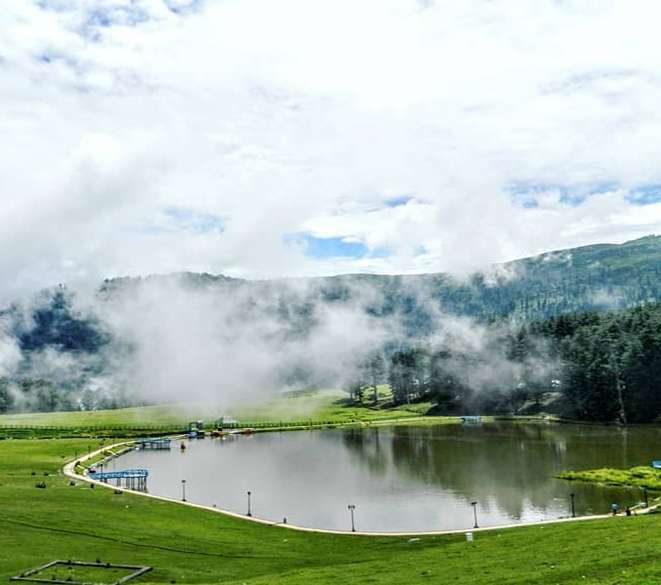

Distance from Katra: Approx. 110–120 km
Travel time: 3.5–4.5 hours by road (usually via Patnitop)
Sanasar is a quieter, more nature-heavy escape compared to Patnitop. Surrounded by conifer forests and open meadows, it’s often described as a mini alpine valley. It is best suited to travellers who prefer calm surroundings, light adventure and wide open spaces.
Highlights of Sanasar
- Sanasar Lake: A small man-made lake where you may find paddle boats in season. The setting, more than the lake itself, is the real draw.
- Meadows & Picnic Spots: Grassy slopes ringed by forests make natural picnic areas. Carry your own snacks, as options can be limited.
- Paragliding (Seasonal): In certain seasons and when operators are active, Sanasar may offer basic tandem paragliding. Availability depends heavily on local conditions and regulations.
- Forest Walks: There are short, informal trails through the woods. Always stay on known paths and return before dark.
When to Visit Sanasar
- Late spring to autumn (April–October): Best combination of open meadows, accessible roads, and basic facilities.
- Winter: Snow is possible, but facilities may be very limited and road conditions can become challenging.
Who Sanasar Is Best For
- Nature-oriented travellers: Those who prefer quiet, open spaces over busy markets.
- Small groups & couples: Good for relaxed picnics and scenic photography.
- People already visiting Patnitop: Often visited as a day trip from Patnitop rather than directly from Katra.
Practical Tips for Sanasar
- Mobile network can be patchy; download offline maps before you go.
- Carry cash, as digital payment options may not be reliable everywhere.
- Pack light snacks and drinking water, especially if travelling with children.
Jhajjar Kotli: Riverside Picnic Spot Near Katra
Distance from Katra: Approx. 15–20 km
Travel time: 30–40 minutes by road
For travellers who don’t want a long hill drive but still want to sit by clear water and greenery, Jhajjar Kotli is one of the closest nature spots. It’s located along the banks of the Jhajjar rivulet and is often used as a half-day getaway from Katra or Jammu.
What to Do at Jhajjar Kotli
- Riverside Relaxation: The rocky riverbed and clear, cool water make it a scenic place to sit, dip your feet (when safe), and unwind.
- Picnics: Families often carry packed food and use the designated picnic areas. Avoid littering; carry back all waste.
- Short Walks: Gentle walks along the river bank and basic viewpoints nearby.
Safety Considerations
- Water levels and currents can change quickly, especially in the monsoon. Avoid venturing into deep or fast-moving water.
- Supervise children closely near rocks and slippery surfaces.
- There may be basic facilities, but do not expect full-fledged resort infrastructure.
Who Jhajjar Kotli Is Best For
- Pilgrims with limited time: Ideal if you have only a few spare hours after darshan.
- Families and groups: Good for short, relaxed outings rather than overnight stays.
Mansar & Surinsar Lakes: Serene Day Trips
Distance from Katra to Mansar Lake: Approx. 80–90 km
Travel time: 2.5–3.5 hours by road
Distance between Mansar & Surinsar: Around 35–40 km
Mansar and Surinsar are picturesque lakes surrounded by gentle hills and forests. They offer a blend of nature, quiet temple visits, and easy walks, making them ideal for families and older travellers looking for a low-strain outing.
Mansar Lake Highlights
- Lakefront Pathways: Paved walkways allow for easy strolls along the water.
- Boating (Seasonal): Basic paddle or row boating may be available, typically during main tourist seasons.
- Temples & Fish Feeding: Small temples and fish in the lake add a spiritual and cultural touch.
Surinsar Lake Highlights
- Quieter Than Mansar: Fewer crowds, more suited to those who value peace over activity.
- Forest Surroundings: Green hills encircle the lake, ideal for photography and short walks.
Best Time to Visit Mansar & Surinsar
- October–March: Comfortable days, mild winter chill.
- April–June: Warmer but still manageable; avoid the hottest mid-day hours.
- Monsoon: The lakes are fuller and surroundings greener, but rain can affect travel.
Who These Lakes Are Best For
- Families with children: Easy walking terrain, boating (when available), and lake views.
- Seniors: Minimal climbing, availability of basic seating and often some food stalls.
- Travellers seeking calmer alternatives: Those who prefer a quieter day instead of busy hill markets.
Bhaderwah: The “Mini Kashmir” of Jammu Region
Distance from Katra: Approx. 180–200 km
Travel time: 6–8 hours by road (via Udhampur–Batote–Doda, route can vary)
Bhaderwah, often described as “Chhota Kashmir” or “Mini Kashmir”, is a valley town with lush meadows, forested hills, and cooler weather than the plains. It requires a longer drive than Patnitop but rewards travellers with more open landscapes and relatively less commercialisation.
Why Consider Bhaderwah
- Valleys & Meadows: Surrounding areas offer expansive meadows and pastoral landscapes.
- Cool Climate: A genuine escape from heat, especially in late spring and summer.
- Less Crowded: Compared with the main Kashmir valley resorts, Bhaderwah often feels quieter.
Key Nature Spots Around Bhaderwah
- Chinta Valley: Rolling hills and greenery, often used for picnics and short walks.
- Padri Pass: A high pass with sweeping views; accessibility is seasonal and depends on snow.
- Local Forest Trails: Guided or well-known paths offer nature walks; avoid venturing off on your own into unknown forest routes.
Best Time to Visit Bhaderwah
- April–June: Pleasant temperatures, blooming landscapes.
- September–October: Clear skies and post-monsoon greenery.
- Winter: Cold, with possible snow in higher areas; check road conditions in advance.
Who Bhaderwah Is Best For
- Travellers with 3–5 extra days: The long drive only makes sense if you can stay at least 2 nights.
- Landscape lovers: Those willing to go a bit off the typical tourist circuit in search of quieter valleys.
- Repeat visitors: Ideal if you’ve already visited the main Kashmir valley and want something different.
Longer Getaways: Gulmarg, Pahalgam & Sonamarg from Katra
For many travellers, visiting Katra and Vaishno Devi is just one part of a broader Jammu & Kashmir itinerary. If you’re comfortable with longer road journeys or domestic flights, you can combine Katra with classic Kashmir valley hill stations like Gulmarg, Pahalgam, and Sonamarg.
Travel Basics from Katra
- Katra to Srinagar by road: Approx. 250–270 km, usually 7–9 hours depending on traffic, weather, and road conditions on the Jammu–Srinagar highway.
- Via Jammu: Some travellers go Katra–Jammu (approx. 45–50 km) and then onward to Srinagar by road or flight.
- Check conditions: Mountain highways can experience landslides, traffic restrictions, and weather-related closures. Always check current advisories before planning the journey.
Gulmarg: Meadows, Slopes & Panoramic Views
Distance from Katra (via Srinagar): Approx. 320–340 km total
Best for: High meadows, cable car rides, and winter snow sports
- Gulmarg Gondola: One of the highest operating cable cars in the region, offering wide views and access to higher slopes. Operating phases and weather conditions affect access.
- Winter Snow: In season, Gulmarg is known for deep snow and skiing. Outside winter, the meadows remain a big draw.
- Who it’s for: Couples, families, and adventure seekers comfortable with popular tourist hubs and higher elevations.
Pahalgam: Rivers, Forests & Valley Walks
Distance from Katra (via Srinagar–Anantnag): Approx. 350–370 km total
Best for: River scenery, forested walks, and a relaxed pace
- Lidder River: The turquoise river is a constant companion through parts of Pahalgam, adding to the valley’s charm.
- Aru, Betaab & Chandanwari (Seasonal Access): These side valleys and viewpoints are popular day trips from Pahalgam.
- Who it’s for: Families and couples wanting nature without particularly steep treks.
Sonamarg: High Valley & Glacier Views
Distance from Katra (via Srinagar): Approx. 360–380 km total
Best for: Dramatic mountain scenery and high-altitude experiences in season
- Meadows & Streams: Sonamarg’s surroundings are typically lush in summer, with streams and high pastures.
- Seasonality: Snow can limit access in winter and early spring; many facilities operate seasonally.
- Who it’s for: Travellers with enough time who prioritise big-mountain views and cool temperatures.
How Long Do You Need?
- Katra + Brief Kashmir valley trip: 5–7 days minimum, including travel days.
- Comfortable circuit (Katra–Patnitop–Srinagar–Gulmarg/Pahalgam): 7–10 days to avoid rushing.
Suggested Short Itineraries from Katra
These sample plans show how you can weave nature and hill getaways into a visit to Katra and Vaishno Devi. Adjust based on your arrival/departure times and physical comfort.
1. One Extra Day: Quick Nature Break
- Day 1: Vaishno Devi darshan, rest in Katra.
- Day 2 (Option A): Early morning drive to Jhajjar Kotli for a riverside picnic; return to Katra / onward to Jammu.
- Day 2 (Option B): Early drive to Patnitop, walk the forest trails and viewpoints, return late evening or stay overnight if possible.
2. Weekend Extension: Katra + Patnitop
- Day 1: Vaishno Devi darshan, overnight in Katra.
- Day 2: Drive to Patnitop, check into a hotel, visit nearby viewpoints and forest trails.
- Day 3: Half-day trip to Nathatop or quick visit to Sanasar (time and road conditions permitting); return to Jammu / onward travel.
3. 4–5 Day Nature Circuit (Without Kashmir Valley)
- Day 1: Arrive Katra, rest, explore local market.
- Day 2: Vaishno Devi yatra; overnight in Katra.
- Day 3: Drive to Patnitop, check in, easy walks.
- Day 4: Visit Sanasar; evening at leisure in Patnitop.
- Day 5: Return to Jammu or continue towards Bhaderwah if you have extra time.
4. 7–10 Day Trip: Katra with Kashmir Valley
- Day 1: Arrive Katra, rest.
- Day 2: Vaishno Devi darshan; overnight in Katra.
- Day 3: Drive to Patnitop, night stay.
- Day 4: Drive to Srinagar; evening at Dal Lake.
- Day 5–6: Side trips to Gulmarg and/or Pahalgam.
- Day 7–9 (optional): Extend in Sonamarg or add rest days in Srinagar.
- Final Day: Return via Jammu or direct transport from Srinagar.
How to Travel from Katra to Nearby Hill & Nature Spots
Katra is well-linked by road, and most hill getaways are accessible by car, taxi, or a combination of buses and shared vehicles.
Common Transport Options
- Private Taxi: The most flexible, time-efficient option, especially if travelling with family. Taxis can be hired from Katra for single-day or multi-day circuits.
- Self-Drive: Possible if you’re experienced with hilly roads. Be cautious in monsoon and winter, keep fuel tank reasonably full, and respect local driving norms.
- Local Buses & Shared Cabs: More economical, but schedules can be limited and connections may involve changes in Jammu or Udhampur.
Travel Time Considerations
- Mountain roads can be slower than they appear on maps; allow buffer time.
- Check for ongoing construction, landslides, or traffic regulations on the Jammu–Srinagar highway if heading towards Patnitop or beyond.
- Start early in the day to avoid night driving in hilly terrain.
Safety & Practical Tips for Nature Trips from Katra
Hill and nature getaways around Katra are generally welcoming to visitors, but planning with a few practical points in mind will make your trip smoother.
Health & Weather
- Altitude: Most nearby spots like Patnitop and Sanasar are at moderate altitude. People with known respiratory or heart issues should pace themselves and consult a doctor before travel if unsure.
- Temperature Swings: Even in summer, evenings can be cool. Carry a light jacket or warm layer.
- Hydration & Sun Protection: Use sunscreen and drink water regularly, especially on open meadows and longer walks.
Road & Seasonal Conditions
- Monsoon: Increased risk of landslides on hilly routes. Keep buffer days if travelling in July–September.
- Winter: Snow can block higher passes and cause delays. Check local advisories before setting out.
- Night Travel: Minimise night driving on hill roads; visibility and response times are reduced.
Local Etiquette & Environment
- Respect Religious Sites: Many lakes, forests, and hills have associated shrines. Dress modestly and follow local customs.
- No Littering: Carry a small trash bag for wrappers and bottles; most nature spots have limited waste management.
- Wildlife Awareness: Do not feed wild animals or stray dogs. Stay on marked or well-used trails.
Money & Connectivity
- Cash: Keep some cash for small shops, parking fees and local snacks, especially in smaller hill villages.
- Network: Mobile coverage can be patchy in deep valleys and forested areas; inform someone of your plans if going off the main routes.
- Bookings: In peak summer and around major holidays, pre-book stays in popular spots like Patnitop.
Choosing the Right Getaway Near Katra
Different hill and nature spots around Katra suit different kinds of travellers. A quick comparison can help narrow your shortlist.
If You Have Only 1 Day After Darshan
- Jhajjar Kotli: For a quick riverside break close to Katra.
- Patnitop (fast-paced): For a taste of hill station weather and forest walks.
If You Have a Weekend
- Patnitop + Sanasar: Balanced mix of hills, forests, meadows, and light activities.
- Mansar Lake: Alternative if you prefer lake scenery and gentler terrain.
If You’re Travelling with Seniors or Young Children
- Mansar / Surinsar Lakes: Minimal walking difficulty, lake views, and boat rides in season.
- Central Patnitop: Choose accommodation close to main viewpoints to limit walking.
If You Want Less-Crowded Nature
- Sanasar: For quiet meadows and forest surroundings.
- Bhaderwah: For a more immersive valley experience if you can spare several days.
If You Want Iconic Mountain Landscapes
- Gulmarg, Pahalgam, Sonamarg: Best combined with Katra on a longer trip, offering classic Himalayan scenery.
Common Planning Mistakes to Avoid
- Underestimating Travel Time: Mountain routes are slower than plains highways. Avoid squeezing too many places into a short window.
- Not Accounting for Recovery After Yatra: The Vaishno Devi trek can be tiring. Consider at least one easy day before tackling longer hill journeys.
- Ignoring Weather Windows: Check the season and recent weather for Patnitop, Bhaderwah, and Kashmir valley destinations before locking plans.
- Expecting Big City Facilities Everywhere: Smaller hill and nature spots can have limited restaurant options and basic stays. Manage expectations and plan ahead for essentials.
- Skipping Advance Bookings in Peak Season: Long weekends and school vacations can make Patnitop and the Kashmir valley very busy; book stays early.
FAQs: Nature & Hill Getaways Near Katra
1. What is the nearest hill station to Katra?
Patnitop is the most popular and accessible hill station near Katra. It is roughly 80–85 km away and usually takes about 2.5–3.5 hours by road. Jhajjar Kotli is closer but is more of a riverside picnic spot than a hill station.
2. Can I visit Patnitop as a day trip from Katra?
Yes, Patnitop can be visited as a long day trip from Katra if you start early. You can spend a few hours exploring the viewpoints and forests and return by evening. However, staying one night allows a more relaxed experience, especially after the Vaishno Devi yatra.
3. Which place is better after Vaishno Devi: Patnitop or Sanasar?
For most travellers, Patnitop is the better first choice because it has more accommodation, easier access, and a broader range of facilities. Sanasar works well as a quieter side trip from Patnitop if you have extra time and prefer meadows and fewer crowds.
4. Is there any lake destination near Katra?
Yes, Mansar and Surinsar lakes are popular nature getaways within a few hours’ drive of Katra. They offer lakefront walks, occasional boating, and a calmer ambience compared to busy hill towns.
5. How many days should I plan for Katra and nearby hill stations?
If you only want a short break, 3–4 days are enough for Katra, Vaishno Devi, and a quick visit to Patnitop or Jhajjar Kotli. For a more leisurely trip including Patnitop, Sanasar, and perhaps a lake like Mansar, 5–6 days are more comfortable.
6. Are the roads from Katra to Patnitop and beyond safe?
The main routes are widely used, but like most mountain roads, they require cautious driving. Conditions can change due to weather, construction, or landslides. Travel in daylight, watch for updates on the Jammu–Srinagar highway, and consider hiring a local driver if you’re not confident on hill roads.
7. Can I combine Katra with Gulmarg or Pahalgam in one trip?
Yes, many travellers combine Katra and the Kashmir valley within a single itinerary. You’ll need at least 5–7 days to do this comfortably, including travel to Srinagar and side trips to Gulmarg or Pahalgam. Account for possible highway delays when planning connections.
8. Is there snowfall near Katra in winter?
Katra itself rarely experiences significant snowfall. For snow experiences, Patnitop and nearby higher spots like Nathatop are better options in winter, provided the roads are open. Always check local conditions and carry proper winter clothing.
9. Are these nature spots suitable for elderly travellers?
Destinations like Patnitop town area, Mansar Lake, and Surinsar Lake are generally suitable for elderly travellers due to easier terrain and basic facilities. Steeper hikes and remote meadows may be challenging, so it’s best to choose locations with limited walking and to plan for frequent rest stops.
10. Do I need special permits to visit these places from Katra?
For the destinations discussed here—such as Patnitop, Sanasar, Jhajjar Kotli, Mansar, Surinsar, Bhaderwah, and the main Kashmir valley hill stations—visitors typically do not require special tourist permits under normal conditions. However, it’s wise to carry valid ID and stay updated on any regional advisories or temporary restrictions.